Main Takeaways
Tourism as dignified partnership: Responsible travel supports recovery when it centres local agency – not pity – prioritising community-led initiatives over performative “help.”
Spend intentionally: Direct your rupees to family-run guesthouses, village eateries, and artisan cooperatives; this keeps 7x more revenue within affected communities than international chains.
Recovery isn’t linear: Some regions have reopened fully; others need time. Work with ethical operators who understand hyperlocal readiness and respect community boundaries.
Presence > spectacle: Avoid photographing trauma without consent. Focus your lens – and your narrative – on resilience, not ruin.
Extend your impact: Longer stays foster deeper connections and more meaningful economic contribution than rushed itineraries.
Transformation is reciprocal: The most profound recovery journeys change the traveller – cultivating humility, redefining resilience, and restoring faith in our shared humanity.
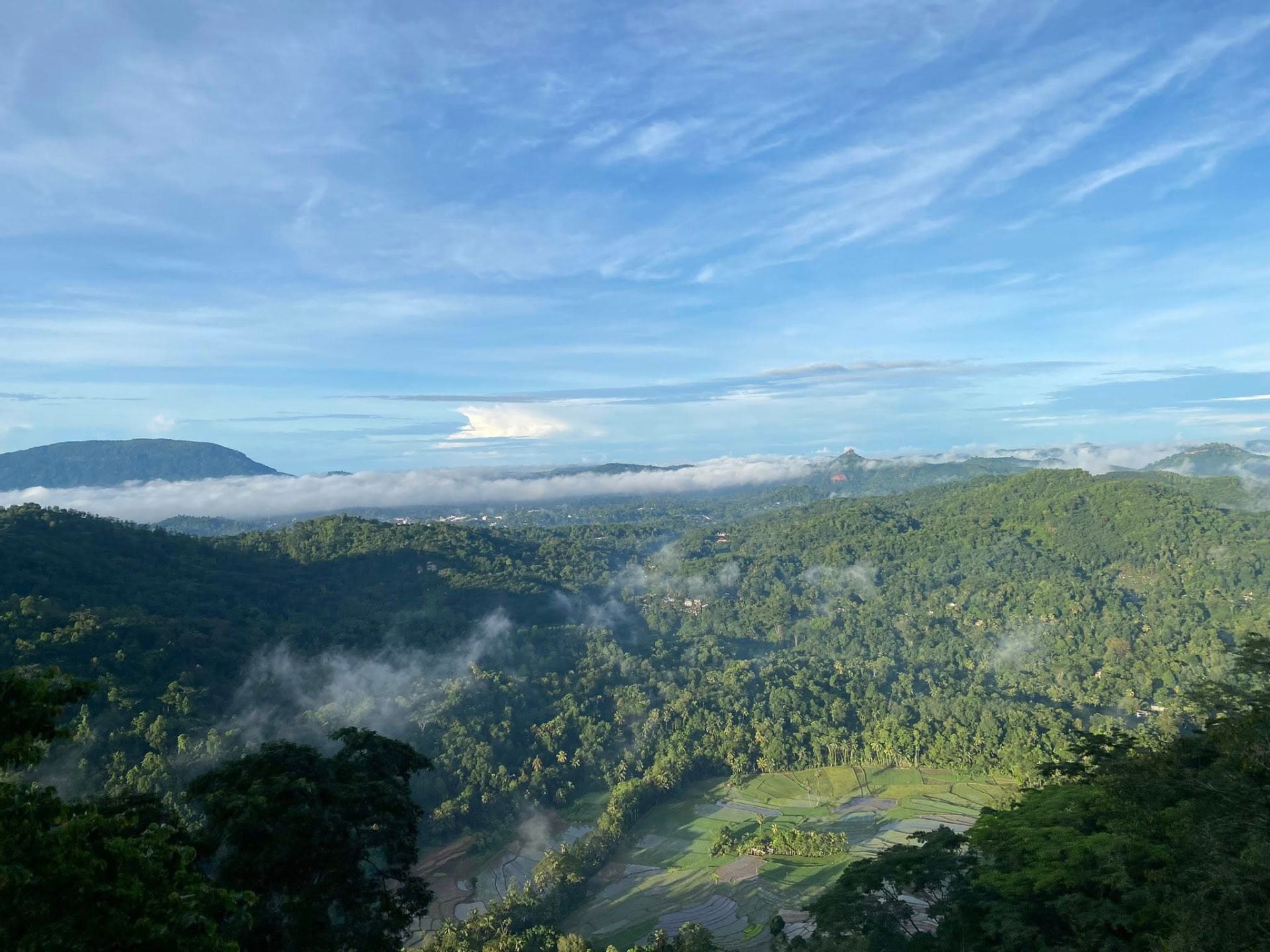
The first thing you notice returning to Ella after Cyclone Ditwah isn’t the missing railway bridge or the scarred hillsides. It’s the smell of wet earth and new timber. The second thing you notice is the woman selling kottu by the station – not because her stall survived, but because she rebuilt it herself, using salvaged wood and stubborn grace. She doesn’t ask for pity. She offers you a plate of steaming roti with a smile that says: We are still here. Sit. Eat. Stay awhile.
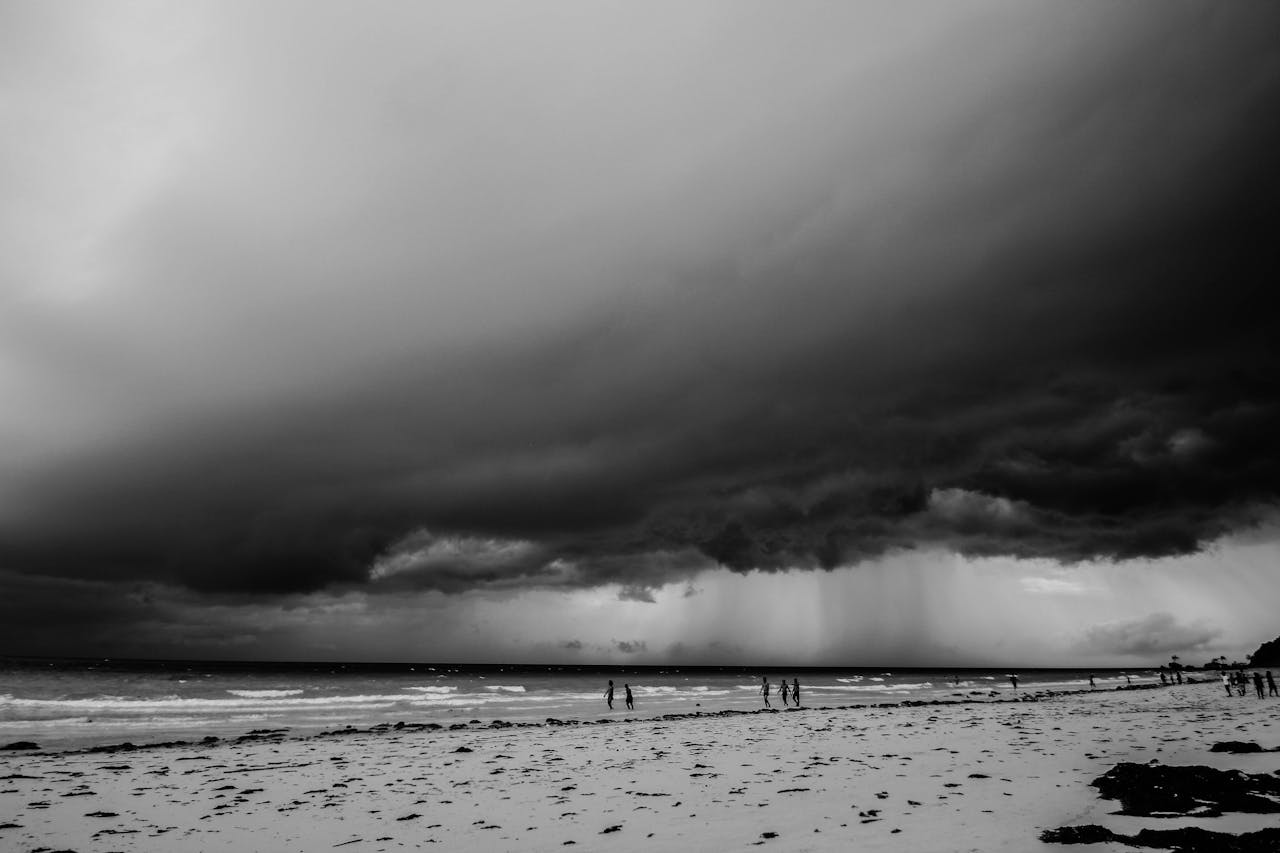
Cyclone Ditwah made landfall on Sri Lanka’s eastern coast on 28 November 2025, triggering the worst flooding the island has seen in decades. Over two million people were affected; entire villages in the hill country were reshaped by landslides (reliefweb.int).
The statistics are staggering – $4.1 billion in estimated damages (worldbank.org).
But numbers can’t capture what was truly lost: the fisherman’s boat in Trincomalee, the tea plucker’s home in Nuwara Eliya, the little boy’s school books washed away in a Kegalle flood.
Yet here’s what the headlines often miss: recovery in Sri Lanka has never been a passive waiting game. It’s a daily act of reweaving – community by community, hand by hand. And responsible tourism, when done with humility and intention, can walk beside this reweaving without trampling it.
Beyond the Spectacle of Scars
Let’s be clear: this isn’t about “disaster tourism.” No one should visit Sri Lanka to gawk at broken bridges or photograph displaced families. That’s extraction dressed as empathy. Real recovery tourism operates on a different principle: presence over pity.
When you choose a family-run guesthouse in Passikudah instead of an international chain, your stay directly funds a roof being repaired. When you hire a local guide in the Central Highlands – whose own home was damaged – you’re not just getting insider knowledge of hidden waterfalls; you’re contributing to school fees for his children. Tourism becomes transactional only when we forget that every booking is a human connection.
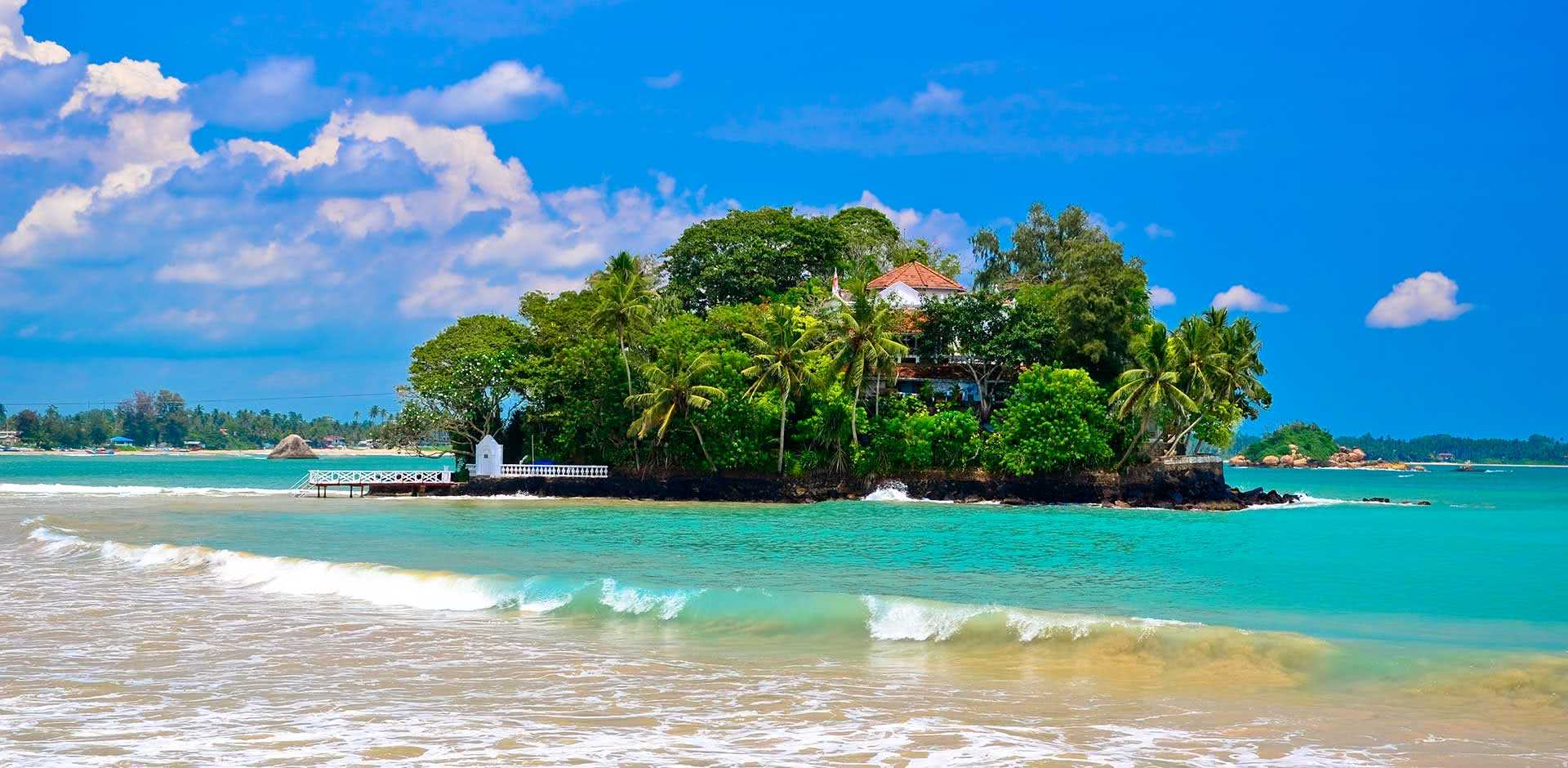
Sri Lanka’s tourism authorities have deliberately reopened most destinations not to pretend the cyclone didn’t happen, but to signal that life – and livelihoods – continue. The beaches of the south remain pristine; the cultural triangle stands resilient. But the most meaningful journeys now include detours: a morning spent helping replant a community garden in Badulla, an afternoon learning how a village cooperative in Batticaloa is weaving new baskets from salvaged materials. These aren’t “voluntourism” checkboxes. They’re quiet acknowledgments that we travel not as saviours, but as witnesses – and sometimes, as willing hands.
The Ethical Compass for Recovery Travel
How do you visit responsibly when landscapes are still healing? Start with these principles:
Listen before you arrive. Many communities welcome visitors; others need space. Work with operators who maintain genuine local relationships – not those parachuting in with “recovery packages” they designed in a Colombo boardroom. The right partners know which villages are ready for guests and which needs more time.
Spend locally, always. That extra rupee spent at the village kade (shop) rather than a resort supermarket stays in the community seven times longer (srilankatravelnews.wordpress.com).
Eat at family restaurants. Buy handicrafts directly from makers. These micro-transactions compound into macro-recovery.
Carry dignity, not cameras. Never photograph displaced persons or damaged homes without explicit consent. The cyclone’s aftermath isn’t content – it’s someone’s lived reality. If you feel compelled to share your experience, focus on resilience: the monk distributing meals at a temple shelter, the children laughing as they rebuild a school wall.
Extend your stay. A three-day whirlwind tour barely skims the surface. Seven days allows you to move beyond transactional interactions – to share a meal, learn a phrase in Sinhala or Tamil, understand how a community defines its own recovery.
The Transformation Goes Both Ways
Here’s the quiet truth about recovery travel: it transforms the traveller as much as it supports the host. Sitting with a fisherman in Arugam Bay as he mends his nets – nets he’ll use tomorrow to feed his family – you confront your own relationship with resilience. You realise recovery isn’t a destination. It’s a practice. A daily choosing to begin again.
This is the Sri Lanka that exists beyond the guidebooks. Not the one of pristine beaches untouched by climate reality, but the one of human grit meeting grace. The one where transformation isn’t found in luxury resorts, but in the shared silence between strangers rebuilding a wall together.
Your visit won’t single-handedly rebuild a village. But multiplied across thousands of conscious travellers, it becomes a steady current of support – more reliable than aid headlines, more dignified than donations alone. It says: We see your strength. We honour your pace. And we choose to walk beside you.
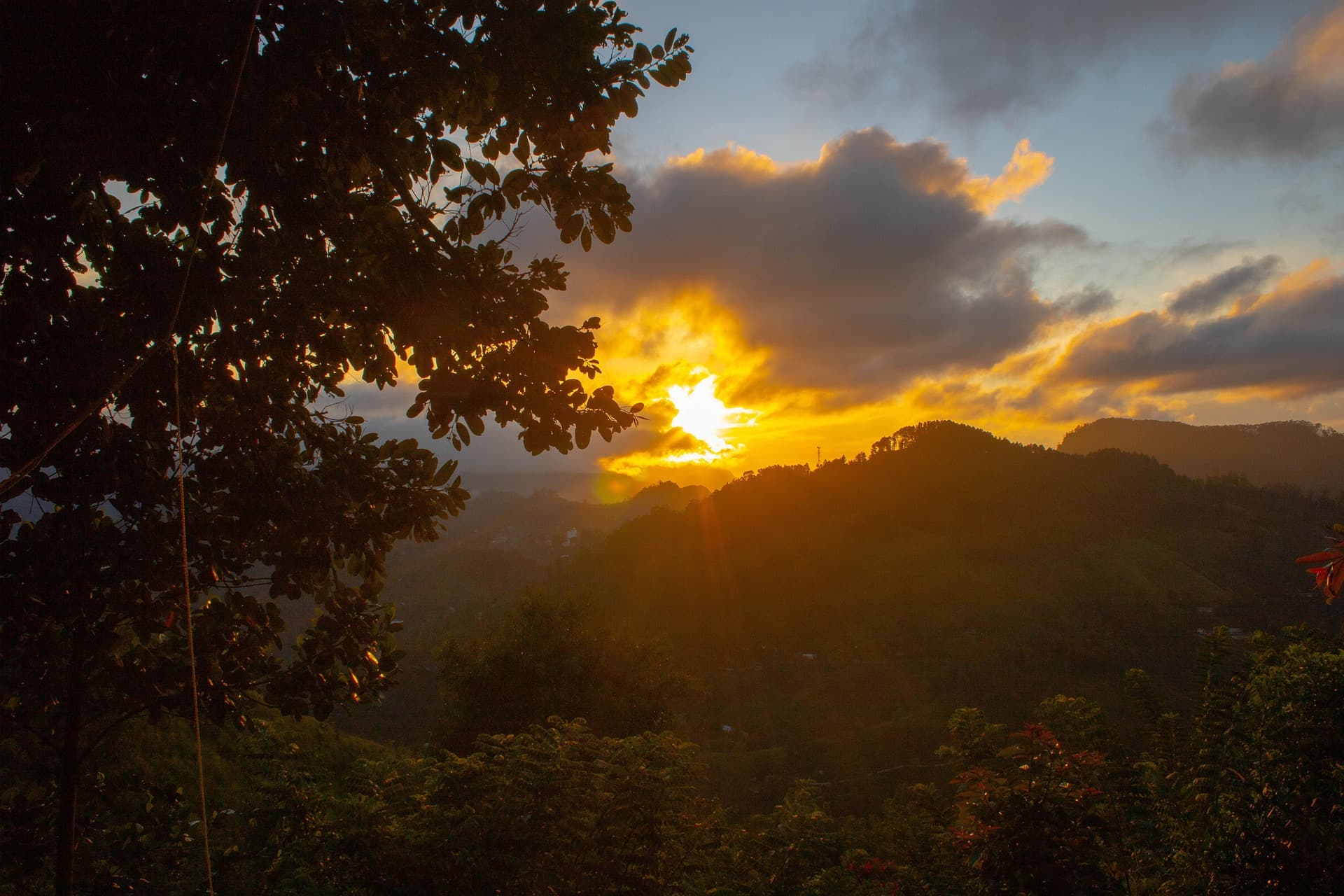
As the monsoon clouds clear over the Knuckles Range and new shoots push through cyclone-scoured soil, Sri Lanka isn’t waiting to be saved. It’s inviting us to remember what travel was always meant to be: not escape, but connection. Not consumption, but contribution. Not just a holiday – but a hand offered, gently, in solidarity.