Main Takeaways
- Prioritise locally owned guesthouses and family-run eateries to ensure tourism revenue stays within communities
- These beaches lack infrastructure for mass tourism – embrace simplicity over luxury amenities
- Visit during shoulder seasons (April-May or September-October) to avoid even modest seasonal crowds
- Always ask permission before photographing residents or cultural/religious activities
- Pack reef-safe sunscreen and reusable water bottles – these fragile ecosystems need protection
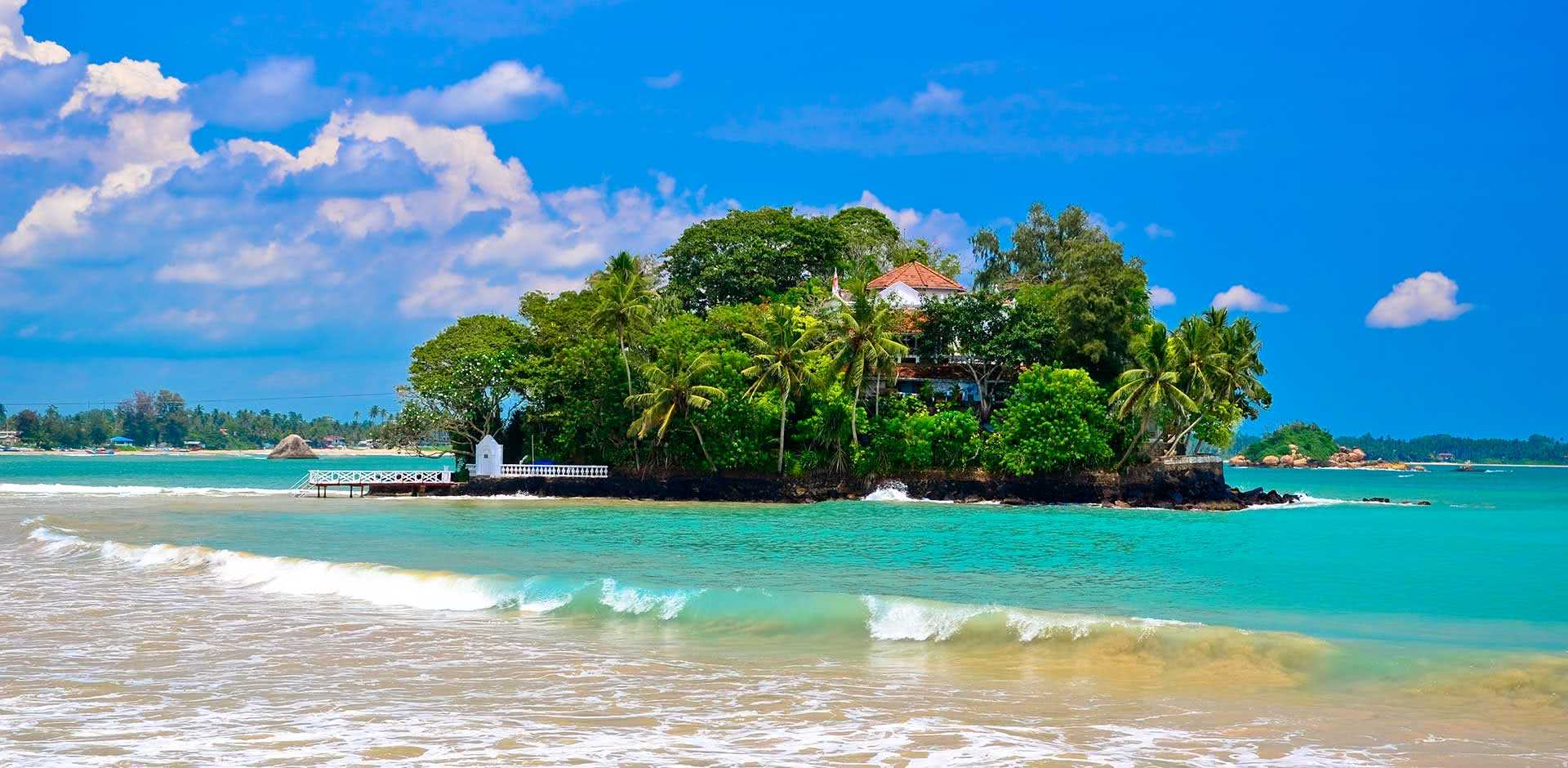
Let’s talk about the paradox of paradise. Mirissa’s crescent beach – once a whisper among travellers – now pulses with sunset DJs and tuk-tuks hawking dolphin tours. Nothing wrong with popularity, but it leaves a certain hunger unsatisfied: the craving for coastline that hasn’t been smoothed into an algorithm-friendly product. For those willing to detour beyond the south coast’s well-trodden arc, Sri Lanka still guards pockets where the sand remains uncombed by mass tourism, where fishing boats outnumber sunbeds, and where the rhythm of the day still follows tide and temple bell rather than TripAdvisor rankings.
Here are five coastal sanctuaries where the island’s shoreline still feels like a secret shared between sea and sky.
Thiranagama: Where Hikkaduwa’s Hustle Fades to Silence
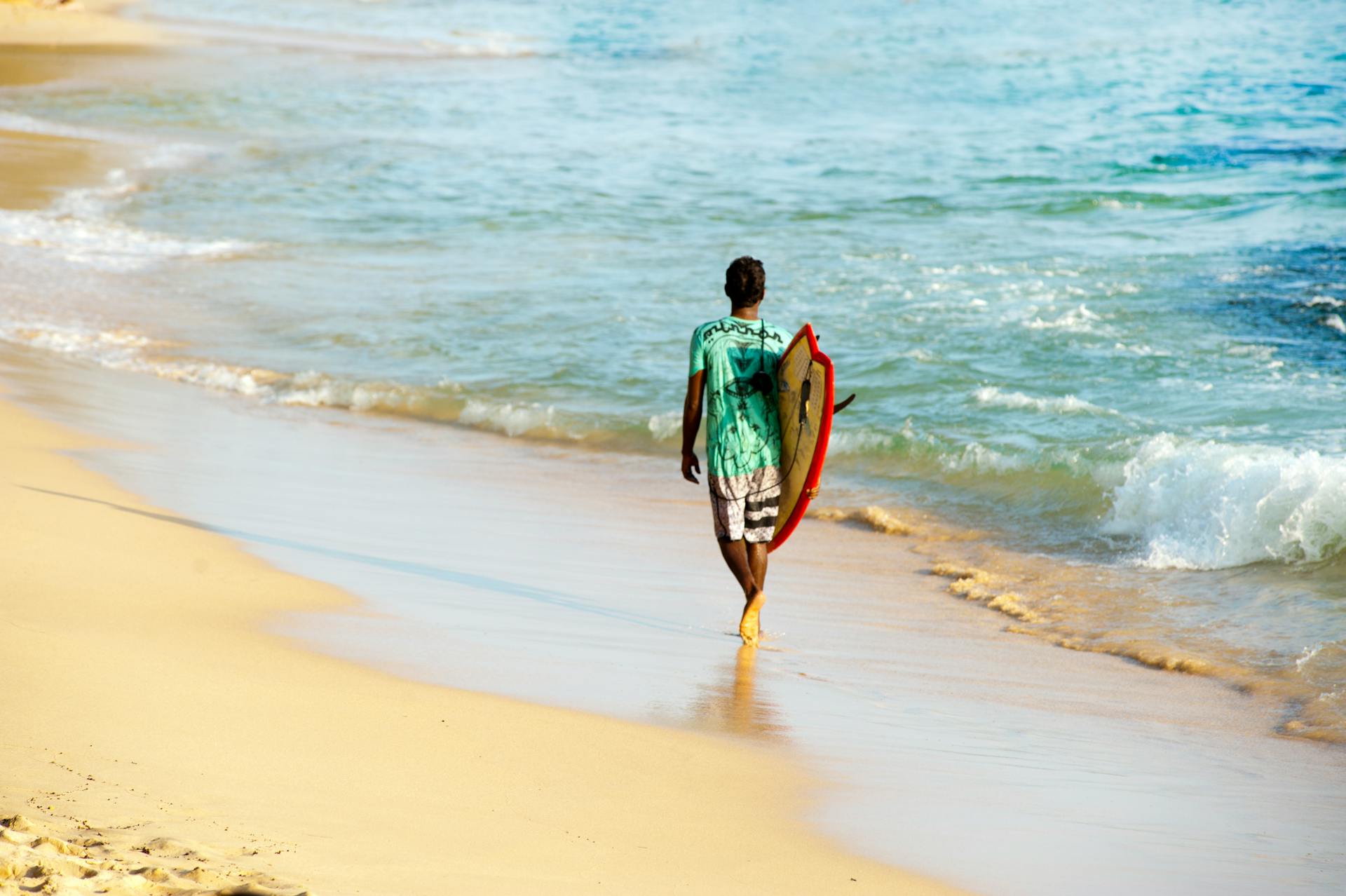
Just 15 minutes north of Hikkaduwa’s coral-fringed chaos lies Thiranagama – a stretch of golden sand bookended by rocky headlands where time seems to have paused mid-breath. No beach bars blasting reggae. No vendors chanting “massage, massage.” Just a handful of family-run guesthouses, fishermen mending nets under tamarind trees, and waves that curl gently onto shore. At dawn, the beach belongs to stilt fishermen casting shadows against apricot light. By afternoon, you might share the water with a lone surfer riding gentle rollers over a sandy bottom – no reef anxiety here. Stay at a simple homestay in the village, eat kottu at the local kade, and let the absence of agenda recalibrate your pulse. This isn’t about missing out; it’s about opting into stillness.
Kudawella: The South Coast’s Best-Kept Secret
Tucked between Weligama and Tangalle, Kudawella feels like a coastline that forgot to become famous. Its claim to fame? Hummanaya – the only natural blowhole in South Asia – where ocean pressure forces seawater skyward through a limestone chimney with a thunderous sigh. But the real magic lies beyond the spectacle: a crescent bay where fishing catamarans rest like sleeping dragons at water’s edge, and the sand stretches uninterrupted for kilometres. Local families picnic under casuarina groves while monitor lizards amble past without hurry. There’s one decent guesthouse, a couple of kades serving fiery crab curry, and zero pretence. Come for the blowhole, stay for the silence that settles after the day-trippers leave at 4 p.m. This is the south coast as it felt when I was a kid – unhurried, unvarnished, utterly real.
Mawella: Where the Sea Meets Serenity
North of Dickwella, where the A2 highway dips close to the shore, Mawella unfolds as a string of fishing hamlets strung along a wild, windswept beach. This isn’t swimming territory – the currents run fierce – but it’s sublime for long, soul-stirring walks. At low tide, the receding water reveals tidal pools teeming with tiny crabs and iridescent shells. Fishermen haul their oruwa boats ashore at dusk, their silhouettes sharp against a sky bleeding orange to violet. Stay in a modest guesthouse run by a local family who’ll invite you to share appa fresh off the griddle. No Instagram hotspots here. Just the raw, beautiful truth of coastal life continuing exactly as it has for generations – unaware of, and uninterested in, being discovered.
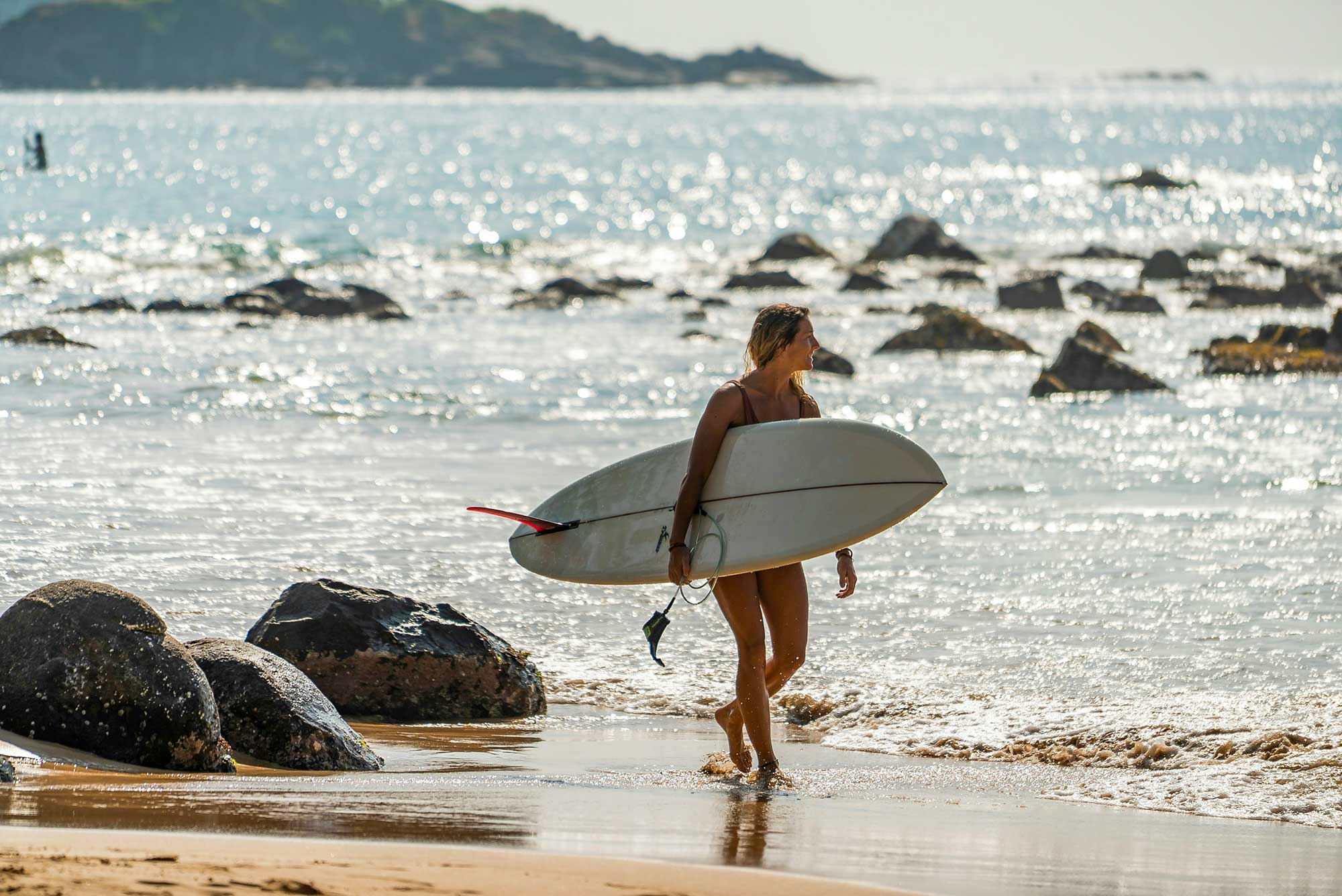
Uppuveli’s Northern Edge: Trinco’s Quiet Cousin
Everyone knows Trincomalee’s main bay. Few venture ten minutes north to where Uppuveli’s golden strand softens into a quieter rhythm. Here, the beach widens into a pale apron of sand fringed by casuarinas, with views across to the hulking silhouette of Swami Rock. The water stays bathtub-warm year-round – a legacy of the bay’s unique geology – but without the boat traffic crowding Nilaveli’s lagoon. Local Tamil families arrive at dawn to perform puja at the water’s edge; by midday, you might have a hundred metres of shore to yourself. Stay in a family guesthouse where breakfast means string hoppers or some other local favourite, and evenings are spent watching fishing boats return under a sky pricked with stars undimmed by city neon. This is the east coast’s gentle soul – accessible yet unspoiled.
Panama: Where Lagoon Meets Ocean in Wild Harmony
On the east coast south of Arugam Bay, Panama exists in beautiful contradiction: a fishing village cradled between a serene lagoon and the Indian Ocean’s raw power. This isn’t a surf town – it’s a place where life moves to the rhythm of lagoon tides and temple festivals. Cycle along dirt tracks past paddy fields where water buffalo wallow, then emerge onto a beach so vast and empty it feels like the edge of the world. At dusk, join locals gathering at the lagoon’s mouth to watch the ocean and freshwater meet in a shimmering dance of currents. Stay in a simple eco-lodge built by community hands, eat crab curry cooked with lagoon-harvested spices, and understand that paradise isn’t always about perfection – it’s about presence.
These places aren’t “undiscovered” in the colonial sense of terra nullius. They’re home to communities who’ve stewarded these shores for centuries. The privilege of visiting demands reciprocity: stay in locally owned lodgings, eat where families eat, ask before photographing, and carry out what you carry in. Tourism here should feel like a quiet conversation, not an invasion.
The secret these beaches guard isn’t about exclusivity – it’s about authenticity. They remind us that the most profound coastal experiences aren’t found where the crowds gather, but where the sea still speaks louder than commerce. Where a sunset isn’t a backdrop for a selfie, but a daily sacrament witnessed in silence. Where you leave not with a full camera roll, but with sand still between your toes and the slow rhythm of tide etched into your bones.
That’s the real secret worth keeping.
More Takeaways
- Coastal currents can be strong; swim only where locals confirm safety, especially in Kudawella and Mawella
- Support community conservation efforts like beach clean-ups organised by local guesthouses
- Travel by tuk-tuk or bicycle within villages to minimise environmental impact and connect with locals
- Respect sacred spaces: many beaches host morning puja rituals – observe quietly or keep distance
- These aren’t “empty” places – they’re working coastal communities deserving of dignified engagement
- Avoid posting precise GPS coordinates on social media to prevent overtourism pressure
- The goal isn’t to “discover” but to witness respectfully – these shores have never been lost, only overlooked by mainstream tourism