Main Takeaways
Prioritise ethical wildlife viewing: maintain distance, avoid overcrowded blocks during peak season, and choose responsible operators
Explore beyond Block I – Blocks II and V offer richer biodiversity and profound solitude
Visit during shoulder months (August–September) for greener landscapes and fewer vehicles
Embrace the full ecosystem: birds, reptiles, insects, and cultural sites like Sithulpawwa enrich the experience beyond big cat sightings
Support local communities through homestays, locally hired guides, and conservation-linked tourism
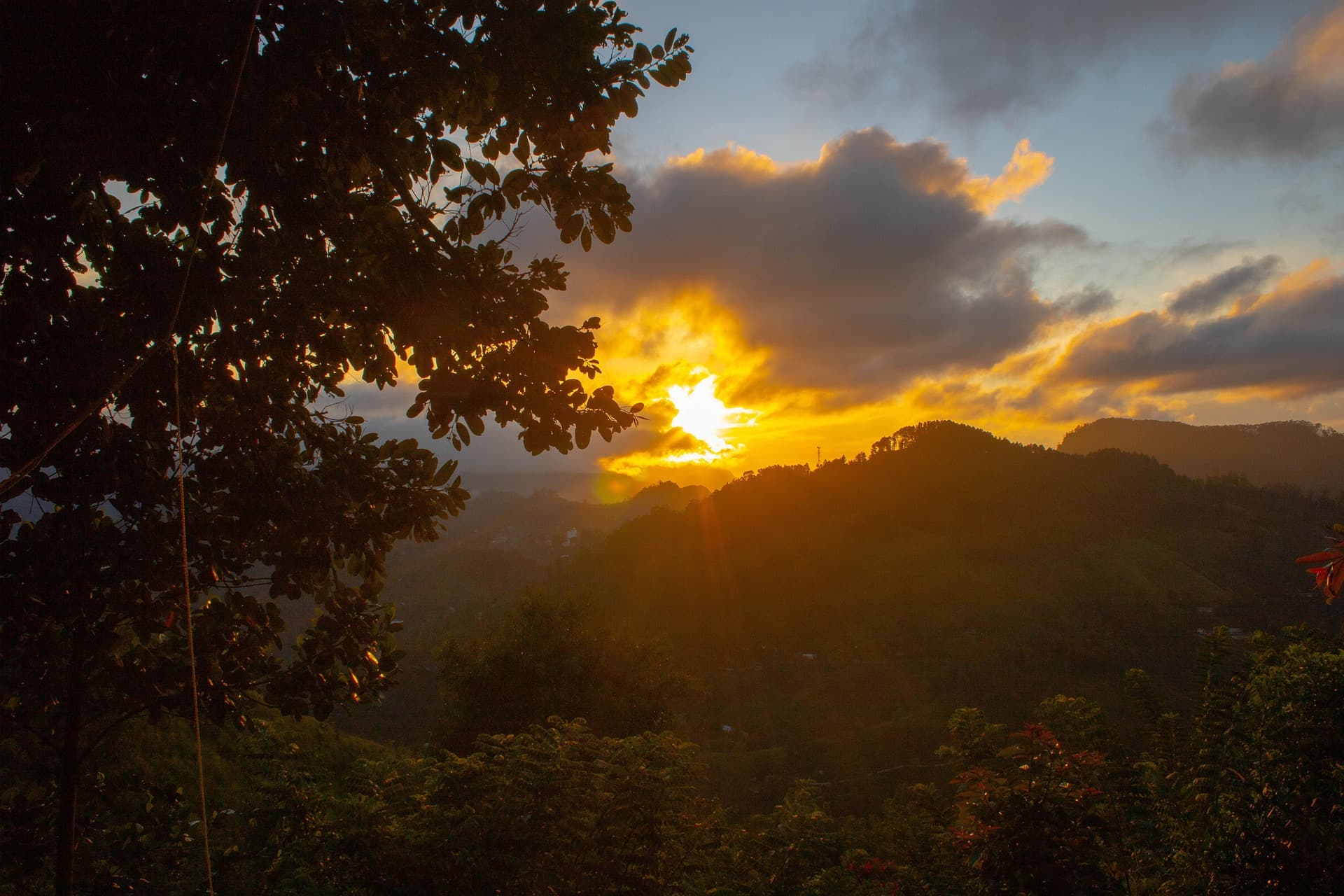
The first light in Yala doesn’t announce itself with fanfare. It seeps – a slow bleed of apricot through the palu trees, gilding the dust kicked up by a sambar deer’s cautious retreat. My guide, Nimal, kills the engine. In that sudden silence, the park exhales: a junglefowl’s scratch, the distant chack-chack of a peacock, the whisper of wind through thorny scrub. Then – a flicker of movement on a granite kopje. Not a leopard. Just a mongoose, sleek and purposeful. And in that unscripted moment, Yala reveals its truth: this isn’t a zoo with a treasure hunt. It’s a living, breathing entity that rewards stillness far more generously than urgency.
Let’s address the elephant in the room – or rather, the spotted cat on the rock. Yes, Yala boasts one of the planet’s highest leopard densities. Block I, the park’s most visited sector, has become synonymous with big cat sightings. But 2026 demands a recalibration. The old playbook – race at dawn, tick the leopard box, depart by noon- feels increasingly hollow. The real magic of Yala unfolds when you stop chasing icons and start absorbing ecosystems. When you notice how the light shifts across Bundala Lagoon at 4 p.m., turning the water to liquid copper. When you learn to distinguish the alarm call of a langur from the territorial bark of a jackal. When you understand that a leopard sighting isn’t a transaction; it’s a fleeting, humbling gift.
Ethical viewing has never been more critical. Overcrowding in Block I during peak season (February to July) creates stress for wildlife and diminishes the experience for everyone. This year, consider these shifts: opt for Block V (Kumana), where wetlands attract spectacular birdlife and solitude is almost guaranteed. Or visit Block II (Kataragama) during the shoulder months of August and September – fewer vehicles, greener landscapes, and the chance to witness elephants moving between forest patches without the circus atmosphere. Always maintain respectful distance. That viral photo of a leopard draped over a safari jeep’s bonnet? It’s not a trophy – it’s a trauma. True connection happens through binoculars and patience, not proximity.
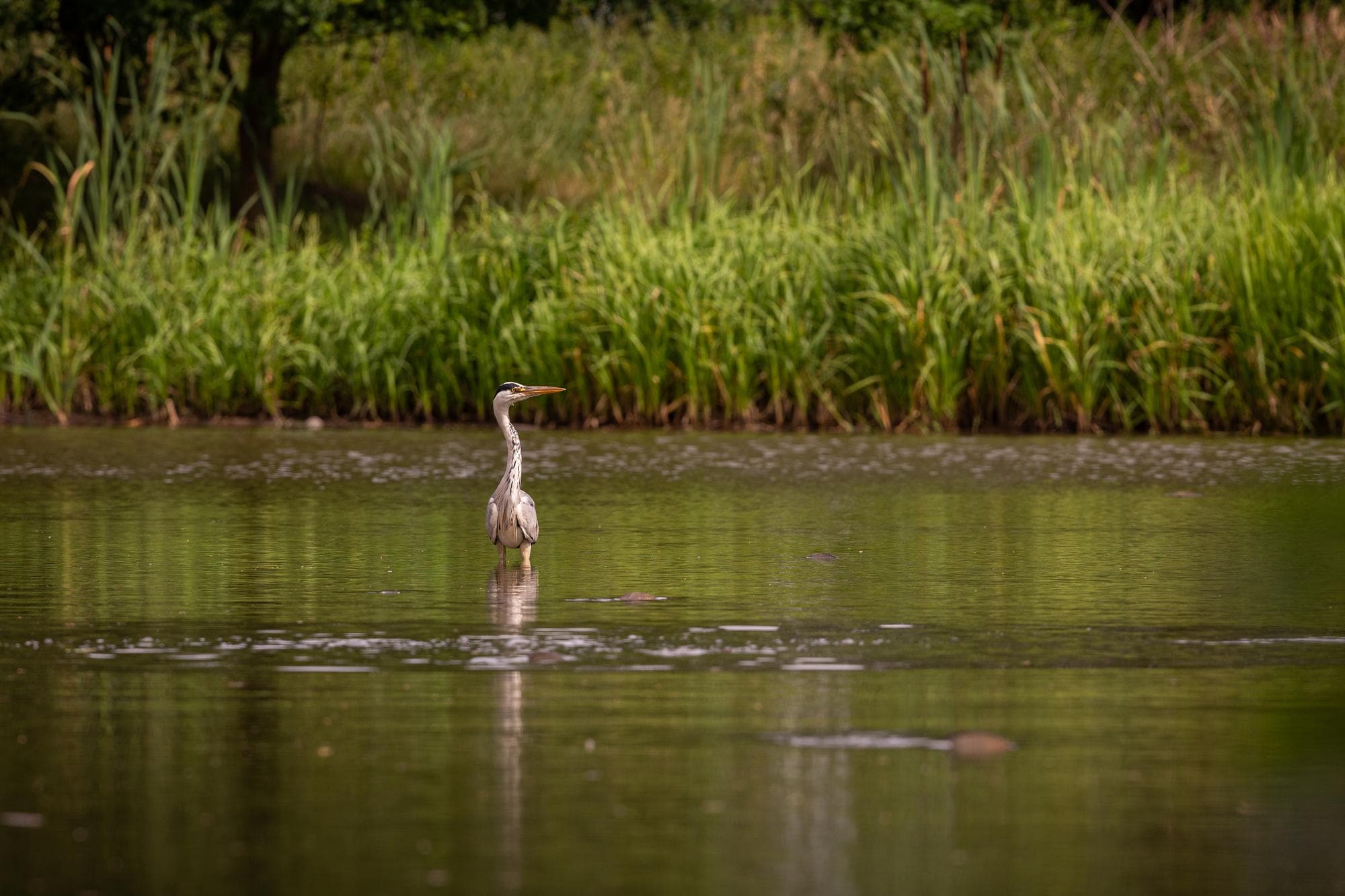
Beyond the big cats, Yala pulses with quieter wonders. The park’s dry-zone ecosystem – a mosaic of thorn scrub, grasslands, and ancient rock formations – hosts over 200 bird species. Watch for the crimson flash of a red-faced malkoha or the improbable elegance of a painted stork wading through a seasonal wewa. Sloth bears amble through termite mounds at dusk, their shaggy silhouettes comically endearing. Mugger crocodiles bask on riverbanks with prehistoric indifference. Even the insects tell stories: iridescent blue Mormon butterflies tracing invisible pathways, or the industrious weaver birds stitching nests into acacia branches. This is biodiversity not as a checklist, but as a symphony – each species a note in a composition millions of years in the making.
Yala’s wild heart beats alongside human history. Tucked within Block I lie the ruins of Sithulpawwa, a 2nd-century BCE Buddhist monastery where monks once meditated amidst the same wildlife we now chase with camera lenses. Imagine that continuity: leopards padding past stone stupas, elephants drinking from the same reservoirs carved by ancient hands. The surrounding villages – Kirinda, Palatupana – hold their own rhythms.
Families here have coexisted with predators for generations, their lives woven into the park’s ecology through farming, fishing, and quiet resilience. Ethical travel means acknowledging this. Choose operators who employ local guides (like Nimal, whose grandfather tracked leopards before tourism existed), support community-run homestays in Kirinda, and contribute to conservation initiatives like the Yala Conservation Project. Your presence should leave ripples of benefit, not just footprints.
Practical wisdom for 2026: Mornings remain prime for sightings, but the golden hour before sunset offers softer light and more active wildlife. Avoid midday drives – the heat drives animals deep into shade, and you’ll bake in a metal box. Book your safari permit well ahead through the Department of Wildlife Conservation’s online portal; last-minute slots vanish fast. Pack light: water, sun protection, a light scarf (dry-season dust is relentless), and a sense of humour when your vehicle gets stuck in red laterite mud (wet-season woes). Most importantly, silence your inner monologue. Put the phone away for an hour. Listen. Watch. Breathe. The transformation GRANDPASS speaks of isn’t found in a leopard’s gaze alone – it’s in the recalibration of your own attention.
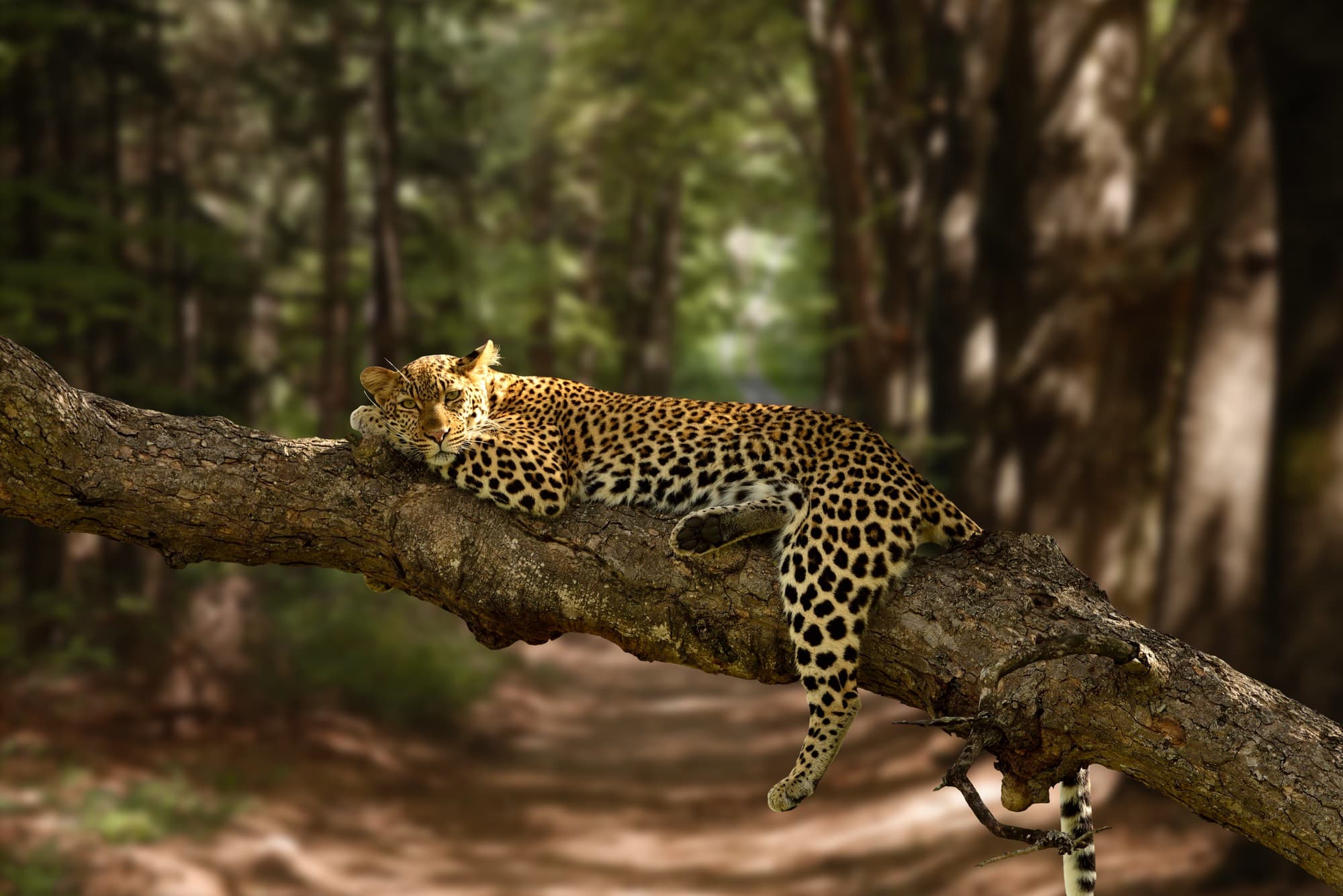
Leaving Yala at dusk, the sky bruised violet and orange, I felt not the triumph of a sighting logged, but the quiet expansion that comes from surrendering to a place on its own terms. We’d seen a leopard – an adolescent male, draped over a branch like spilled ink – but what stayed with me was the way the setting sun set the lagoon alight, how the langurs and parrots chattered their evening gossip, how Nimal pointed out medicinal plants his grandmother once used. Yala doesn’t give up its secrets to the hurried. It reveals itself to those willing to sit with uncertainty, to find wonder in the unphotogenic, to understand that wilderness isn’t just a backdrop for our adventures – it’s a relationship we’re privileged to enter, however briefly.
This is Yala in 2026: not a destination to conquer, but a landscape to converse with. Come for the leopards if you must. But stay for the silence between heartbeats – the true wild heart of this ancient land.
More Takeaways
- Mornings and late afternoons deliver optimal wildlife activity and photography conditions
- Silence and stillness yield deeper rewards than frantic searching
- Book permits early via the official Department of Wildlife Conservation portal
- Pack minimally but thoughtfully: sun protection, water, dust scarf, and patience are essential
- Understand Yala as a living cultural landscape – not just a wildlife reserve – with millennia of human-wildlife coexistence
- Transformation comes through mindful presence, not checklist tourism
- The dry season (February–July) concentrates wildlife at water sources but demands conscious crowd management