Main Takeaways
Pilgrimage isn’t equal to Tourism: True spiritual travel requires surrendering the checklist mentality. Transformation happens in unscripted moments – shared silence, unexpected generosity – not curated photo ops.
Sri Lanka’s Multi-Faith Tapestry Is Its Superpower: Sacred sites here aren’t siloed by religion. Buddhist, Hindu, Muslim, and Christian traditions coexist and interweave, offering travellers a rare model of spiritual pluralism in practice.
Temple Stays Teach Radical Presence: Staying in working monasteries or meditation centres strips away comfort to reveal what remains: the ability to sit with stillness, discomfort, and simplicity as teachers.
Ethical Engagement Is Non-Negotiable: Spiritual sites demand respect beyond dress codes – understanding why certain behaviours matter (e.g., not photographing monks) preserves sanctity and honours living traditions.
The Real Souvenir Is Internal: The most valuable takeaway from spiritual travel isn’t a trinket or certificate – it’s a shifted perspective that lingers long after you’ve left the island: the memory of how silence felt, how generosity moved, how connection transcended language.
Transformation Lives in the Ordinary: As our reference ethos reminds us, Sri Lanka’s magic isn’t in grand gestures but quiet moments – the taste of shared food, the sound of temple bells, the look exchanged with a stranger on a mountain path. These are the threads that weave travel into transformation.
The Quiet Pulse: When Pilgrimage Becomes Transformation in Sri Lanka
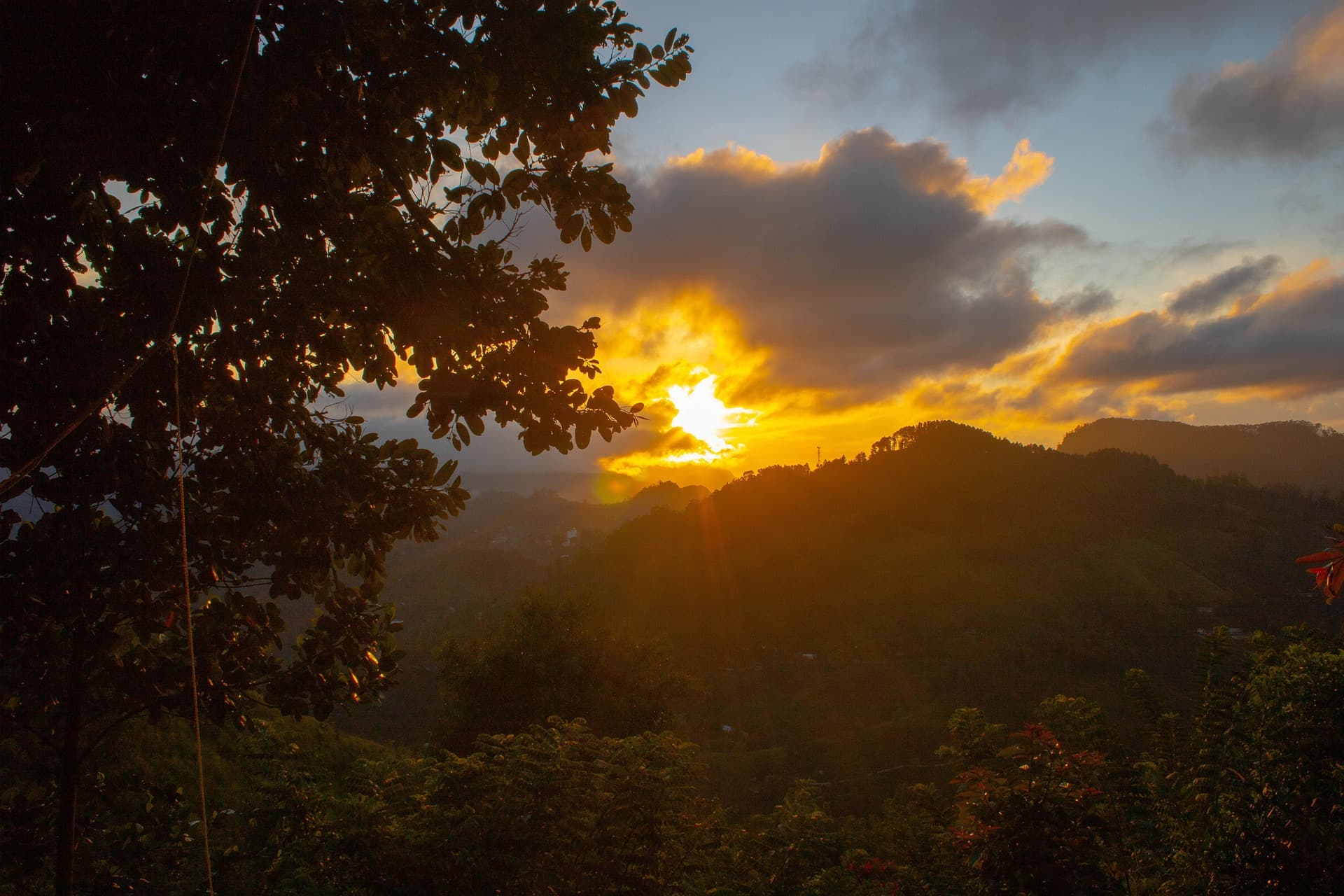
It begins not with a prayer, but with a footstep. The pre-dawn chill bites your ankles as you join the silent river of pilgrims ascending Adam’s Peak. No one speaks. The only rhythm is the crunch of gravel underfoot and the distant chime of bells tied to wrists or anklets – a self-made soundtrack for the climb. Halfway up, an elderly Tamil woman presses a wildflower into your palm without breaking stride. You don’t share a language. You don’t need to. In that exchange – fleeting, wordless – something shifts. This isn’t tourism. It’s transmission.
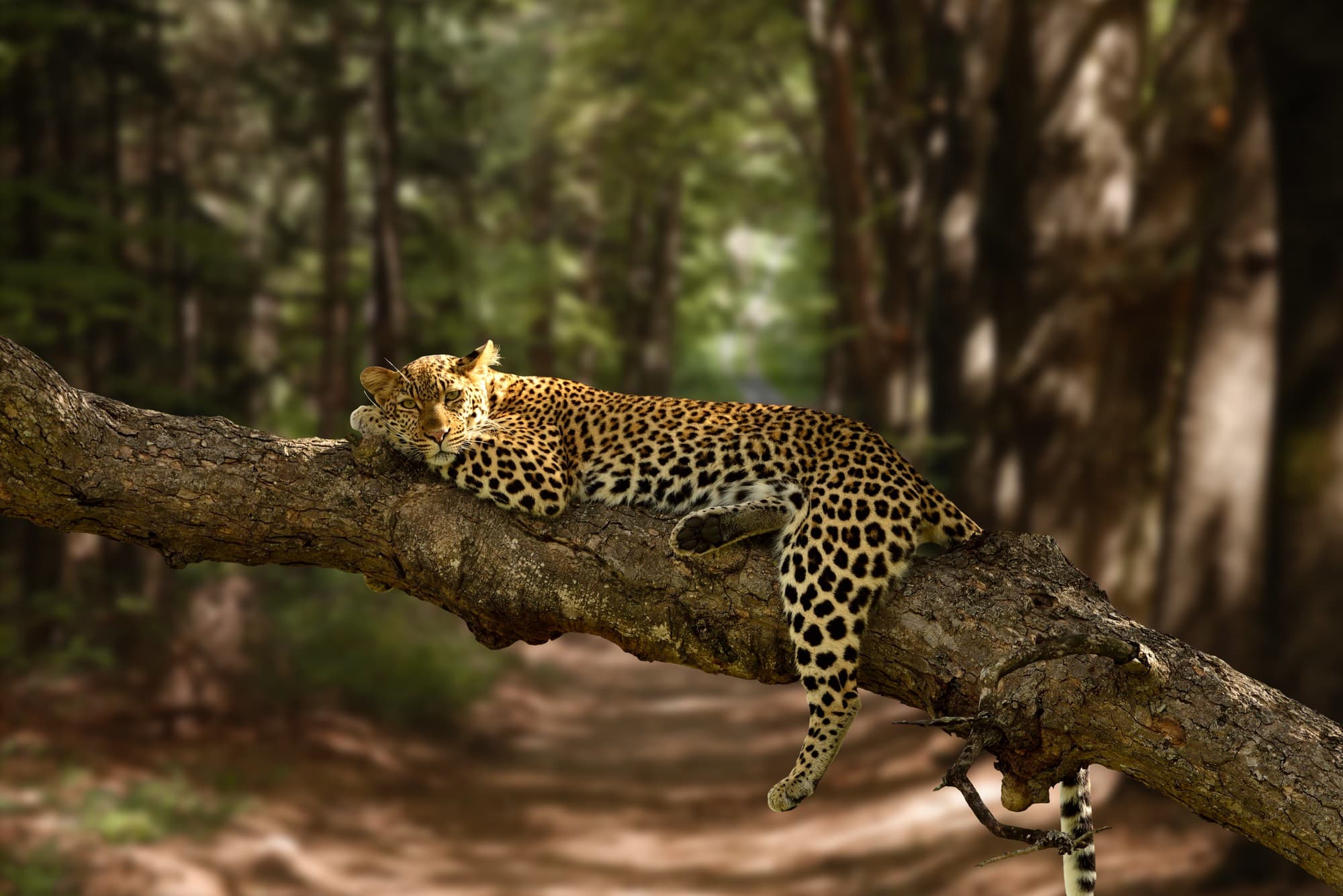
Sri Lanka has long been framed through the lens of its beaches and leopards, its tea and trains. But beneath this postcard veneer runs an older current: a spiritual geography etched into rock, river, and ritual over two millennia. Today, a new kind of traveller is tuning into this frequency – not to tick off temples, but to recalibrate their inner compass. They’re seeking not sights, but silence. Not itineraries, but insight. And in doing so, they’re stumbling upon Sri Lanka’s most radical offering: the chance to experience faith not as spectacle, but as shared human practice.
Beyond the Checklist Pilgrimage
Let’s be clear: religious tourism and spiritual pilgrimage are not synonyms. One collects stamps; the other surrenders the passport. The former arrives with a camera and a checklist – Dalada Maligawa, check; Kataragama, check. The latter arrives with an open palm and a quiet question.
Sri Lanka’s sacred sites resist commodification precisely because they refuse to perform on demand. At Mihintale – the cradle of Sri Lankan Buddhism – you won’t find guided commentaries explaining enlightenment. You’ll find monks sweeping stone steps at sunrise, their brooms whispering bāṇa against granite worn smooth by centuries of bare feet. At Kataragama’s fire-walking festival, you won’t be handed a programme. You’ll stand shoulder-to-shoulder with Hindu kavadi bearers, Muslim dervishes, and Buddhist devotees – all moving to the same drumbeat of devotion. This is Sri Lanka’s quiet miracle: its sacred geography isn’t partitioned by faith. It’s layered – Buddhist stupas beside Hindu kovils, Christian churches facing Muslim mosques – all breathing the same humid air.
The Adam’s Peak pilgrimage embodies this layered spirituality. Buddhists climb to venerate the footprint of the Buddha; Hindus believe it belongs to Shiva; Muslims and Christians attribute it to Adam or St. Thomas. Yet on the trail, these distinctions dissolve. Everyone climbs the same 5,500 steps. Everyone shares the same thermos of sweet tea at the same rest stop. Everyone gasps at the same sunrise breaking over the shadow of the peak – a perfect triangle cast across the clouds. Here, belief isn’t debated; it’s embodied. And in that embodiment lies transformation.
The Radical Hospitality of Temple Stays
Imagine waking not to an alarm, but to the low hum of Pali chants drifting through latticed windows. You’re not in a boutique hotel with “Buddhist-inspired décor.” You’re in a vihara – a living monastery – where your bed is a simple mat, your bathroom a bucket at the well or rain shower, and your morning routine begins with sweeping the courtyard alongside novice monks.
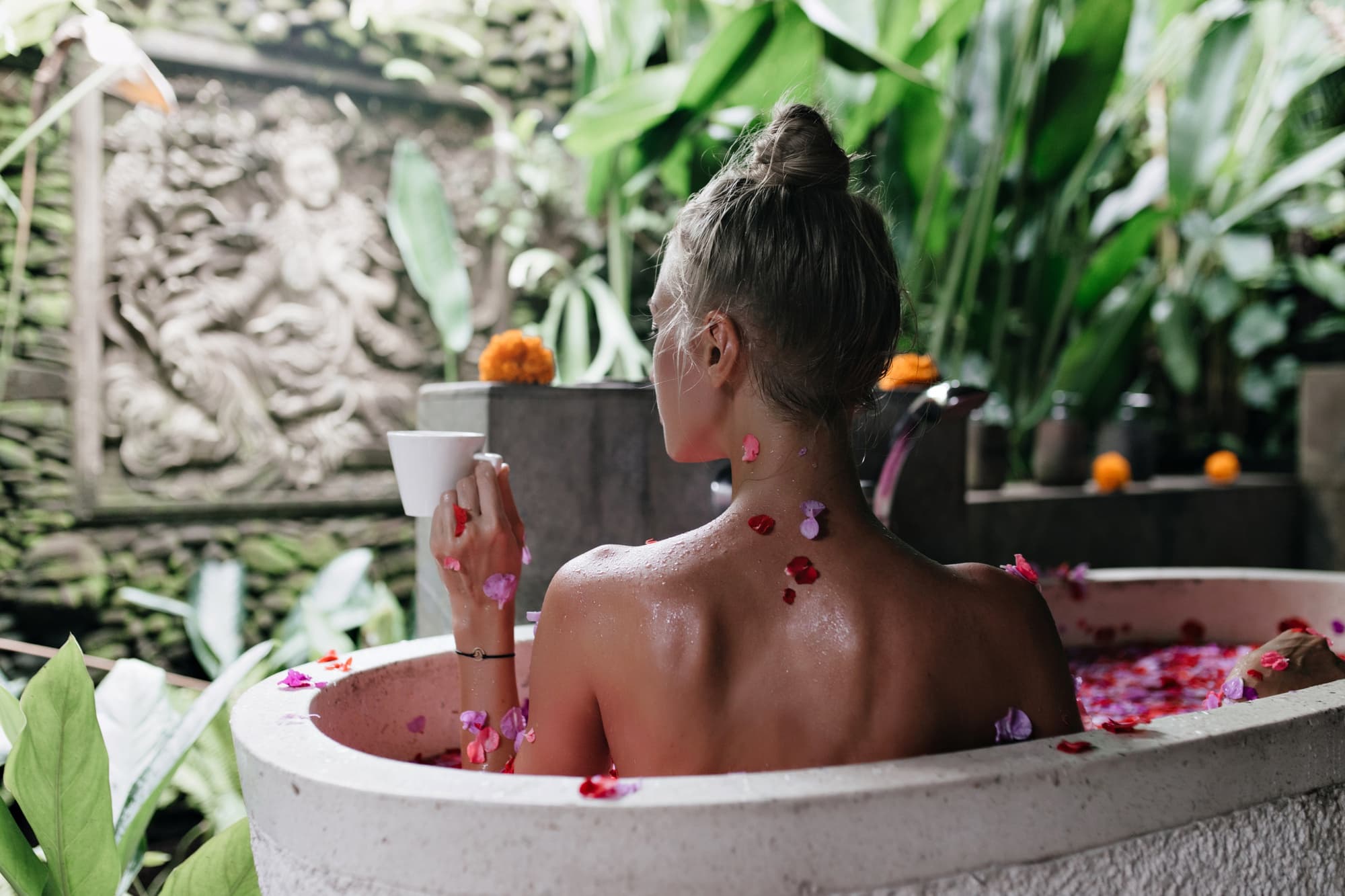
Temple stays are emerging as Sri Lanka’s most profound counter-offer to extractive tourism. Places like Na Uyana Aranya in the North Central Province (Madahapola) or forest monasteries near Ratnapura invite guests not as consumers, but as temporary members of a spiritual community. You eat what the monks eat – simple ratu Kekulu (unpolished red-rice) and vegetable curry from the monastery garden. You sit in meditation not as a “wellness activity,” but as part of the daily rhythm. There are no Instagrammable yoga decks. Just silence, broken occasionally by the call of a peacock or the rustle of a monitor lizard in the banyan tree.
This isn’t poverty tourism dressed in spiritual clothing. It’s an invitation to experience dana – the Buddhist principle of selfless giving. The monks give their time, their teachings, their stillness. You give your presence, your labour, your willingness to be uncomfortable. In that exchange, something alchemical occurs: the ego softens. The constant internal narration – “What’s next? What should I post?” – fades. You begin to notice how light moves across stone at 4 p.m. How a single bell note hangs in the air like a question mark. These are not “experiences” to be captured. They’re moments of being – fleeting, unrepeatable, and utterly yours.
The Uncomfortable Truth About Spiritual Consumption
But let’s not romanticise. As spiritual tourism grows, so does the risk of turning sacred practice into content. I’ve watched influencers strike yoga poses before ancient stupas, their backlit silhouettes framed for maximum aesthetic impact while monks look on, bemused. I’ve seen “meditation retreats” marketed as digital detox spas where mindfulness is sold alongside avocado toast.
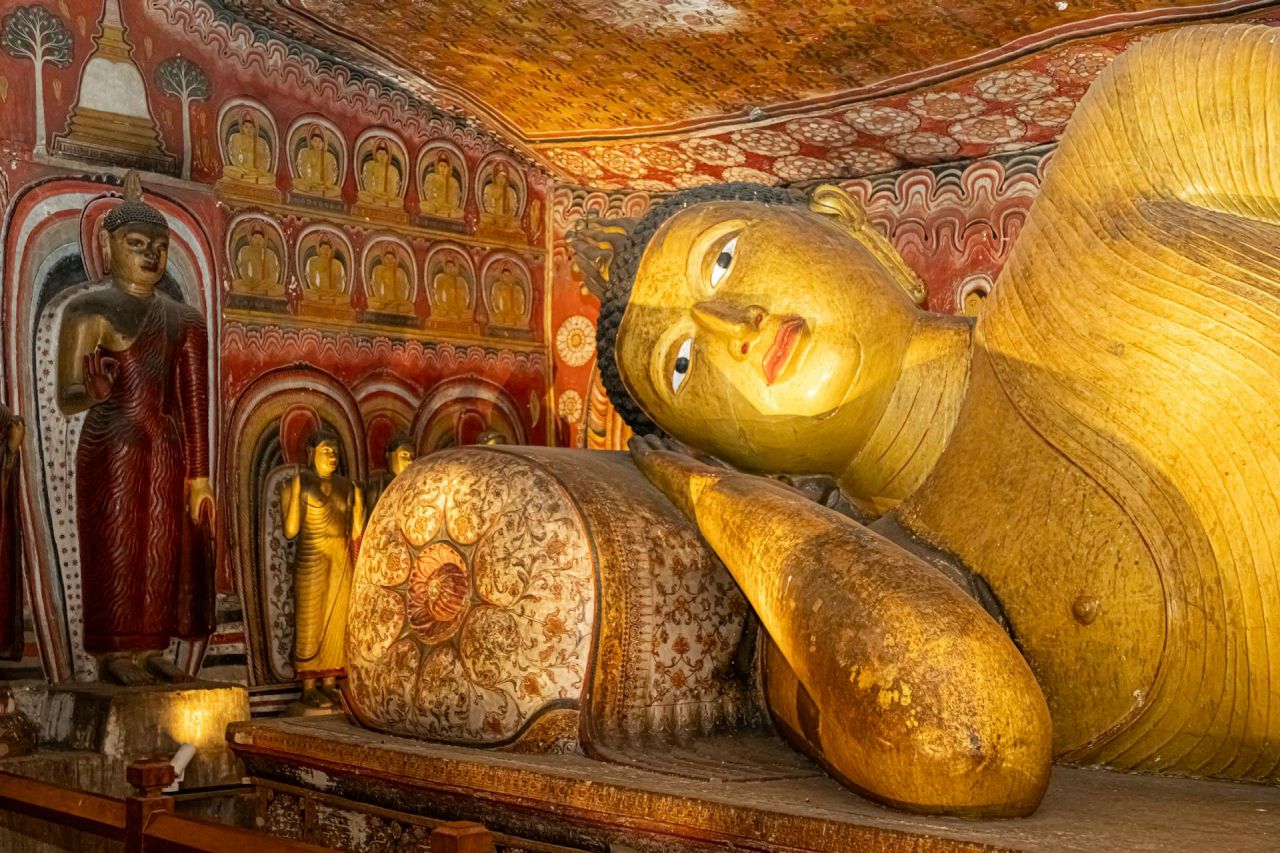
This is where Sri Lanka’s ethical tourism imperative becomes non-negotiable. The island’s spiritual landscape isn’t a backdrop – it’s a living ecosystem of belief. To engage with it responsibly requires humility. It means removing your shoes without being asked. It means not pointing your feet at Buddha statues. It means understanding that when a monk declines your photograph request, it’s not rudeness – it’s preservation of sanctity.
The most transformative spiritual journeys here happen not when you’re doing something spiritual, but when you’re undoing something transactional. When you sit quietly at a wayside shrine and simply watch locals make offerings – not as anthropological specimens, but as fellow humans seeking connection. When you accept a cup of tea from a temple caretaker not as a service, but as dana. This is the real pilgrimage: the slow dismantling of the tourist-self.
The Return: Carrying the Silence Home
The true test of spiritual travel isn’t what happens on the mountain – it’s what you carry down. I recall a German architect I met at a meditation centre in Nilambe. After ten days of noble silence, she told me: “I came to fix my anxiety. I leave understanding that anxiety isn’t a problem to solve – it’s a signal I’ve been ignoring.” She didn’t leave with a certificate or a souvenir. She left with a new relationship to her own mind.
This is Sri Lanka’s quiet promise to the mindful traveller: transformation isn’t about acquiring peace. It’s about recognising it was never lost – only obscured by noise. The island doesn’t give you spirituality. It simply holds space for you to remember your own.
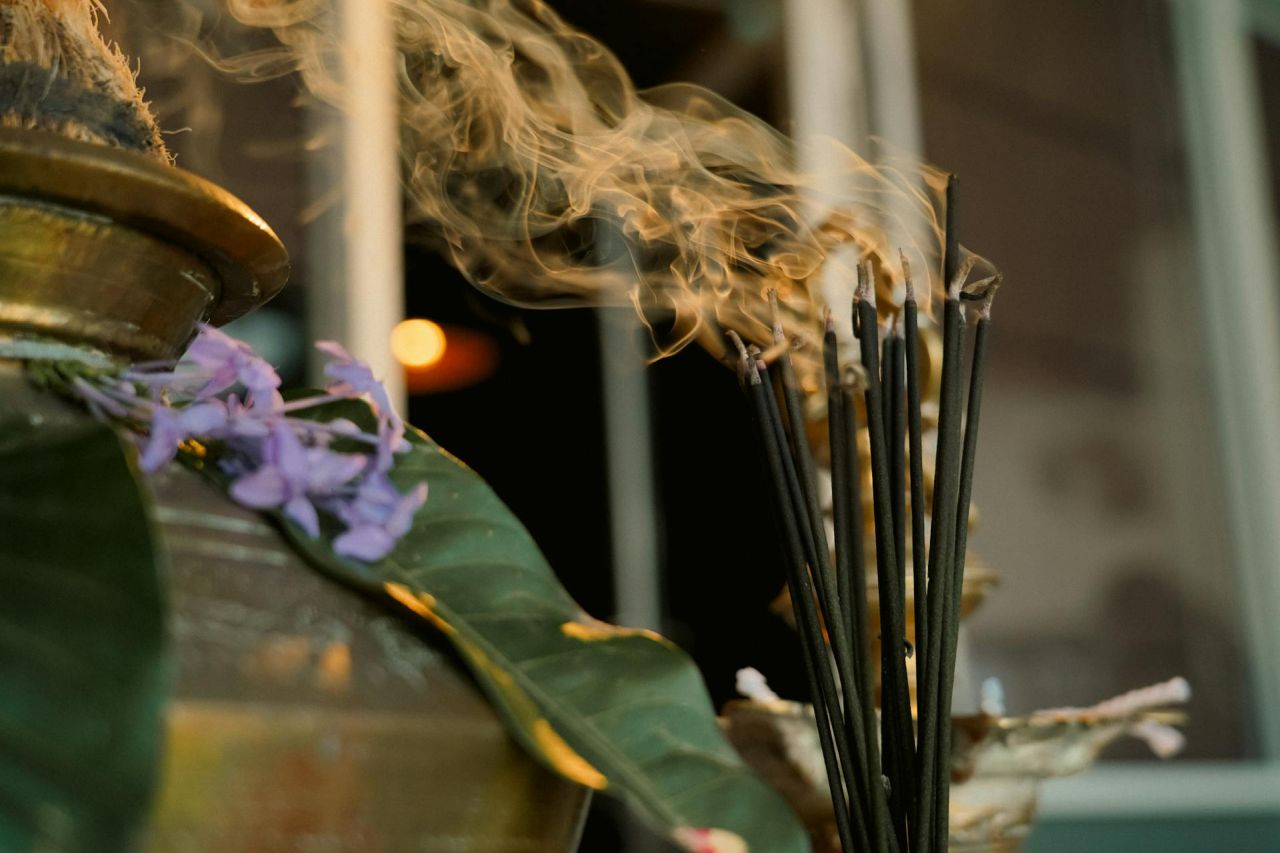
As dusk settles over the Kandy perahera, as oil lamps flicker in a Jaffna kovil, as the call to prayer echoes across Beruwala – these moments don’t belong to any one faith. They belong to the human hunger for meaning. And in Sri Lanka, that hunger is met not with dogma, but with invitation. Come. Sit. Breathe. The path isn’t out there on the map. It’s under your feet, in this very step.