Main Takeaways
- Verify current operational status before travel – track upgrades may cause suspensions through mid-2026
- Book reserved seats precisely 30 days ahead via Sri Lanka Railways’ Pravesha e-ticketing platform
- Prioritise respectful observation over photography in working tea estates and villages
- First class offers comfort; second class provides authentic local interaction with open-door access (safely)
- Morning departures yield clearer mountain vistas; afternoon rides gift dramatic sunset light over Haputale
- Embrace delays and slowness as integral to the journey’s transformative quality
Let’s be honest about the elephant – or rather, the tea-plucker – in the carriage. You’ve seen the photos: silhouetted figures leaning from open doorways, mist curling through emerald plantations, that impossible blue sari against a backdrop of cloud-wrapped green peaks. The Kandy to Ella train journey has become Instagram’s favourite Sri Lankan cliché. But strip away the filters, and something more compelling remains: not a photogenic spectacle, but a slow unravelling of landscape and self. Seven hours of rhythmic clatter, changing light, and unplanned conversations. This is travel as antidote – a deliberate unspooling in an age of haste.
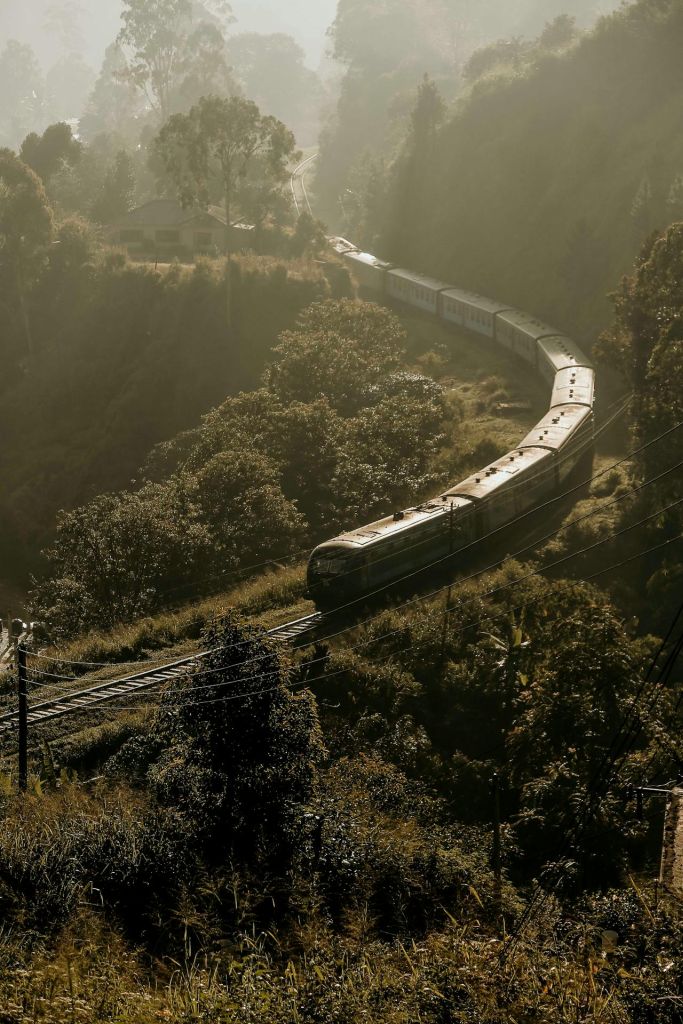
First, a necessary truth for 2026 travellers: the iconic hill-country line has faced periodic suspensions for track upgrades between late 2025 and mid-2026 – after cyclone Ditwah. Always verify current status via Sri Lanka Railways’ official channels before planning. When operational, this isn’t merely a “scenic ride” – it’s a living corridor where geography, history, and daily life intersect. The British engineered these tracks in the 1880s not for tourism, but to transport tea. Today, that same route carries schoolchildren in crisp white uniforms, grandmothers balancing baskets of vegetables, and wide-eyed backpackers – all sharing space in carriages that smell of wood polish, rain-damp wool, and ripe mangoes.
The magic unfolds in layers. Leaving Kandy’s temple-hummed valley, the train climbs through dry-zone scrub into the wet highlands. Around Hatton, the world greens violently. Tea estates appear – not the manicured postcard versions, but the manicured working landscapes where women move like slow currents between bushes, their bright saris punctuating endless green. This isn’t scenery to consume; it’s labour to witness respectfully. Keep cameras respectful here. These are people earning a living, not props for your feed.
The true theatre begins near Nanu Oya. As the train hugs ridges at 2,000 metres, cloud banks drift through open doorways, chilling your arms. Waterfalls materialise without warning – thin silver threads plunging into valleys so deep you lose all sense of scale. At Demodara, the track performs its famous gravity loop, spiralling beneath itself in an engineering marvel that still feels like sleight of hand. And yes, the Nine Arch Bridge near Ella remains breathtaking – but skip the crowds scrambling for the “perfect shot.” Instead, watch how light shifts across its stone arches during the 9:40 a.m. or 3:40 p.m. crossings (instagram.com). That’s when photography becomes witness, not extraction.
What the BBC recognised – and what algorithms miss – is the journey’s rhythm. Seven hours forces surrender to slowness. You’ll share biscuits with a Tamil schoolteacher heading home for Pongal. A Sinhalese monk might point out a rare bird flitting past your window. The elderly Kandyan woman opposite will eventually smile, then offer you a slice of her pineapple. These unscripted exchanges are the real itinerary. They happen because you’re not rushing to a destination – you’re living inside the transit itself.
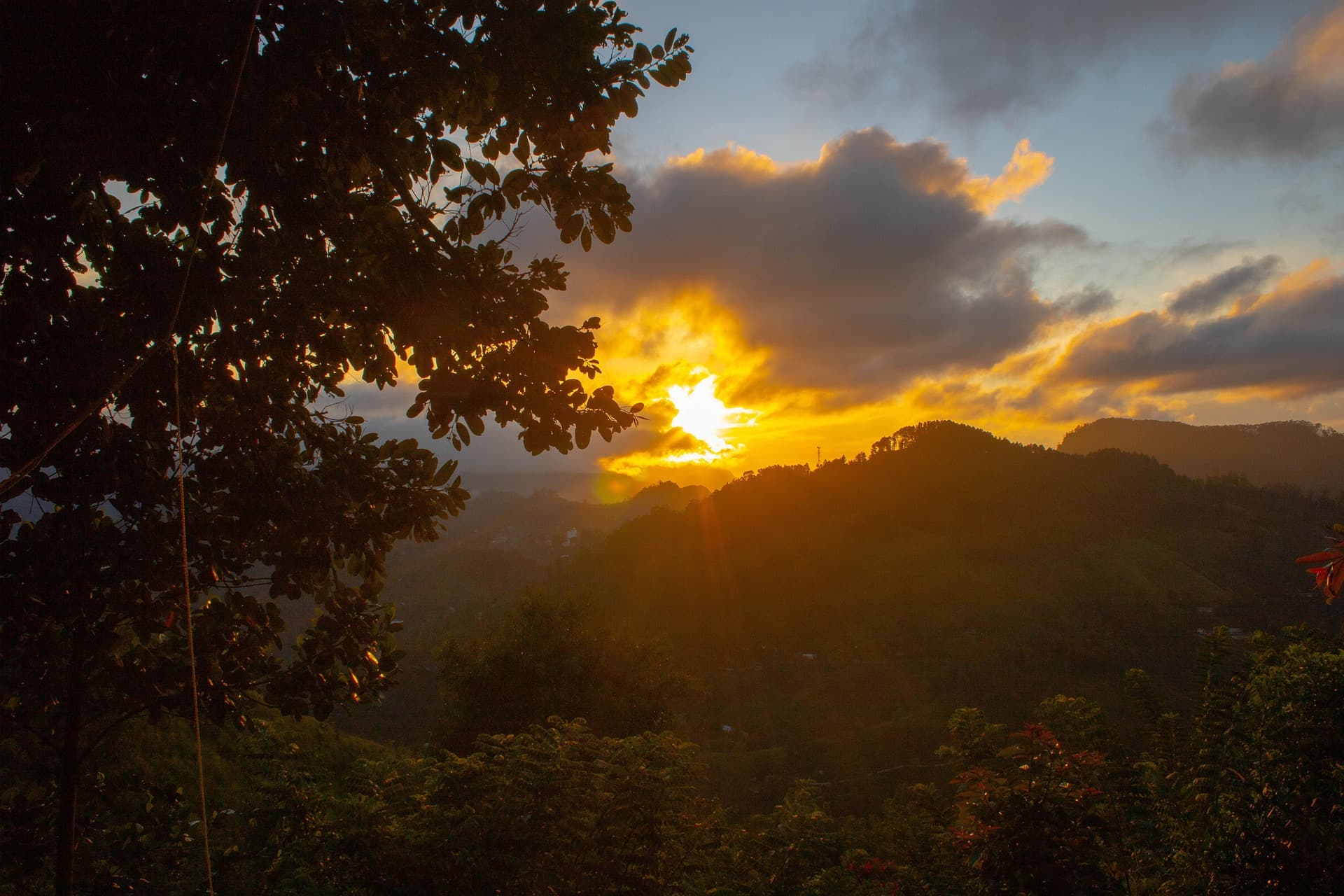
Practical wisdom for 2026: Book reserved seats exactly 30 days ahead via the Pravesha e-ticketing system (facebook.com). First class offers cushioned seats and fewer crowds; second class provides open-door access (with safety rails) and authentic local interaction. Avoid third class unless you relish standing-room-only chaos. Mornings deliver clearer mountain views before afternoon mist rolls in – but late departures gift you sunset over the Haputale gap, when the light turns tea bushes to liquid gold. Pack light layers (temperatures drop sharply at elevation), reusable water bottle, and patience. Delays happen. Embrace them as part of the journey’s texture.
Crucially, approach Ella itself with intention. This once-sleepy village now battles overtourism – unplanned guesthouses straining water resources, trails eroded by foot traffic (ResearchGate). Your presence should lighten burdens, not add to them. Stay in eco-certified lodges, where possible, supporting community initiatives. Hire local guides for Little Adam’s Peak or Ella Rock hikes – their knowledge of endemic plants and hidden waterfalls transforms a trek into storytelling.
The BBC’s nod wasn’t about validating a bucket-list cliché. It celebrated slow travel as a radical act – a 7-hour commitment to presence in a world obsessed with efficiency. This journey asks you to trade Wi-Fi for wonder, schedules for serendipity. To feel mountain air on your face instead of screen glare in your eyes. To understand that the most transformative travel doesn’t happen at destinations, but in the liminal spaces between them.
As the train pulls into Ella station – surrounded by the dramatic thrust of Ella Rock – you won’t feel you’ve “arrived.” You’ll feel you’ve been gently rewired. The clatter of wheels has become heartbeat. The changing light has reset your internal clock. And that fleeting connection with strangers across the carriage? That’s the souvenir no shop sells. This is why the Kandy-Ella line endures: not as spectacle, but as sanctuary. Not for the views you capture, but for the stillness you carry home.
More Takeaways
- Support Ella’s sustainability by choosing eco-certified stays and locally owned eateries
- Hire community guides for hikes to ensure tourism revenue benefits residents directly
- The journey’s true value lies in human connections and sensory immersion – not Instagram moments
- Pack layers for dramatic temperature shifts between Kandy’s warmth and highland chill
- Avoid overcrowded Nine Arch Bridge viewpoints; experience the bridge from within the moving train
- This route exemplifies slow travel as conscious resistance to hyper-efficient tourism