Main Takeaways
Sri Lanka’s river and lagoon health directly determines the quality and sustainability of its iconic seafood
Community-led conservation (Mahaweli Waterkeepers, mangrove CBOs) is proving more effective than top-down policy alone
High-end restaurants like Ministry of Crab are integrating conservation into their business models, recognising that degraded ecosystems mean empty menus
Culture-based fisheries for giant river prawns offer a sustainable alternative to destructive aquaculture
Discerning travellers can support waterway conservation through conscious culinary choices and experiences that connect plate to place
Urban wetlands like Muthurajawela demonstrate that conservation and city life can coexist when designed thoughtfully
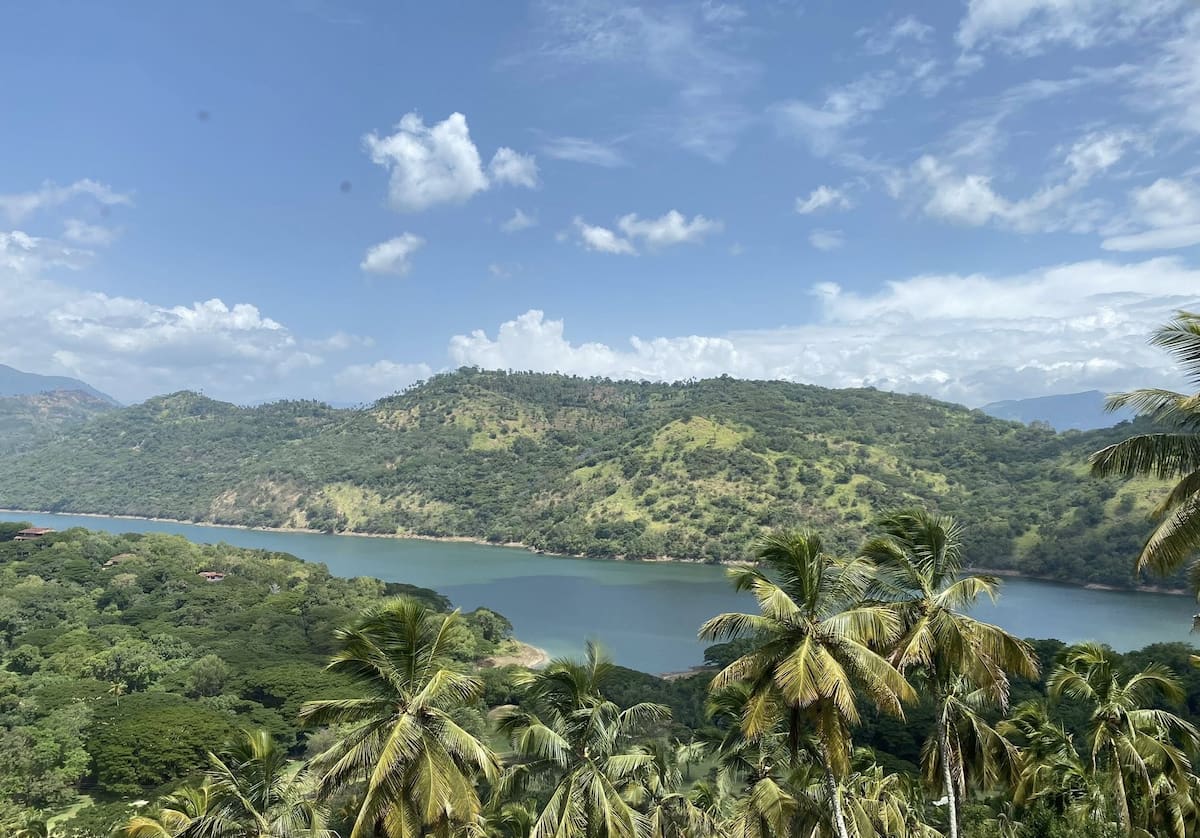
There is a particular silence that falls over the Mahaweli Ganga just before dawn near Kandy – a hush broken only by the dip of oars and the whisper of water against reeds. Here, where the river widens into reservoirs fringed by mist-haloed hills, fishermen move with a quiet reverence. They aren’t hunting blindly; they’re reading the water. And what they seek – udawa, or Karadu Issa, the giant river prawn (Macrobrachium rosenbergii) – is both a culinary treasure and a barometer of ecological health. These translucent creatures, with claws like curved scimitars, thrive only where currents run clean and oxygen-rich. To taste one is to taste the river itself.
This is the unspoken covenant of Sri Lanka’s inland waterways: the quality of what arrives on your plate is a direct reflection of the stewardship we extend to rivers, lagoons, and wetlands. Yet this covenant is fraying. The Kelani River, which quenches Colombo’s thirst, now battles industrial effluents and microplastics (ijeab.com). Negombo Lagoon, once a labyrinth of mangrove-filtered channels, chokes on plastic waste despite recent community-led clean-ups (ceylontoday.lk) Even the Mahaweli – Sri Lanka’s hydrological spine – faces pressure from upstream development, though grassroots guardians like the Mahaweli River Waterkeeper are planting riparian buffers of bamboo and orange groves to stabilise banks and filter runoff (systemanaturae.org + waterkeeper.org).
But conservation here isn’t abstract. It’s visceral. It arrives steamed in garlic butter at Ministry of Crab, where mud crabs (Scylla serrata) sourced from Negombo’s lagoons are celebrated not as commodities but as emissaries of intact ecosystems (instagram.com). The “lake lobsters,” as locals call them, spend their lives foraging in mangrove roots – a nursery habitat that filters pollutants, buffers storms, and sequesters carbon. When Ministry of Crab partners with UNDP on mangrove restoration (undp.org), they’re not virtue-signalling; they’re securing their supply chain. The crab on your plate tastes of brackish water and resilience because the lagoon that raised it remains alive.
This symbiosis between palate and planet defines Sri Lanka’s most thoughtful culinary experiences. At a family-run kade near the vast Jaffna Lagoon, you might taste jaffna crab curry simmered with palmyrah vinegar and wild curry leaves – yet the flavours are impossible without the lagoon’s saline pulse. Here, in the Dutch Canal’s quieter stretches near Grandpass, where water hyacinths part to reveal kingfishers diving for little river fish, conservation feels less like policy and more like inheritance (infolanka.com). These canals, built by the Dutch but sustained by generations of Sri Lankans, connect urban Colombo to the Muthurajawela wetlands – a 3,000-hectare marsh sanctuary where 209 species, including 17 endemics, thrive in freshwater-to-brackish transitions (aciar.gov.au). To kayak here at dusk is to understand why protecting waterways isn’t altruism; it’s self-preservation.
The giant river prawn exemplifies this truth. Unlike farmed tiger prawns that degrade mangroves, udawa thrives in culture-based fisheries – where wild broodstock are released into reservoirs to multiply naturally before selective harvest (onlinelibrary.wiley.com). Near Victoria Reservoir, communities monitor water quality not for compliance reports but because murky water means stunted prawns and empty pots. Their success hinges on the Mahaweli’s upper reaches remaining forested – a reality now threatened by encroachment but bolstered by initiatives like Hatton Plantations’ riparian restoration along both Mahaweli and Kelani rivers.
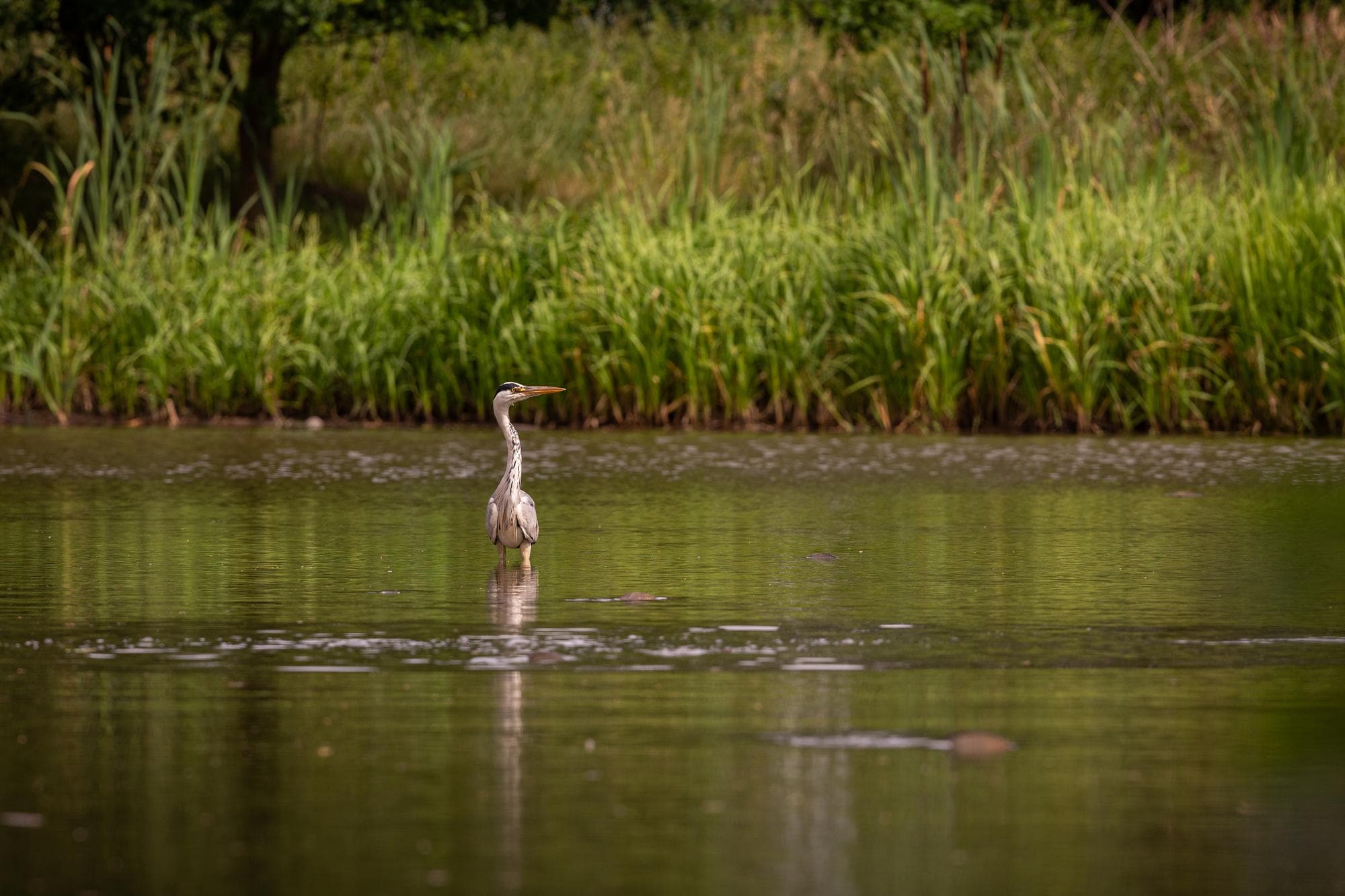
For the discerning traveller, this nexus of ecology and gastronomy offers a more profound journey than any checklist itinerary. Imagine: a pre-dawn boat ride on Kandy’s Mahaweli tributaries, learning to identify prawn habitats by water clarity and substrate; a lunch of udawa curry with roasted coconut and rampe leaves – where the cook explains how monsoon flows affect prawn migration; an afternoon tracing the Dutch Canal’s path to Muthurajawela, spotting purple herons while discussing wetland hydrology with a local naturalist; an evening at Ministry of Crab where the chef describes how lagoon salinity variations influence crab sweetness.
This isn’t tourism. It’s participation.
Sri Lanka’s waterways are at a crossroads. Climate change intensifies droughts and floods, testing river resilience. Yet hope flows in unexpected channels: community-based organisations now steward mangroves in every coastal village adjacent to lagoons (unfccc.int); Batticaloa’s bioluminescent lagoon tours fund conservation while showcasing nocturnal magic (ResearchGate); even urban Colombo is reimagining its canals as ecological corridors rather than drainage ditches (rda.sliit.lk).
The future of Sri Lankan seafood depends on these efforts. But so does something subtler: the island’s soul. When you taste a mud crab whose claws were sharpened in a thriving mangrove, or a giant river prawn that grew fat in oxygenated currents, you’re not just eating. You’re tasting a landscape cared for. You’re tasting continuity.
And that – more than any sunset view or temple visit – is the transformation worth curating.
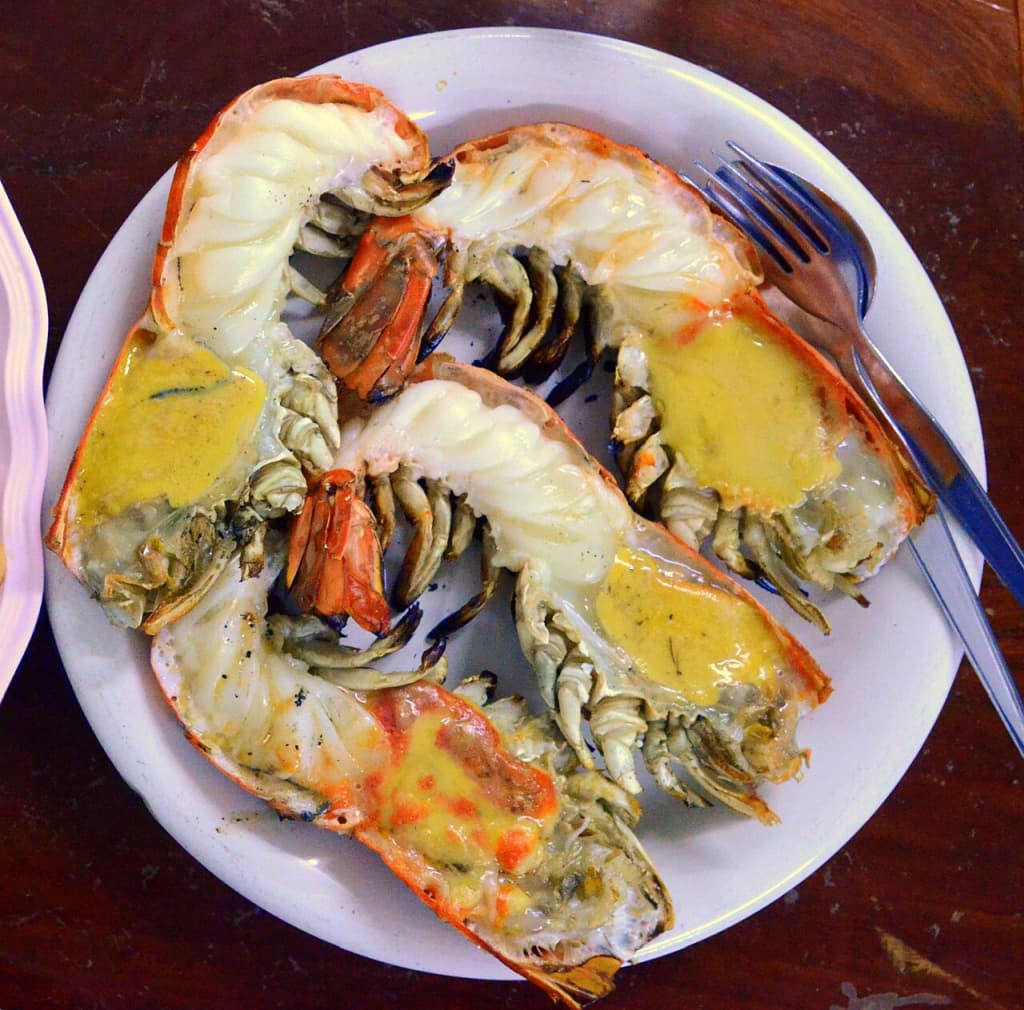
Note: Giant river prawn culinary significance: A superstar – highly prized for size, taste, and tomalley – a creamy rich shrimp butter taken from the digestive gland in its head.