Main Takeaways
Move beyond monument tourism: Heritage sites like Anuradhapura and Polonnaruwa reveal deeper meaning when experienced at quiet hours alongside locals, not as rushed photo stops.
Festivals are living rituals, not spectacles: Seek out pre-dawn preparations and community kitchens during events like Thai Pongal or Esala Perahera for genuine connection.
Crafts embody continuity: Engage directly with artisans – dumbara weavers, mask-carvers—to understand how tradition adapts without losing its soul.
Cultural layers define Sri Lanka: The island’s identity emerges from centuries of confluence – Sinhalese, Tamil, Muslim, Burgher – visible in food, language, and daily practice.
Immersion requires reciprocity: True connection comes through slowing down, accepting hospitality, and recognising that culture isn’t performed for visitors—it’s lived.
There’s a particular light that falls on the stone walls of Galle Fort just before dusk – not the golden hour photographers chase, but something quieter. The sun slants through Dutch-era louvres, catching dust motes dancing above a lace-maker’s hands in a shaded verandah. This is where cultural immersion begins: not in checklist tourism, but in the spaces between monuments, in the rhythm of daily ritual.
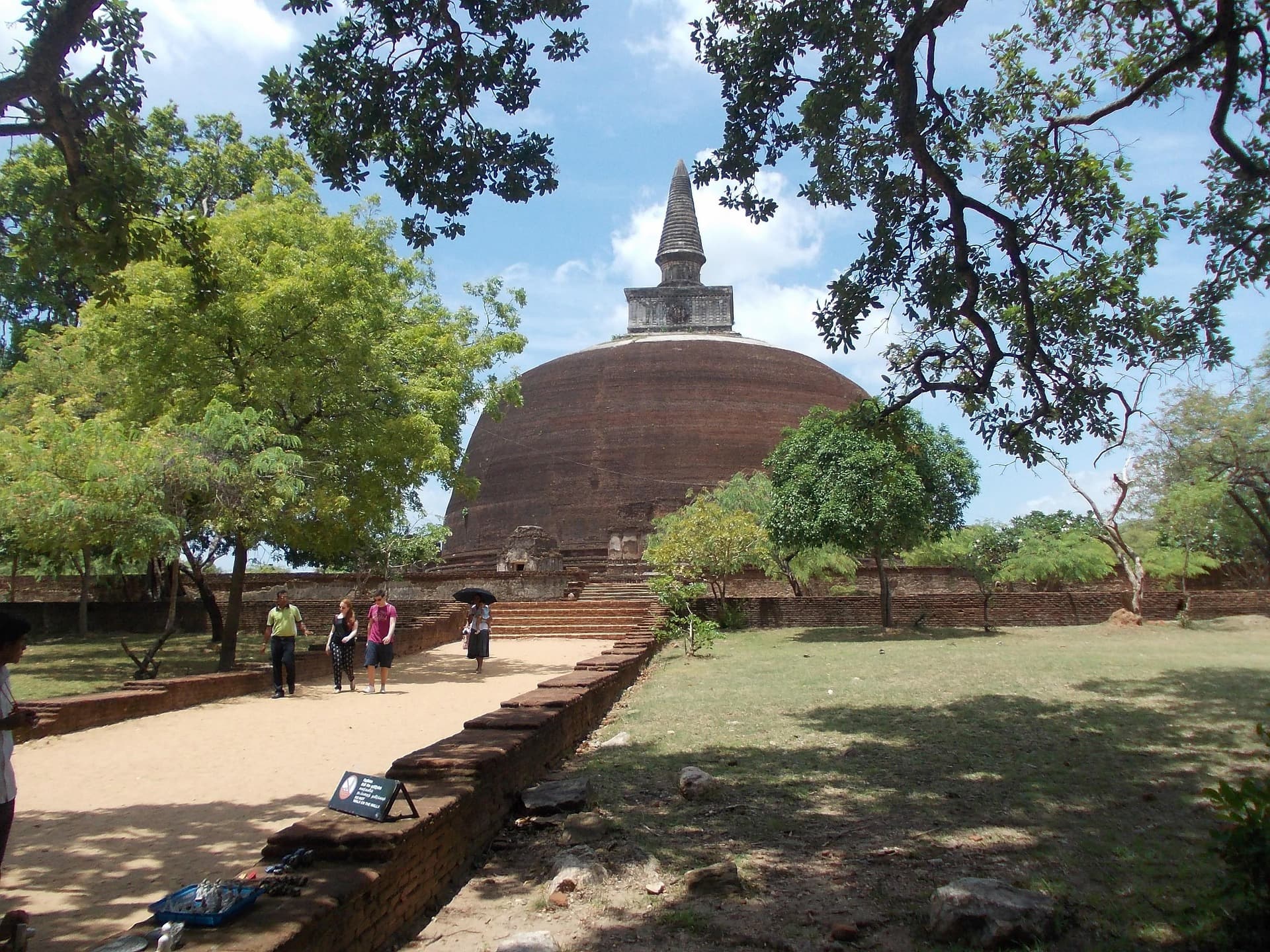
Sri Lanka’s heritage sites have long been framed as relics – ancient cities to be marvelled at from a respectful distance. But the new wave of traveller seeks something more porous: to step into history rather than observe it. At Anuradhapura, it’s not enough to circle the sacred Sri Maha Bodhi tree; it’s about sitting with pilgrims as they offer lotus buds at dawn, feeling the weight of 2,300 years of continuous worship. In Polonnaruwa, skip the tuk-tuk circuit. Rent a bicycle at first light, you might pedal past grazing elephants near the Parakrama Samudra reservoir, and arrive at the Gal Vihara as monks begin their chants – when the granite Buddhas seem to breathe with the morning mist.
Festivals offer another threshold. Yes, the Kandy Esala Perahera – with its fire-dancers and caparisoned elephants – is magnificent theatre. But linger beyond the main procession. In the side streets of Kandy, families prepare kavum and kokis (traditional treats) before dawn, their kitchens fragrant with rampeh (pandan) and coconut. Join them. Or travel further afield: Jaffna’s Thai Pongal, where Tamil communities boil the first rice of the harvest in clay pots until it overflows – a gesture of abundance offered to the sun god. These aren’t performances for outsiders; they’re living traditions where you’re invited to witness, not consume.
My own Burgher heritage – Dutch, Portuguese, Sinhalese, Tamil woven together since the 1600s – taught me that culture here has never been monolithic. It’s a layered thing. In Colombo’s Pettah market, you’ll hear Tamil hawkers, Muslim traders, and Sinhalese grandmothers bargaining over tea leaves in three languages. Follow the scent of roasting curry powder to a hidden kade (eatery) where a Moorish chef stirs a pot of lamprais – a dish born when Dutch Burgher housewives adapted Indonesian lemper using local spices, wrapped in banana leaves. This is heritage not as a museum piece, but as daily practice.
Crafts, too, reveal this living pulse. Near Matale, master dumbara weavers – mostly women – create intricate mats and wall hangings using techniques unchanged for centuries. But don’t just buy a souvenir. Sit with them. Watch how they split reeds with thumbnail precision, how patterns emerge not from sketches but from memory passed mother-to-daughter. In Ambalangoda, mask-carvers still channel kolam theatre spirits into wood, their workshops smelling of sandalwood shavings and turpentine. These artisans aren’t preserving a dying art; they’re adapting it – selling smaller pieces to travellers while still carving full ceremonial masks for village rituals.
The shift towards deeper cultural connection reflects a global hunger for meaning – but it demands reciprocity. Immersion isn’t about ticking off “authentic experiences.” It’s about slowing down. Staying in a family-run guesthouse in Kandy where your host insists you try wattalappam (jaggery custard) before breakfast. Accepting tea from a farmer while walking the Knuckles Range. Learning that ayubowan isn’t just “hello” – it’s “may you live long,” a blessing offered freely.
Sri Lanka’s true heritage isn’t confined to UNESCO tags or festival calendars. It’s in the way an old term like almirah is still widely used today – a Portuguese-derived term for cupboard – “armário.” It’s in the Catholic churches of Negombo where fisherfolk light oil lamps before statues of St. Sebastian, blending Portuguese devotion with coastal animism. This island’s story was never singular. It’s a palimpsest – Sinhalese chronicles beneath Dutch deeds beneath British railway maps – and the most rewarding journeys trace those layers with curiosity, not conquest.