Main Takeaways
Sustainability is non-negotiable: Sri Lanka’s 2026 target of 3 million tourists requires balancing growth with ecological and cultural preservation – overtourism risks eroding the island’s unique appeal.
Travel smarter, not harder: Prioritise off-peak seasons, lesser-known destinations, and accommodations that reinvest in local communities to reduce strain on popular sites.
Ethical choices drive impact: Support certified eco-lodges, hire local guides, and engage respectfully with culture – these actions ensure tourism benefits Sri Lankans directly.
Infrastructure and policy gaps remain: While new initiatives like the Responsible Tourism Charter are promising, reliable transport and waste management systems still need investment.
The true value lies beyond numbers: Sri Lanka’s magic is in its quiet, human moments – transformative experiences that thrive only when travellers act as stewards, not just consumers.
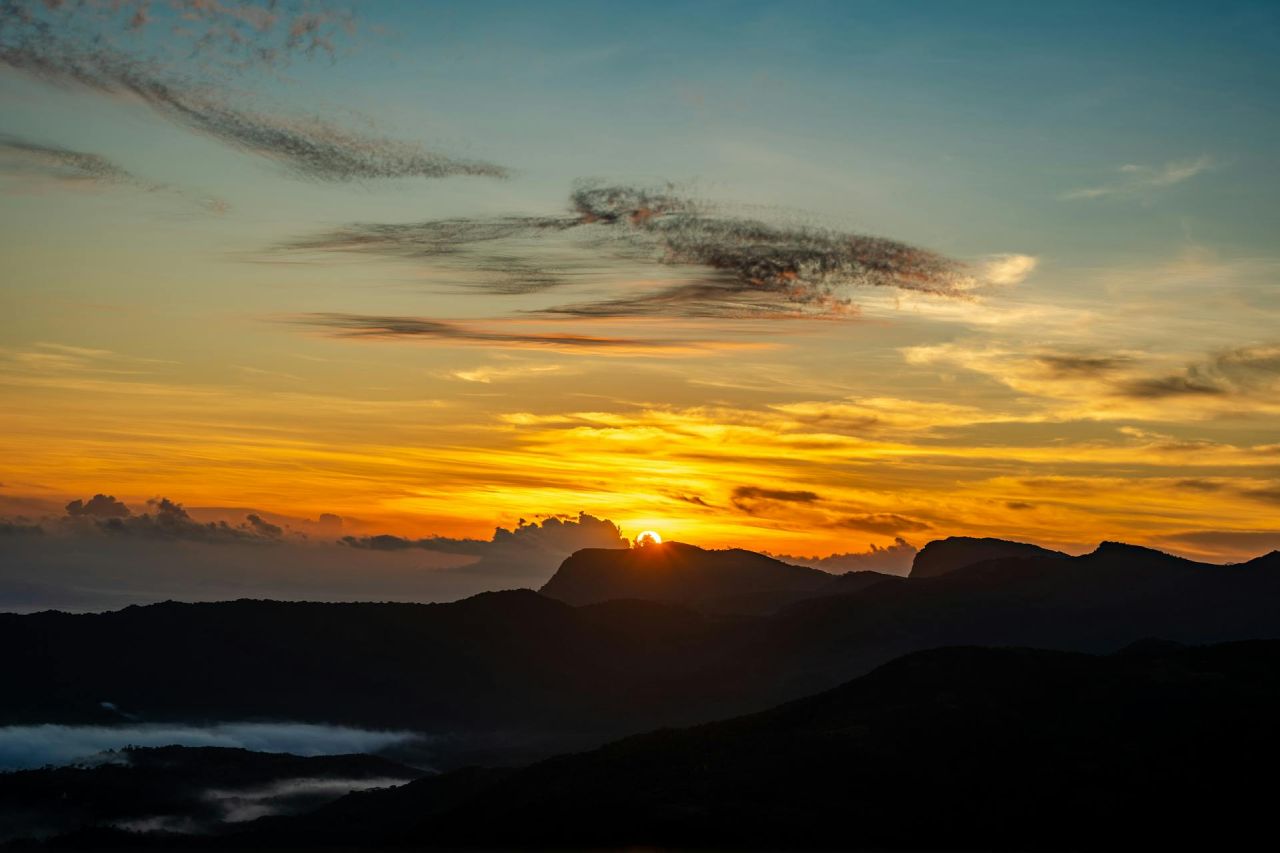
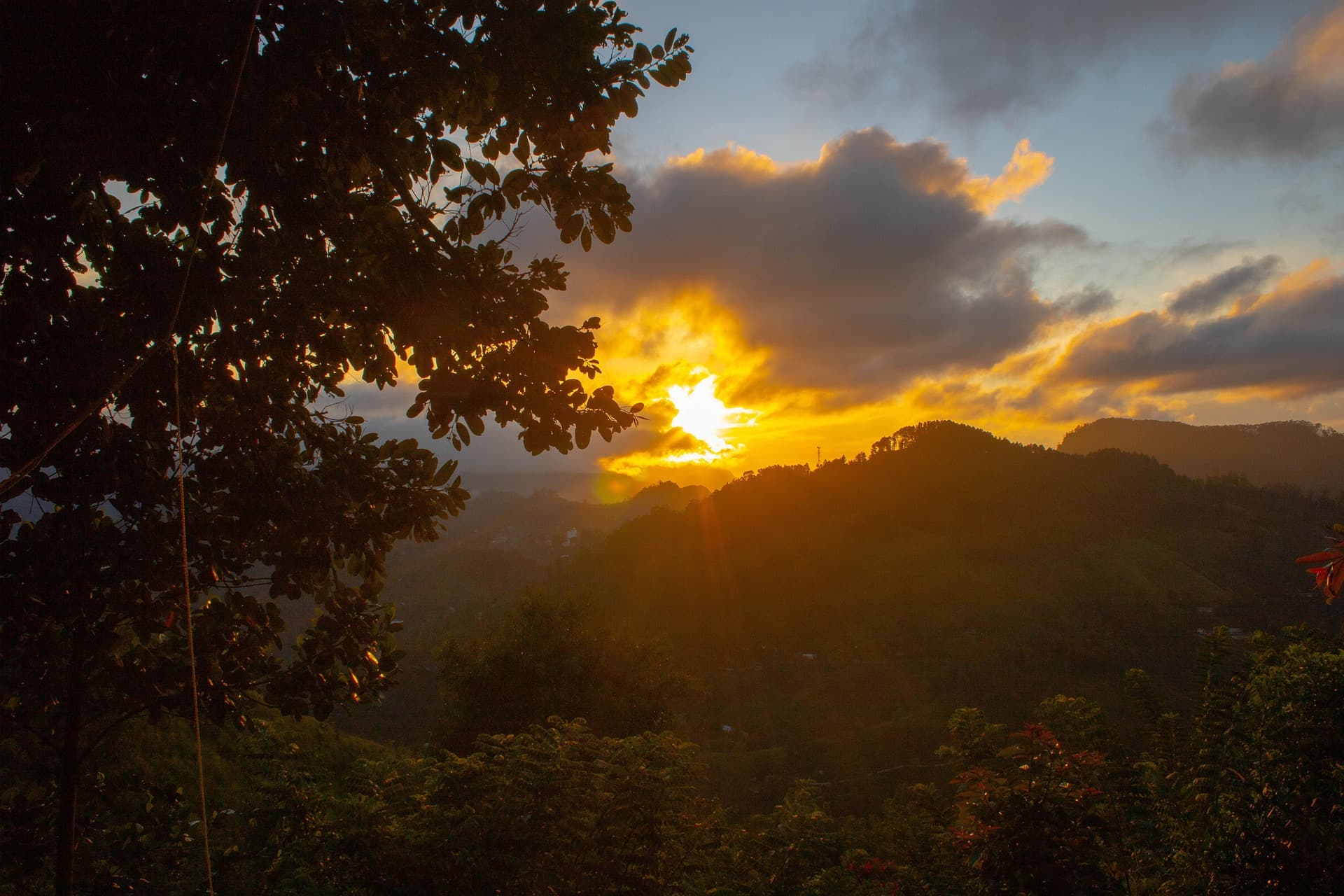
Picture this: dawn breaks over the misty hills of Ella, the air is crisp with the scent of baking pol rotti and wet earth. You’re sipping tea at the local café while waiting for your pittu and katta sambol, the fiery chilli relish that’s become your morning ritual. This isn’t the Sri Lanka you read about in glossy brochures – it’s the island in its quiet, unscripted moments. And it’s precisely these moments that Sri Lanka’s tourism industry is betting on as it aims for 3 million visitors in 2026.
After hitting a record 2.36 million arrivals in 2025, the government and industry players have set an ambitious target of 3 million for 2026. But behind the numbers lies a more nuanced reality. While officials speak of economic recovery and global appeal, seasoned travel insiders are cautiously optimistic – aware that growth without thoughtful management could erode the very authenticity that draws travellers here.
The Tightrope Walk: Growth vs. Preservation
Sri Lanka’s tourism sector is rebounding strongly, with 2025’s numbers surpassing pre-pandemic levels. Yet, the island still grapples with economic volatility and infrastructure strains. Hotels in Colombo and Galle are fully booked during peak season, but rural areas struggle with limited connectivity. The government’s focus on high-value tourism over mass-market packages is a step in the right direction, but balancing growth with preservation remains tricky.
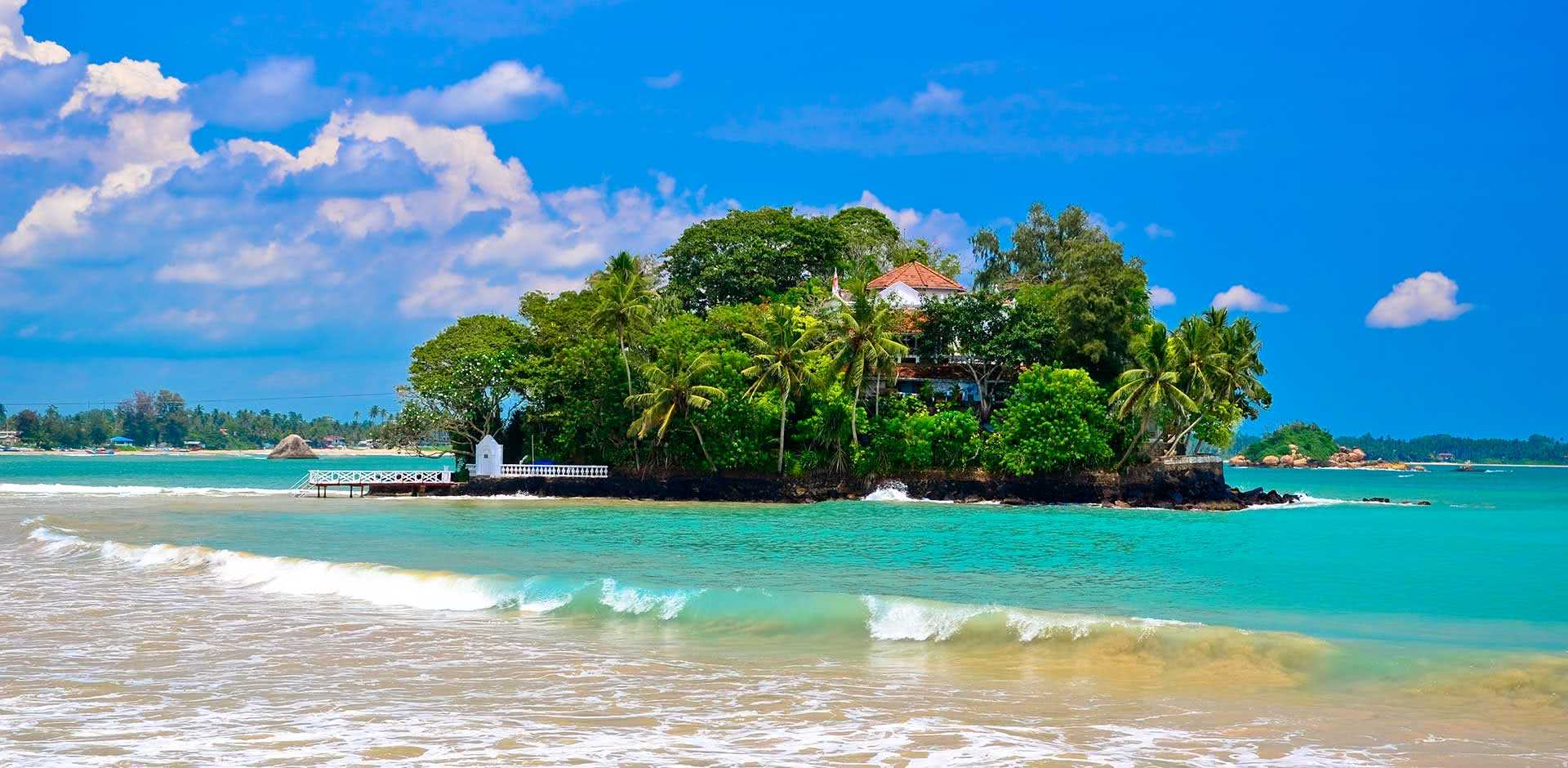
Take the south coast, for instance. While Mirissa and Unawatuna have long been staples for backpackers and luxury travellers alike, the influx of tourists has strained local ecosystems. Coral reefs near Galle have suffered from anchor damage, and plastic pollution has become a visible eyesore. But there’s hope: initiatives like the Sri Lanka Responsible Tourism Charter – now backed by over 200 businesses – are pushing for eco-certified accommodations, waste-reduction programs, and community-led conservation projects. As one Colombo-based tour operator put it, “We don’t just want more tourists; we want the right tourists.”
Beyond the Guidebooks: The New Ethos of Travel
This is where the true story unfolds. Beyond the official targets, a quieter movement is gaining momentum. Local guides like Devan, who’s been leading treks in the Sinharaja rainforest for two decades, now partners with ethical tour operators to ensure visitors don’t disturb the delicate ecosystem – he has seen enough of that. Boutique hotels like Wild Coast Tented Lodge in Yala are pioneering low-impact tourism, using solar power and hiring from nearby villages. Meanwhile, initiatives like “Tea Trails” in the Central Highlands invite travellers to stay in converted colonial planters’ bungalows while supporting local tea farmers directly.
The shift is tangible. According to the Sri Lanka Tourism Development Authority, eco-tourism now accounts for 15% of total arrivals – up from 8% in 2020. This isn’t just altruism; it’s strategic. As climate change threatens coastal areas and cultural sites, the industry realises that sustainability isn’t optional – it’s existential.
What Travelers Should Know: A Practical Guide
If you’re planning a trip to Sri Lanka in 2026, here’s how to align with this new ethos:
1. Seek the Hidden, Not the Hyped
Skip the crowded beaches of Arugam Bay during peak season. Instead, explore the quieter stretches of Nilaveli or Pasikudah, where local families still fish from wooden canoes. Visit the ancient city of Polonnaruwa early in the morning to avoid the crowds, or trek through the lesser-known Knuckles Mountain Range – a UNESCO-recognized biodiversity hotspot that’s far less touristy than Horton Plains. Hike the Pekoe Trail.
thepekoetrail.org/
2. Choose Accommodations That Give Back
Opt for stays that prioritise community and ecology. In Kandy, The Old Tea Kettle offers homestays where guests share meals with local families, while in Jaffna, The Fisherman’s Cove employs former fishermen as guides, ensuring tourism revenue stays within the community. Even luxury options like Ceylon Tea Trails (a Relais & Châteaux property) source ingredients from nearby estates and fund school scholarships for children in the region.
3. Travel Off-Peak, Stay Longer
Shoulder seasons (April-May and August-October) offer fewer crowds, lower prices, and a chance to experience festivals like the Esala Perahera in Kandy without the chaos. Staying longer also reduces your carbon footprint – opt for trains over flights between cities, and consider multi-destination itineraries that spread economic benefits across regions.
4. Engage Respectfully, Not Just Observingly
Learn a few Sinhala phrases (“Ayubowan” for “hello,” “Kohomada?” for “how are you?”), dress modestly at temples (cover shoulders and knees), and avoid touching Buddhist statues. Support local artisans by buying directly from cooperatives like Sri Lanka Handloom in Galle, rather than mass-produced souvenirs. And if you’re visiting cultural sites like Sigiriya, hire a certified guide – many locals know stories and histories not written in guidebooks.
5. Trust Platforms That Prioritise Ethics
The rise of ethical travel blogs and social media channels has transformed how people discover Sri Lanka. Platforms like GRANDPASS – curating experiences through partnerships with local guides, boutique stays, and hidden beaches – ensure your money supports communities, not just corporations. These spaces don’t just sell holidays; they curate transformation.
The Road Ahead: Challenges and Opportunities
Reaching 3 million tourists won’t be easy. Infrastructure gaps – like unreliable public transport in rural areas – could frustrate visitors. Environmental concerns, such as sea erosion and coral reef damage on the south coast, require urgent action. But there’s hope: Sri Lanka’s new National Tourism Policy prioritises sustainability, with plans to expand eco-certifications, invest in green infrastructure, and promote “slow travel” experiences that prioritise quality over quantity.
The industry also faces a delicate balance. While the government wants to attract high-spending tourists from Europe and North America, it must avoid replicating the mistakes of other destinations where overtourism has damaged cultural and natural heritage. The solution lies in collaboration: between policymakers, businesses, and – most importantly – travellers who understand their role in shaping the island’s future.
The Real Magic Isn’t in the Numbers
The 3 million target isn’t just a statistic – it’s a call to action. For Sri Lanka to thrive, tourism must be a force for good. As a traveller, your choices matter. By opting for ethical experiences, respecting local cultures, and venturing beyond the obvious, you become part of the solution.
Because the real magic of Sri Lanka isn’t in the statistics; it’s in the shared look of wonder when you spot a wild leopard in Yala, the taste of kiribath on a Sunday morning, or the sound of temple bells at dawn. These moments aren’t just experiences – they’re transformations. And that’s a legacy worth protecting.