Main Takeaways
Value redefined: European travellers prioritise experiential richness over luxury branding – Sri Lanka delivers depth per euro through extended stays, local immersion, and spontaneous discovery.
Safety as cultural warmth: Security isn’t just about low crime stats; it’s the palpable sense of communal care that allows Europeans to travel with relaxed vigilance, especially solo women and families.
Living culture > curated heritage: Europeans seek traditions practised daily – not museum exhibits. Sri Lanka’s multi-faith coexistence and organic cultural expressions offer authenticity increasingly rare in overtouristed Europe.
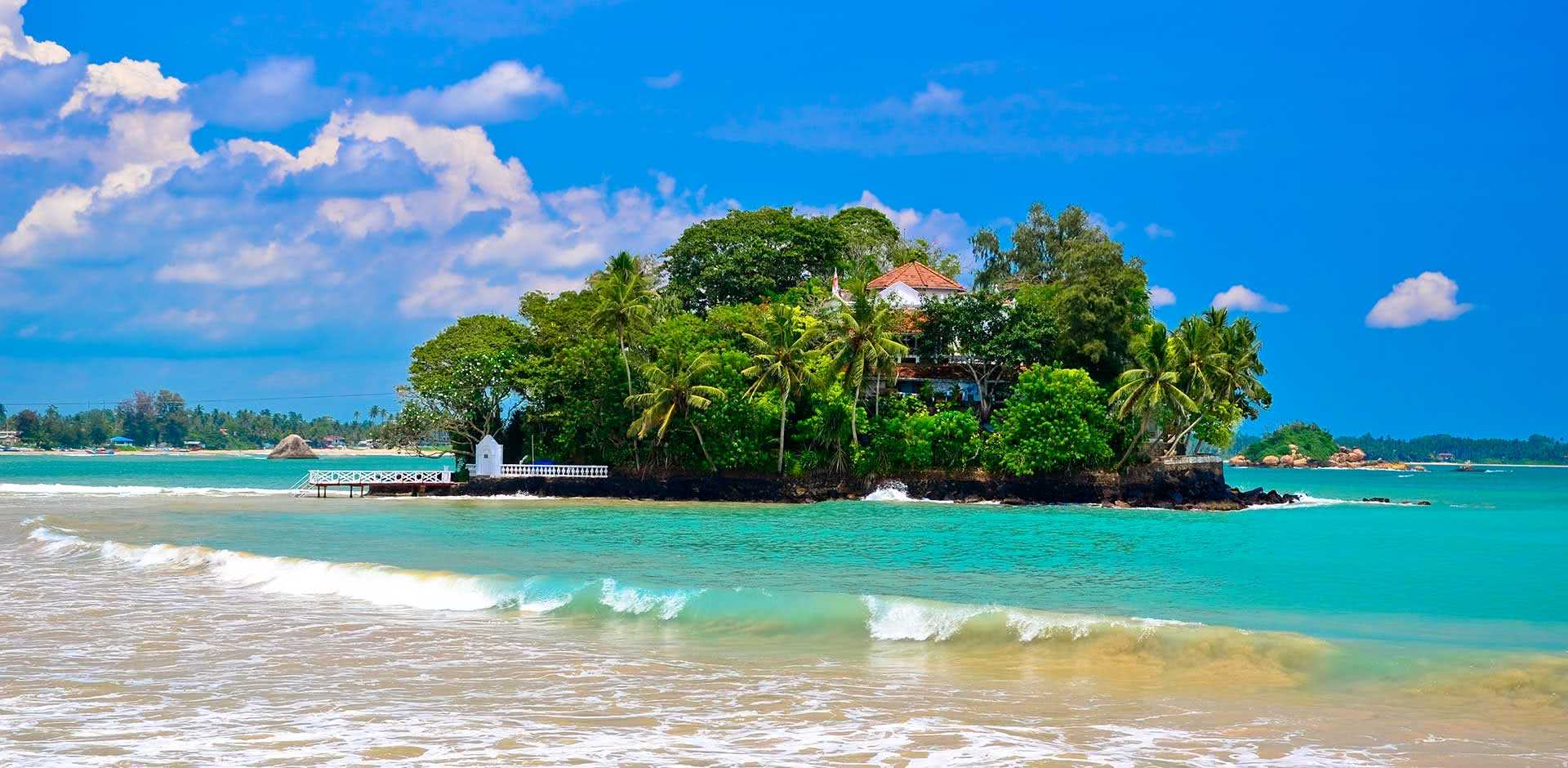
Compact diversity: The island’s small size enables rich geographical variety (beaches, mountains, wildlife) with minimal internal travel – appealing to eco-conscious Europeans minimising carbon footprints.
Post-crisis solidarity: Responsible European travellers are consciously supporting cyclone recovery through community-based tourism, extending stays in affected regions, and prioritising local ownership.
Beyond the honeymoon: Sri Lanka now attracts diverse European segments – digital nomads, cultural deep-divers, multi-generational families – signalling mature, sustained appeal beyond budget romance travel.
The window is now: With infrastructure improving but mass tourism not yet overwhelming, 2026 represents a sweet spot for Europeans seeking discovery before Sri Lanka’s inevitable evolution toward higher pricing and greater visitor volumes.

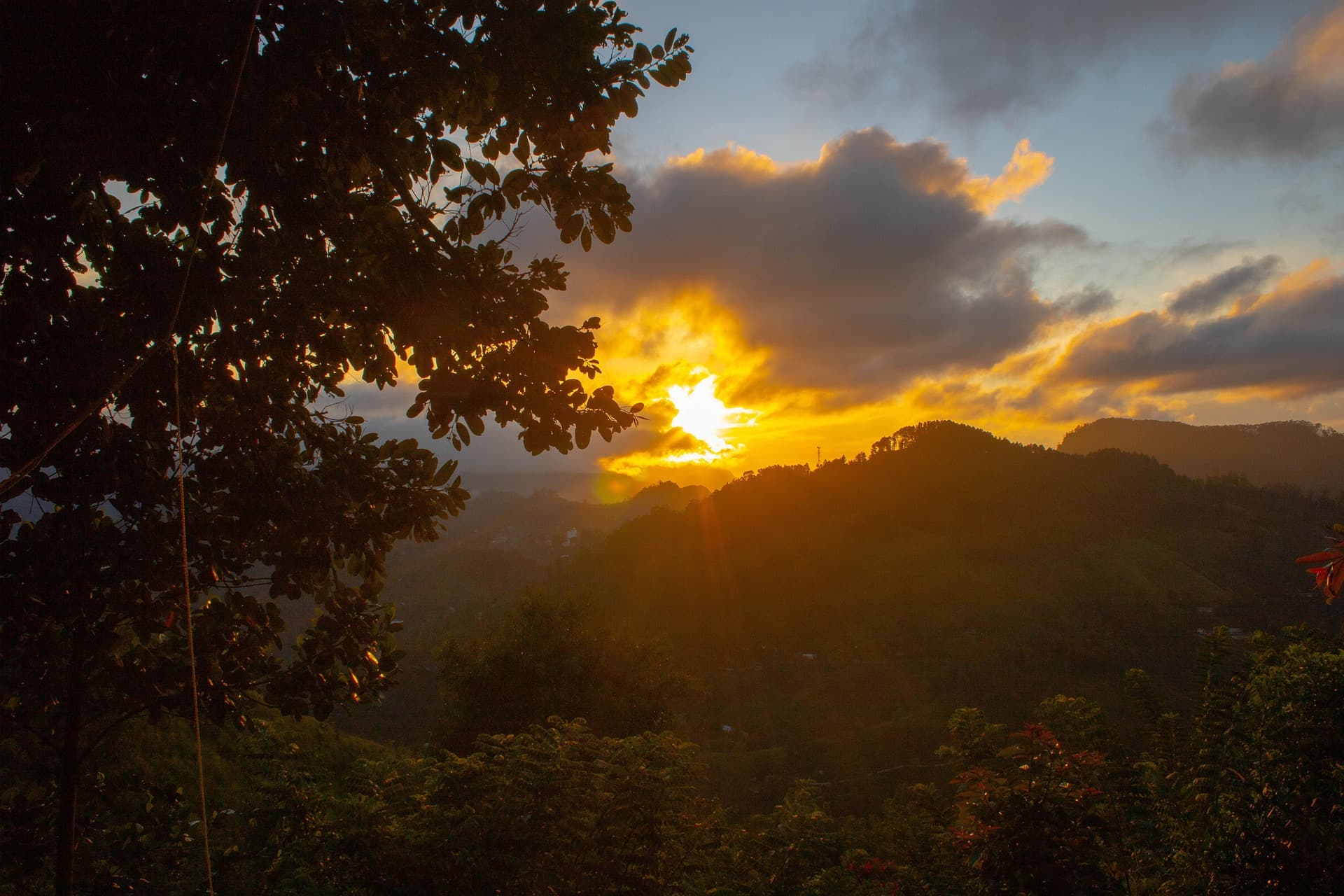
It begins with a spreadsheet. A German graphic designer, tired of waiting in two-hour queues for Lisbon’s tram 28, opens a new tab. She types “affordable Asia with good coffee” and within minutes, she’s watching a video of mist curling over Horton Plains at dawn. Three weeks later, she’s sipping single-origin Ceylon brew in a Nuwara Eliya café, the same price as a Berlin flat white – but with monkeys chattering in the garden and no one asking her to vacate the table after 45 minutes.
This isn’t an anomaly. Across Europe – from Stockholm to Seville – a quiet recalibration is underway. As overtourism chokes Venice’s canals and Barcelona’s residents protest short-term rentals, a new cohort of European travellers are choosing Sri Lanka not as a distant exotic fantasy, but as a pragmatic antidote to travel fatigue. They’re not chasing Instagram clichés. They’re seeking space, value, and authenticity – three currencies that have become dangerously scarce on the Continent.
The Value Equation That Actually Adds Up
Let’s talk numbers without reducing travel to arithmetic. A couple can enjoy a private driver, boutique stays, and fresh seafood feasts for a week across Sri Lanka for roughly the cost of a long weekend in Paris – including flights from major European hubs. But affordability here isn’t about deprivation; it’s about expansion. That same budget buys you ten days instead of three. It buys spontaneity – the freedom to linger in Galle Fort because you stumbled upon a bookshop with first-edition Leonard Woolfs, not because your timed-entry ticket expires in 20 minutes.
Post-pandemic Europeans have recalibrated their relationship with value. They’re no longer impressed by luxury for luxury’s sake. They want meaning per euro. And Sri Lanka delivers: a cooking class in a Kandy home costs less than a cocktail in Mykonos, yet yields memories that linger long after the tan fades. A train ride through tea country – first class, windows open, hills unfolding like a green scroll – costs around €5. The experience? Priceless. This isn’t poverty tourism; it’s intelligent travel where your rupee stretches not to exploit, but to deepen engagement.
The Safety Paradox: Why “Off-the-Beaten-Path” Feels Secure
European travellers in 2026 aren’t naive adventurers. They’re discerning. They’ve read headlines about global instability. Yet they’re choosing Sri Lanka precisely because it offers something rare: the thrill of discovery without the anxiety of unpredictability.
Sri Lanka’s safety narrative has matured beyond simplistic “friendly locals” tropes. It’s about infrastructure that works – decent roads, reliable transport, English widely spoken outside tourist bubbles. It’s about a culture where solo female travellers from Finland or France can take a tuk-tuk at night without clutching their bags tighter. It’s about a society that, despite economic turbulence and climate shocks like Cyclone Ditwah, maintains a profound dignity of care – the fisherman who walks you back to your guesthouse because “the path is dark,” the tea planter who insists you meet his grandmother because “visitors should see our real life.”
This isn’t performative hospitality. It’s cultural DNA. And for Europeans weary of transactional tourism, it feels like coming up for air.
Cultural Depth Without the Museum Fatigue
Europeans don’t need another history lesson – they live atop layers of it. What they crave is living culture: traditions not preserved behind glass, but practised in daily rhythm. In Sri Lanka, they find it.
They witness Vesak lanterns being hand-painted by families in Colombo suburbs – not for tourists, but as devotion. They hear Tamil hymns drift from a Hindu temple while Buddhist chants echo from a nextdoor vihara – a harmony of faiths that feels radical in today’s polarised world. They taste the legacy of colonialism not in sanitized heritage sites, but in the authentic lamprais served at a Dutch Burgher Union at Thummulla Junction – food as living archive.
This cultural immersion requires no checklist. It unfolds in the spaces between plans: sharing betel leaf with an elderly woman on a train, learning why certain trees are sacred, understanding how monsoon rhythms dictate life more than any calendar. For Europeans accustomed to curated experiences, this organic cultural exchange feels revolutionary.
The Climate-Conscious Shift
A quieter factor driving European interest: Sri Lanka’s compact geography. You can traverse rainforest, beach, and highlands in under six hours – minimising internal flights while maximising diversity. For eco-conscious travellers calculating carbon footprints, this efficiency matters. Combined with the island’s growing network of solar-powered eco-lodges and community-based tourism initiatives, Sri Lanka offers a template for regenerative travel that Europe is still learning to scale.
Beyond the Honeymoon Narrative
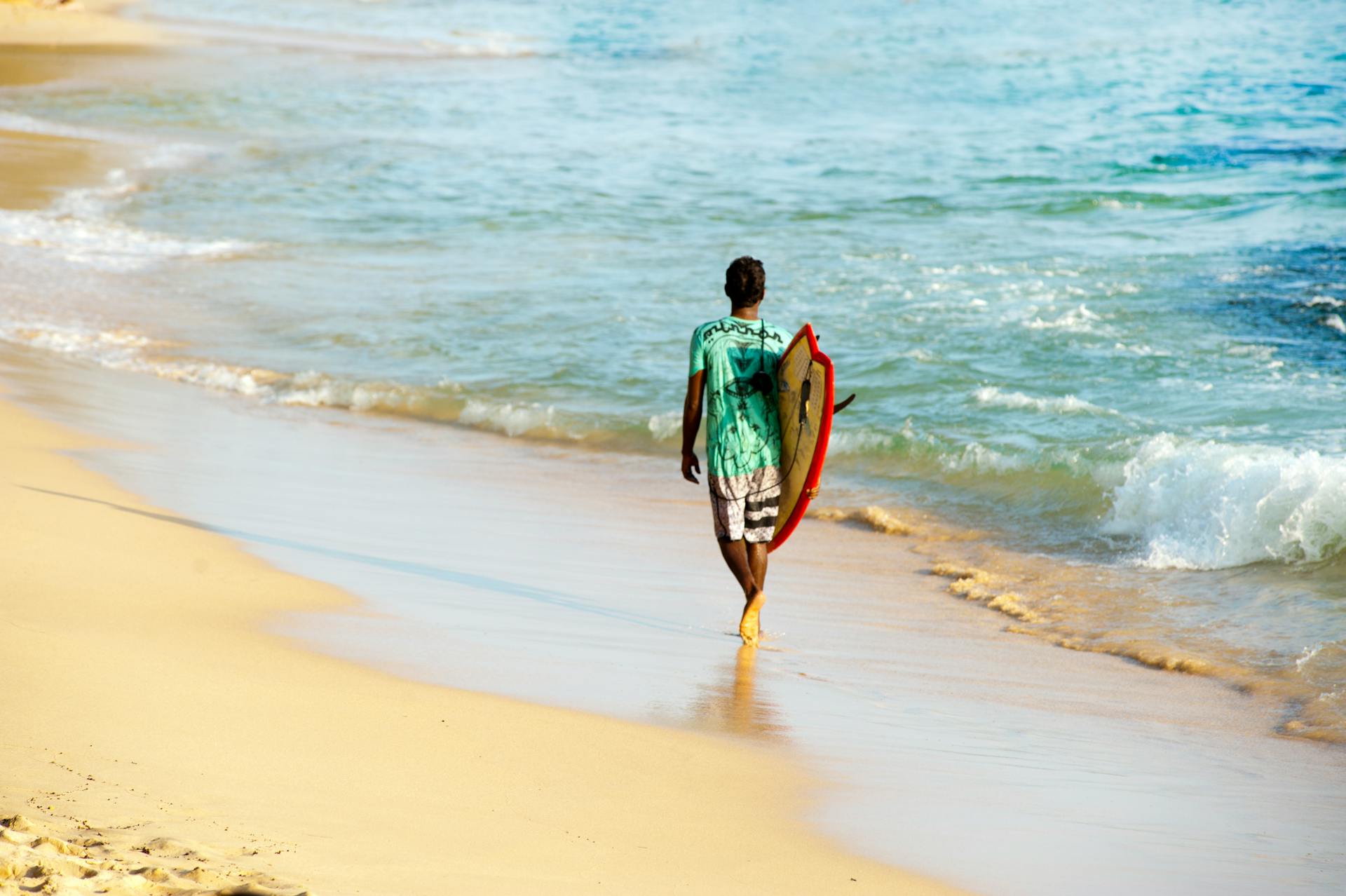
Sri Lanka’s European appeal has evolved beyond the “affordable honeymoon” stereotype. Digital nomads from Amsterdam set up laptops in Weligama beach shacks with fibre optic internet. Retirees from Switzerland spend winters volunteering with turtle conservation projects. Families from Denmark choose homestays over resorts, letting their children learn cricket from village kids rather than splashing in infinity pools.
This diversity of engagement signals maturity. Sri Lanka isn’t Europe’s budget alternative – it’s becoming its thoughtful counterpart. A place where travel still feels like discovery, not consumption.
The Invitation Remains Open
As Cyclone Ditwah’s recovery continues into 2026, European visitors aren’t arriving as disaster tourists. They’re coming with awareness – choosing locally owned accommodations, extending stays in affected regions like the East Coast, understanding that their presence supports resilience. This isn’t charity; it’s solidarity wrapped in shared humanity.
Sri Lanka won’t stay this accessible forever. As infrastructure improves and word spreads, prices will rise. But for now – in this fragile, hopeful moment of 2026 – Europeans have discovered something precious: a destination that still treats visitors as guests, not revenue streams. Where a conversation with a stranger can reroute your entire day. Where the greatest luxury isn’t thread count – it’s time.
And in a Europe racing toward homogenisation, that might be the most radical souvenir of all.