Main Takeaways
Niche targeting beats mass appeal: SLTDA’s focus on spiritual, marine, and culinary segments attracts travellers seeking identity-aligned experiences – not generic vacations.
Authenticity as strategy: Campaigns showcase unpolished, human moments (monsoon rains, community recovery) rather than stock imagery – building trust with discerning travellers.
Partnerships over promotions: Deep collaboration with ethical operators ensures marketing drives revenue directly to communities, aligning with sustainable tourism values.
Resilience as narrative: Post-cyclone messaging frames recovery as dignified rebirth – positioning travellers as respectful witnesses rather than disaster tourists.
Metrics that matter: Success measured by length of stay, rural spend, and repeat visitation – not just headcounts – reflects commitment to quality over quantity.
The transformation imperative: Marketing that curates meaningful experiences creates traveller-ambassadors who organically extend Sri Lanka’s reach – proving that the most powerful campaigns happen after visitors return home.
Beyond the Brochure: How Sri Lanka’s Marketing Got Smarter in 2026
Remember when Sri Lanka’s tourism ads all looked the same? Golden beaches. Smiling elephants. A single line about “shining eyes.” It was beautiful – but it was beige. Generic. The kind of marketing that attracts bodies, not souls.
2026 marks a quiet revolution. The Sri Lanka Tourism Development Authority (SLTDA) has finally stopped shouting “Visit us!” into the algorithmic void and started whispering the right words to the right travellers. The shift isn’t about bigger budgets – it’s about sharper listening. Instead of casting a wide net for generic tourists, Sri Lanka is now curating conversations with those who’ll truly see the island: the yogi seeking silence in a forest monastery, the marine biologist dreaming of whale sharks off Trincomalee, the food anthropologist hungry for crab curry made by a grandmother in Jaffna.
This isn’t tourism marketing anymore. It’s match-making.
The Niche Is the New Mass
SLTDA’s 2026 playbook reads like a psychologist’s notes on modern wanderlust. They’ve identified that today’s travellers don’t want destinations – they want identities. “I’m a spiritual seeker” or “I’m an ocean conservationist” matters more than “I want a holiday.” You can see these things on LinkedIn profiles.
Hence the laser focus on niches that align with Sri Lanka’s authentic strengths:
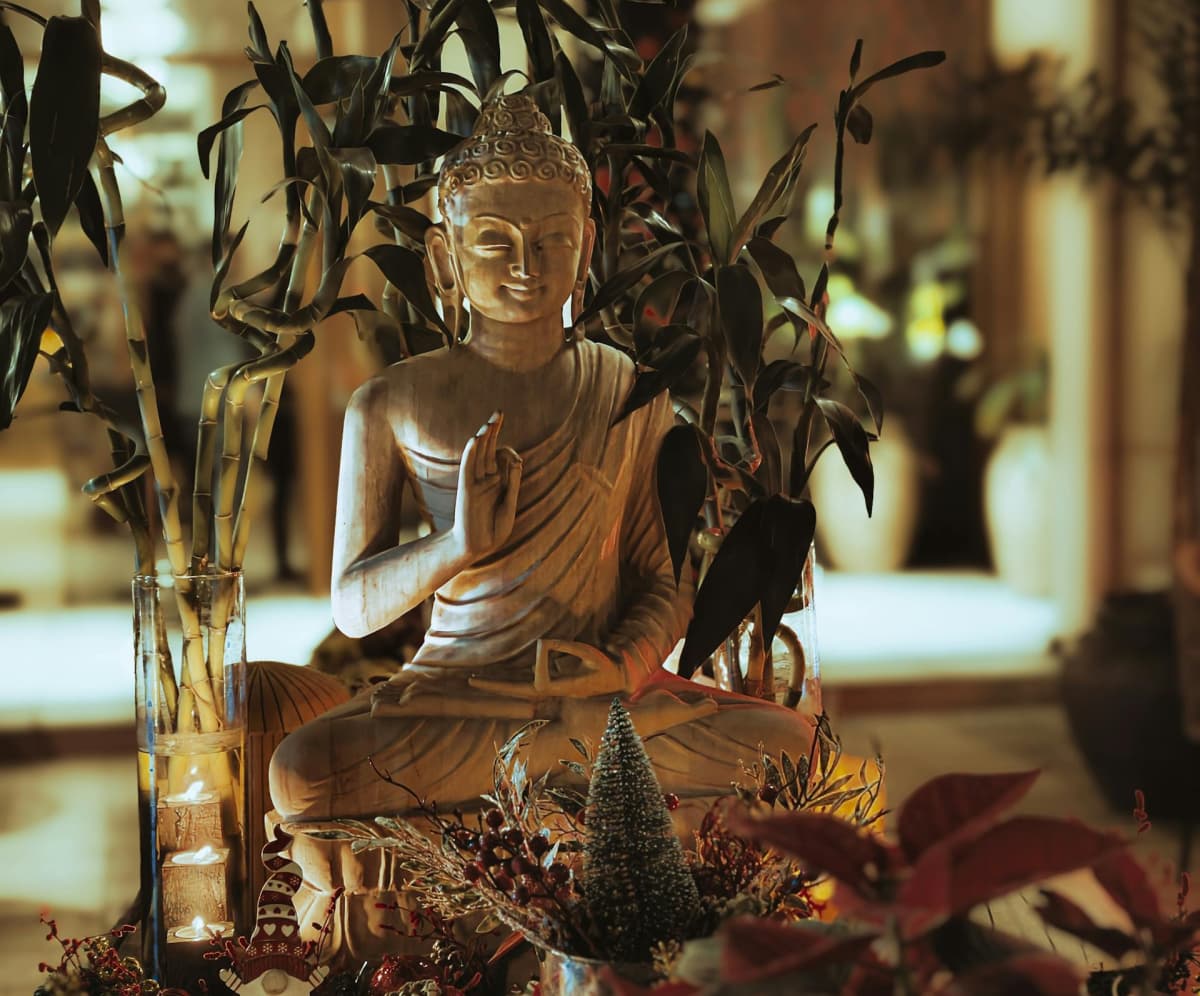
Spiritual tourism campaigns now bypass generic “meditation retreat” imagery. Instead, they showcase the pre-dawn climb of Adam’s Peak – not as an Instagram backdrop, but as a 5,500-step dialogue between breath and belief. Content partnerships with mindful travel platforms highlight temple stays where guests sweep courtyards alongside monks, not just pose with them. The message? Come not to consume spirituality, but to participate in it.
Marine tourism has evolved beyond “whale watching season.” New digital campaigns spotlight Trincomalee’s coral restoration projects, inviting travellers to snorkel alongside marine biologists replanting reefs damaged by Cyclone Ditwah. It’s tourism with purpose – where your entry fee funds conservation and your holiday becomes stewardship.
Even culinary tourism has matured. Instead of listing “must-try dishes,” SLTDA collaborates with food storytellers to trace the journey of a single ingredient: how cinnamon from a Haldummulla estate seasons a fish curry in Batticaloa, reflecting centuries of cultural exchange. This isn’t food porn – it’s edible history.
The Partnership Pivot
Crucially, SLTDA isn’t going it alone. They’ve embraced a model that echoes “The Project” ethos: tourism as transformation, not transaction. Rather than flooding OTAs with discount packages, they’re forging deep partnerships with ethical operators – boutique stays, community-based guides, conservation NGOs – who share a commitment to sustainable engagement.
These aren’t sponsorships. They’re alignments. When a Berlin-based wellness platform promotes a meditation retreat in Nilambe, SLTDA ensures the monastery receives direct bookings – not just brand exposure. When a marine conservation collective in Pasikudah hosts travellers, a portion of revenue flows into cyclone recovery efforts. The marketing message becomes self-reinforcing: Your visit matters beyond your stay.
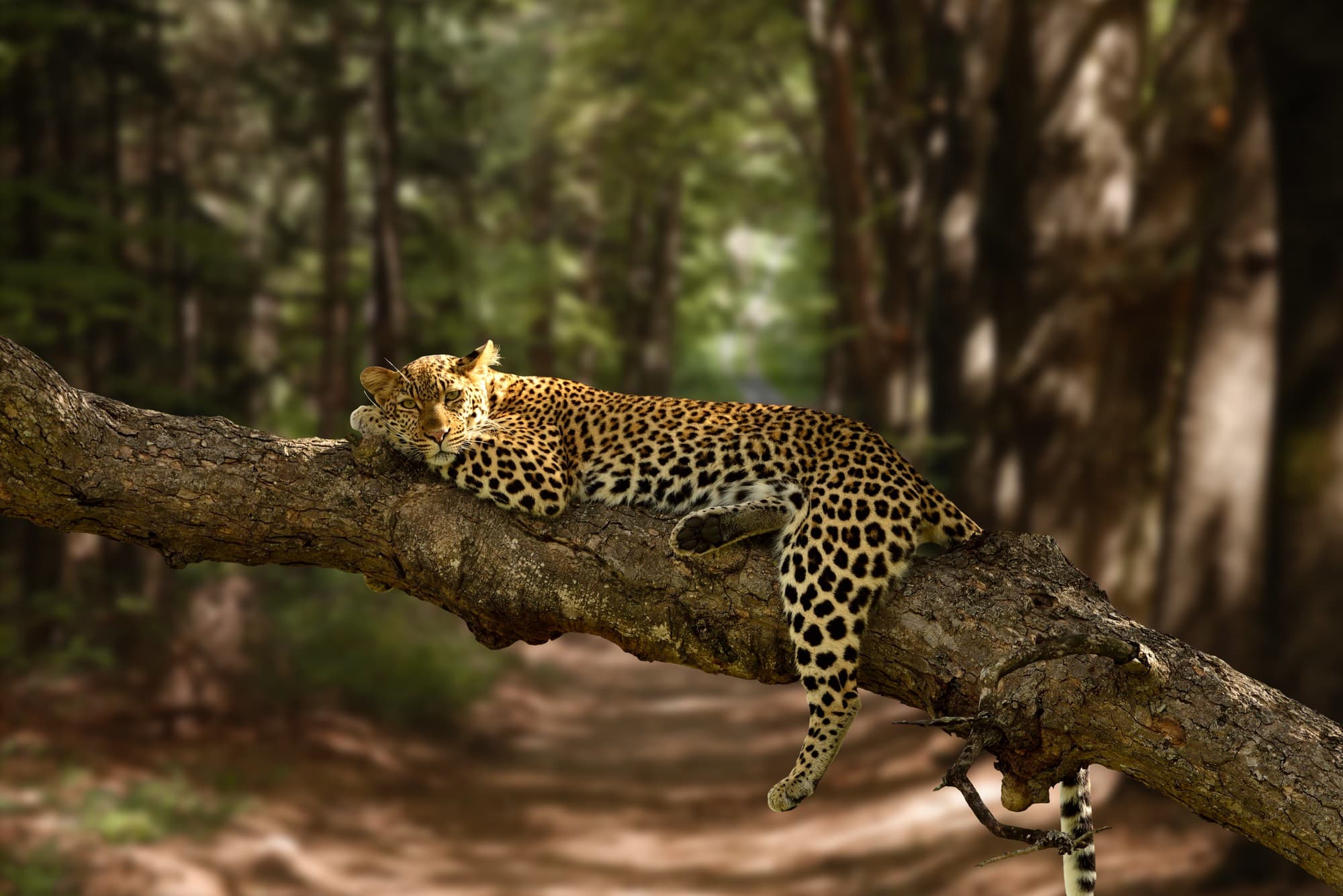
Social media strategy has followed suit. Gone are the stock-photo reels of empty beaches. In their place: unpolished moments – monsoon rain on a Kandy temple roof, fisherman hauling nets at dawn, the shared silence between strangers watching a leopard cross a Yala path. These aren’t staged. They’re curated – carefully selected to reflect the Sri Lanka that exists beyond guidebooks. The one that lives in quiet moments.
The Quiet Confidence of Post-Crisis Marketing
Perhaps most telling is what SLTDA isn’t doing. No desperate discounting after Cyclone Ditwah. No defensive messaging about safety. Instead, a quiet confidence: Sri Lanka’s resilience is the story. Campaigns acknowledge the cyclone’s impact while highlighting community-led recovery – positioning travellers not as saviours, but as respectful witnesses to rebirth.
This honesty resonates deeply with European travellers fatigued by overtourism and greenwashing. They’re choosing Sri Lanka precisely because its marketing feels human – not corporate. When an ad shows a local artisan weaving baskets from salvaged cyclone debris, it doesn’t say “Help us.” It says: Witness how we rebuild. Walk beside us.
The Real Metric of Success
SLTDA’s new KPIs reflect this maturity. They’re tracking not just visitor numbers, but length of stay, spend in rural communities, and repeat visitation. Because they now understand what “The Project” knows instinctively: transformational travel creates ambassadors. The German designer who spends ten days tracing tea trails doesn’t just post sunset pics – she returns next year with friends. She writes about Sri Lanka’s rhythm in her Substack. She becomes part of the island’s story.
That’s the ultimate marketing win: when travellers stop being consumers and start becoming curators of Sri Lanka’s narrative themselves.
In 2026, Sri Lanka isn’t selling holidays. It’s extending invitations – to those ready to trade checklist tourism for something quieter, deeper, and far more lasting. And in an age of travel fatigue, that whisper cuts through the noise louder than any billboard ever could.