Main Takeaways
Experience authentic ayurveda rooted in local traditions and sustainability, not commercialised spa culture.
Support community-led wellness initiatives that benefit Sri Lankan families and ecosystems through hands-on participation.
Learn how to integrate regenerative practices into your own wellness routine through direct engagement with traditional healers.
Discover the healing power of Sri Lanka’s natural resources beyond superficial luxury, with deep cultural and ecological context.
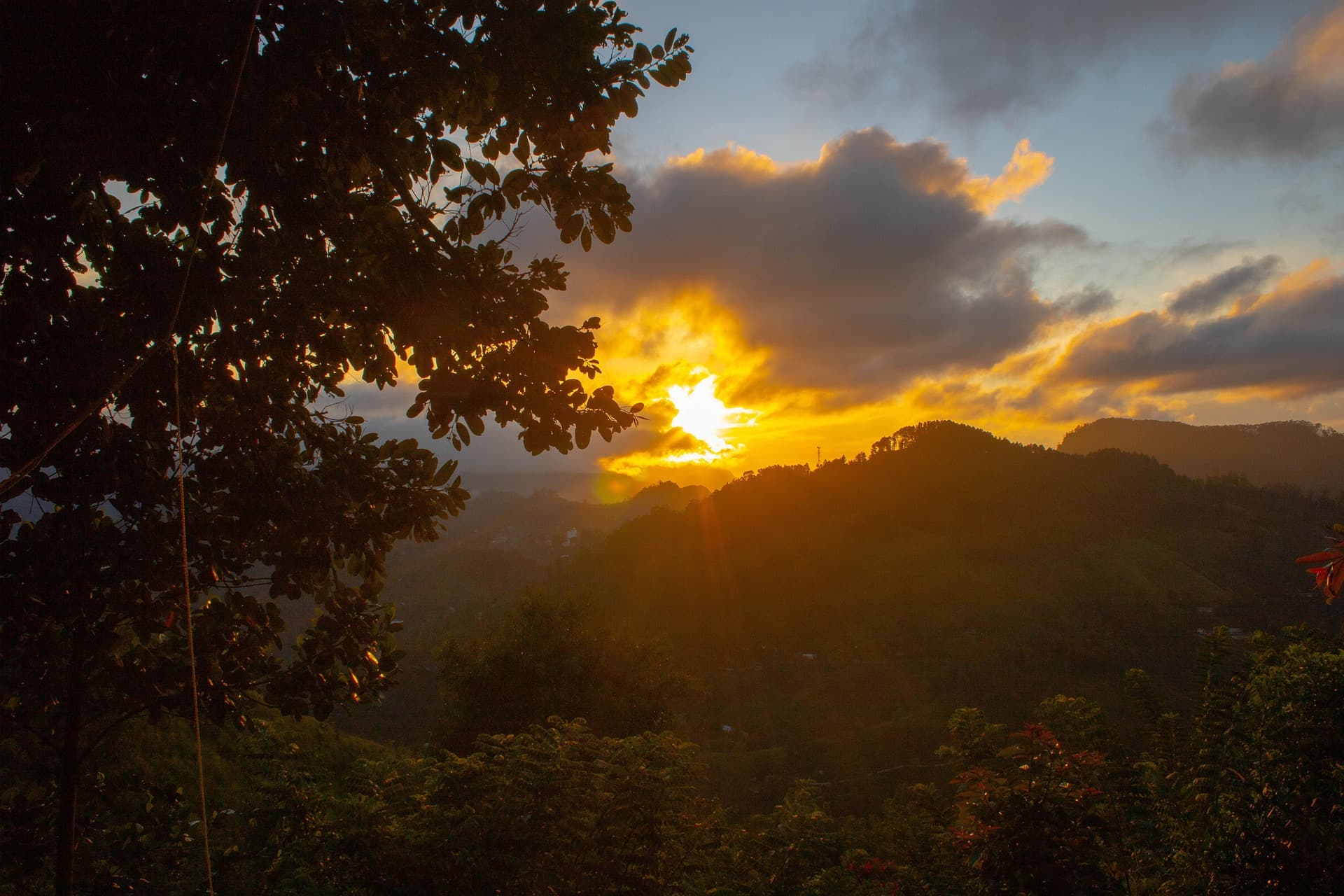
The morning sun filters through the thatched roof of the retreat, casting dappled light on clay pots of fresh herbs. I’m in a small village near Kandy, where the air smells of lemongrass and neem. This isn’t a five-star spa; it’s a community-run ayurvedic centre where healing is woven into daily life.
Ayurveda in Sri Lanka is often reduced to luxury resorts with imported oils and generic treatments. But here, everything is local and tailored to each guest. The herbs in the steam baths are grown in the retreat’s organic garden – turmeric from a nearby farm, sandalwood from a cooperative of smallholders. The oils are pressed on-site using traditional methods. “We don’t buy anything we can’t trace back to a farmer,” says Dr. Malini, the centre’s founder, as she crushes fresh ginger for a kashaya (herbal decoction). “This isn’t just wellness – it’s reciprocity.”
The retreat operates on a simple principle: if it doesn’t benefit the land or the people, it doesn’t belong here. Guests participate in morning rituals like planting turmeric seedlings or helping to harvest curry leaves. “You don’t just receive treatment – you become part of the process,” explains Malini. A typical day might include a pizhichil (oil massage) using locally sourced herbal oil, followed by a healthy meal tailored specially for you – made with vegetables from the garden. The menu changes daily based on what’s in season, reducing waste and supporting local produce.
Sustainability is embedded in every detail. The retreat uses solar power for heating water, composts all organic waste, and trains young locals in traditional healing practices. “We’ve trained 15 villagers as therapists,” Malini says. “They’re learning skills that will last a lifetime, not just for tourists but for their own communities.” Unlike commercial spas that import ingredients from abroad, this place is rooted in the land and its people.
What struck me most was the absence of pretence. There are no gold-plated treatment rooms or Instagrammable backdrops – just a simple wooden hut with a view of the hills. During a consultation, Malini asked about my sleep patterns and stress levels, then prescribed a pancha karma detox using herbs from local hills. “Ayurveda isn’t about fixing you,” she said. “It’s about understanding your connection to the world around you.”
As I sipped a cup of black tea after the treatment, I realised this was the future of wellness: not luxury for luxury’s sake, but healing that gives back. The retreat’s guests – mostly young professionals from Europe and Australia – leave not just relaxed, but inspired to apply these principles at home. “We teach them to grow their own herbs, to eat seasonally, to relax and be mindful, and stay healthy,” Malini said. “That’s real transformation.”
The retreat’s garden is a living archive of Sri Lankan herbal medicine. They showed me neem trees, their leaves used for skin treatments, and fed me gotu kola, a herb that boosts mental clarity. “These plants have been used for centuries,” she said. “But modern medicine has forgotten them.” She gestured to a patch of cinnamon bushes. “This isn’t grown for spice – it’s medicine. And it’s grown by families who’ve been cultivating it for generations.”
One morning, I joined a group of guests harvesting turmeric. The earth was soft underfoot, the air thick with the scent of fresh roots. “You’ll never look at turmeric the same way again,” said Anjali, a young guest from London. “This isn’t just a treatment – it’s a relationship.” As we dug up the roots, a local farmer explained how his family has grown turmeric for over 100 years. “We don’t just sell it,” he said. “We share it.”
The retreat’s impact extends beyond wellness. Revenue funds a local school kitchen, and a scholarship program for local students studying traditional medicine. “We’re not just healing bodies,” Malini said. “We’re healing our community.”
As I left, I carried more than just a sense of calm. I carried a new understanding: true wellness here isn’t a luxury – it’s a relationship with the land and its people.