Main Takeaways
Authentic adventure in Sri Lanka emerges from cultural immersion and ecological awareness – not just physical challenge
The island’s lesser-known trails (Knuckles Range, Walawe corridors, Dutch Canal wetlands) offer transformative experiences beyond mainstream tourism
Local knowledge – whether from farmers, trackers, or monks – transforms adventure from transactional to transcendent
Adventure travel here carries ethical weight: respecting sacred sites, wildlife corridors, and community livelihoods is non-negotiable
The most memorable moments often occur in quiet interludes between adrenaline peaks – shared meals, silent observations, unplanned encounters
Sri Lanka rewards slow travel: rushing through landscapes means missing their layered stories
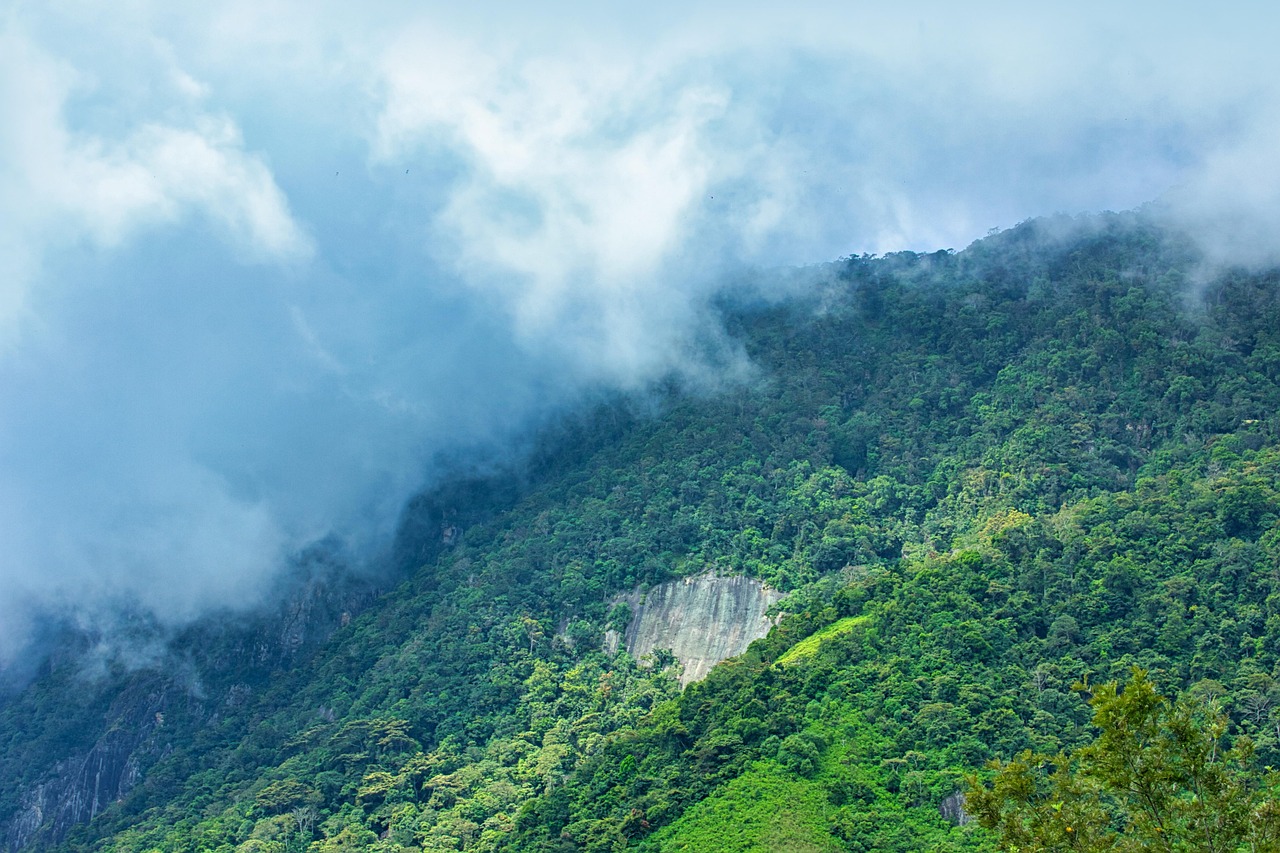
The rope bridge swayed like a question mark over the Mahaweli’s emerald throat. Below, the river carved through the Knuckles Mountain Range – a UNESCO-recognised labyrinth of peaks that look, from certain angles, like a giant’s clenched fist. My friend, a Sinhalese man named Rohan with eyes the colour of wet river stone, didn’t glance down. “Breathe with the bridge,” he said. “It’s not fighting you. It’s testing your rhythm.”
This was my third day walking Sri Lanka’s less-trodden paths, and already I understood: this adventure isn’t about conquering landscapes. It’s about learning their cadence.
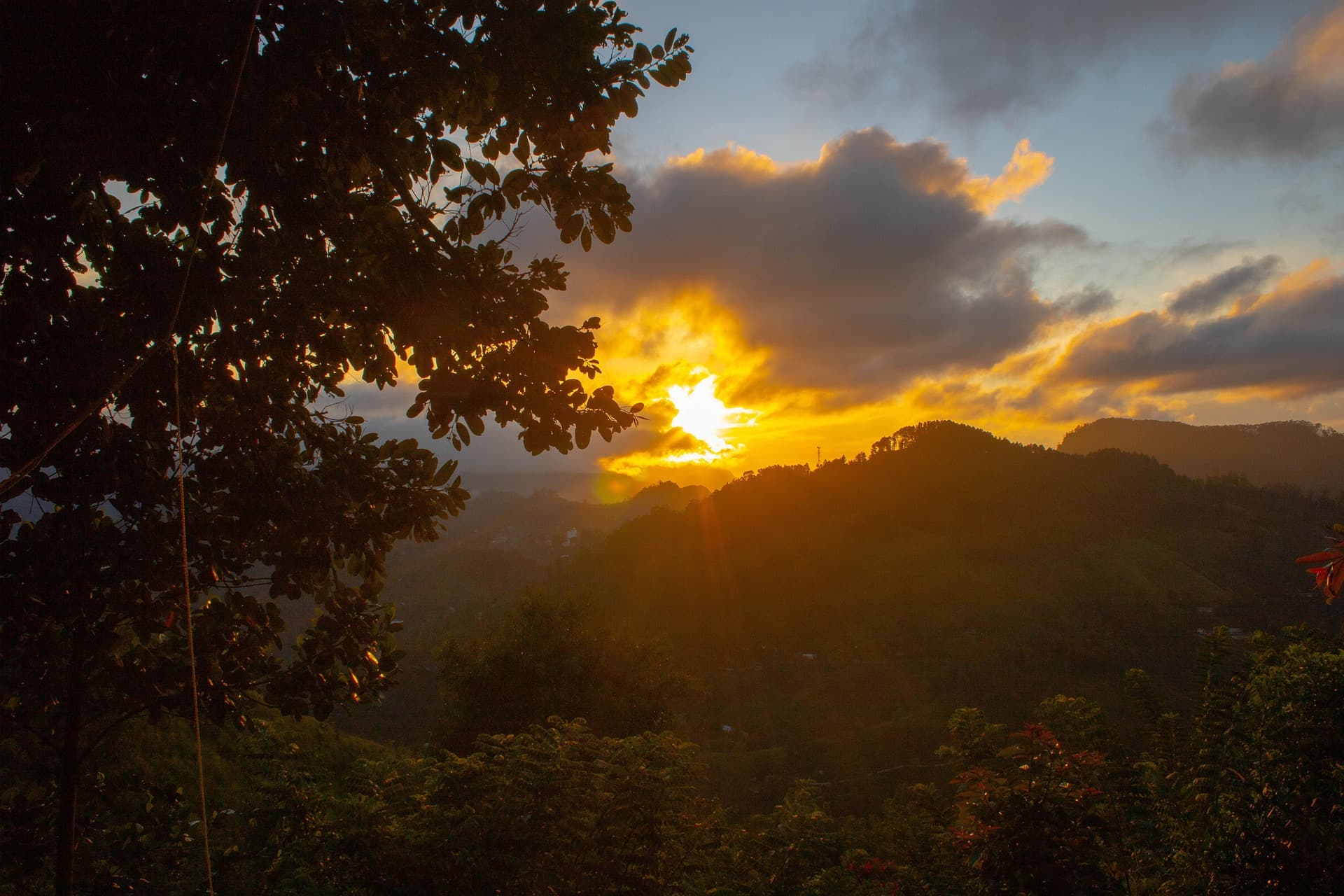
We’d begun at dawn from a little hamlet called Panwila – along the Hulu Ganga tracing the old palanquin paths used by Kandyan kings. These trails, now reclaimed by ferns and thick jungle, wind through cloud forests where leeches fall like black rain and the air smells of damp earth and possibility. At 6 a.m., as mist coiled through valleys like slow smoke, we passed barefoot pilgrims chanting karuna – compassion – into the dawn. Their devotion wasn’t separate from the adventure; it was its pulse.
By midday we’d descended into the Knuckles’ hidden valleys, where villages cling to slopes like lichen on stone. We had lunch at a local kade near the Lebanon Estate waterfall, an elder named Nimal served only vegetarian rice and curry from clay pots. His hands, mapped with decades of terraced farming, gestured toward the ridge we were heading towards. “The mountains don’t care about your fitness,” he said, smiling. “They care about your respect.” He spoke of yakku – forest spirits – and how cutting a single na tree without apology invites misfortune. Adventure tourism, he implied, becomes arrogance when it forgets it’s a guest.
After a swift light lunch, we entered the true wildness. No signposts. No safety rails. Just a path worn smooth by generations of travellers and elephant herds. The Knuckles reward attention: a flash of purple as a Ceylon junglefowl bursts from undergrowth; the sudden silence when a sambar deer freezes mid-step; the way sunlight fractures through hora trees to gild the forest floor in gold coins. We drank from springs where water tasted of granite and moss. We saw a cave once used by Veddah hunters, its walls still bearing faint ochre handprints – a 3,000-year-old signature on the landscape.
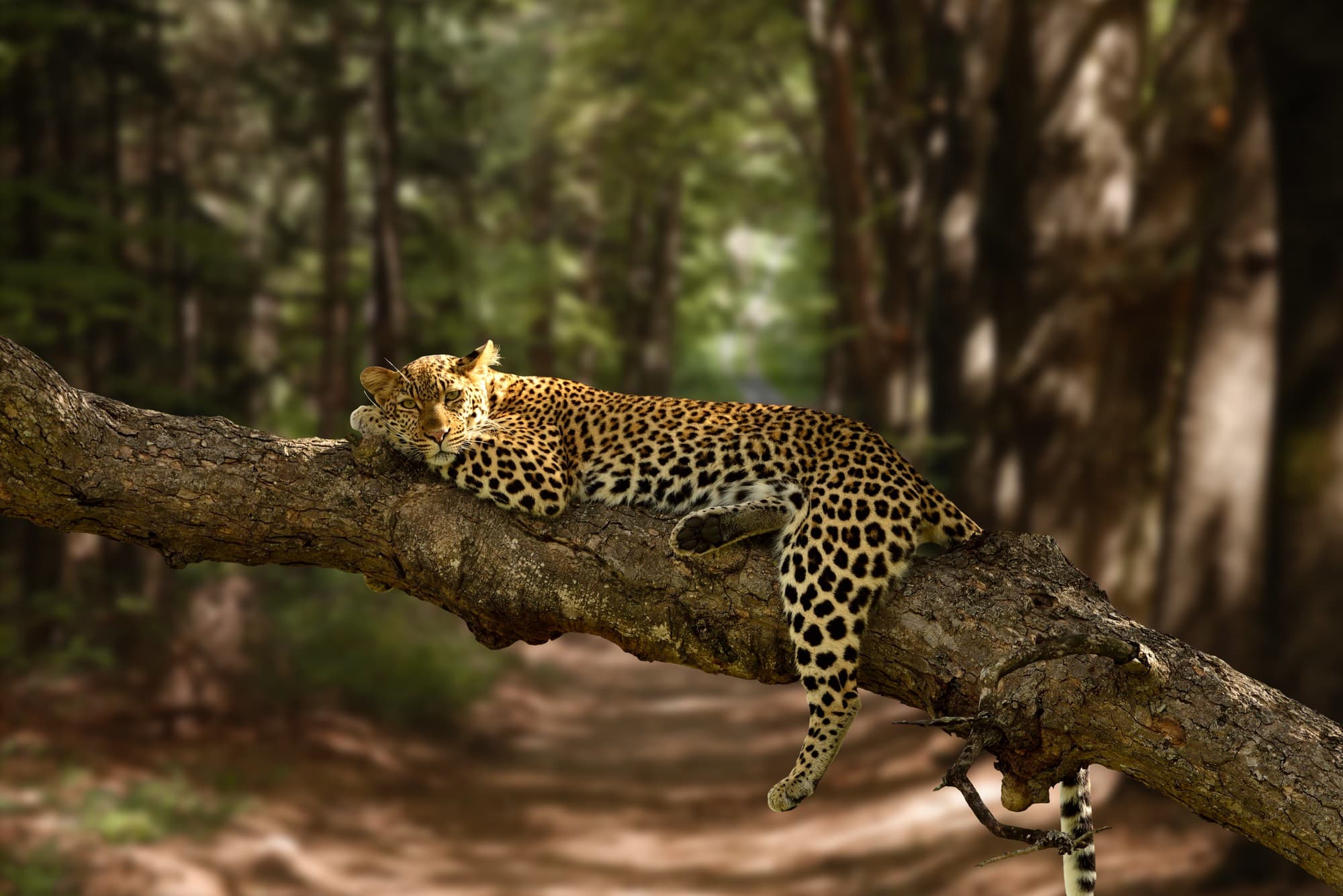
But Sri Lanka’s adventure soul isn’t confined to mountains. Last June, I found myself waist-deep in the Walawe River’s tributaries near Udawalawe, tracking elephants not by sight but by sound. A local tracker who was with us, a young man named Priya, taught me to distinguish the crack of a feeding branch from the deliberate snap of a warning. “Listen to the monkeys,” he whispered as langurs shrieked overhead. “They’re the forest’s alarm system.” When a bull elephant finally emerged from the riverine forest – not 20 metres away – there was no fear. Only awe. He regarded us with ancient calm, flapped his ears once like a slow fan, and melted back into green. This wasn’t a safari sighting; it was an audience granted.
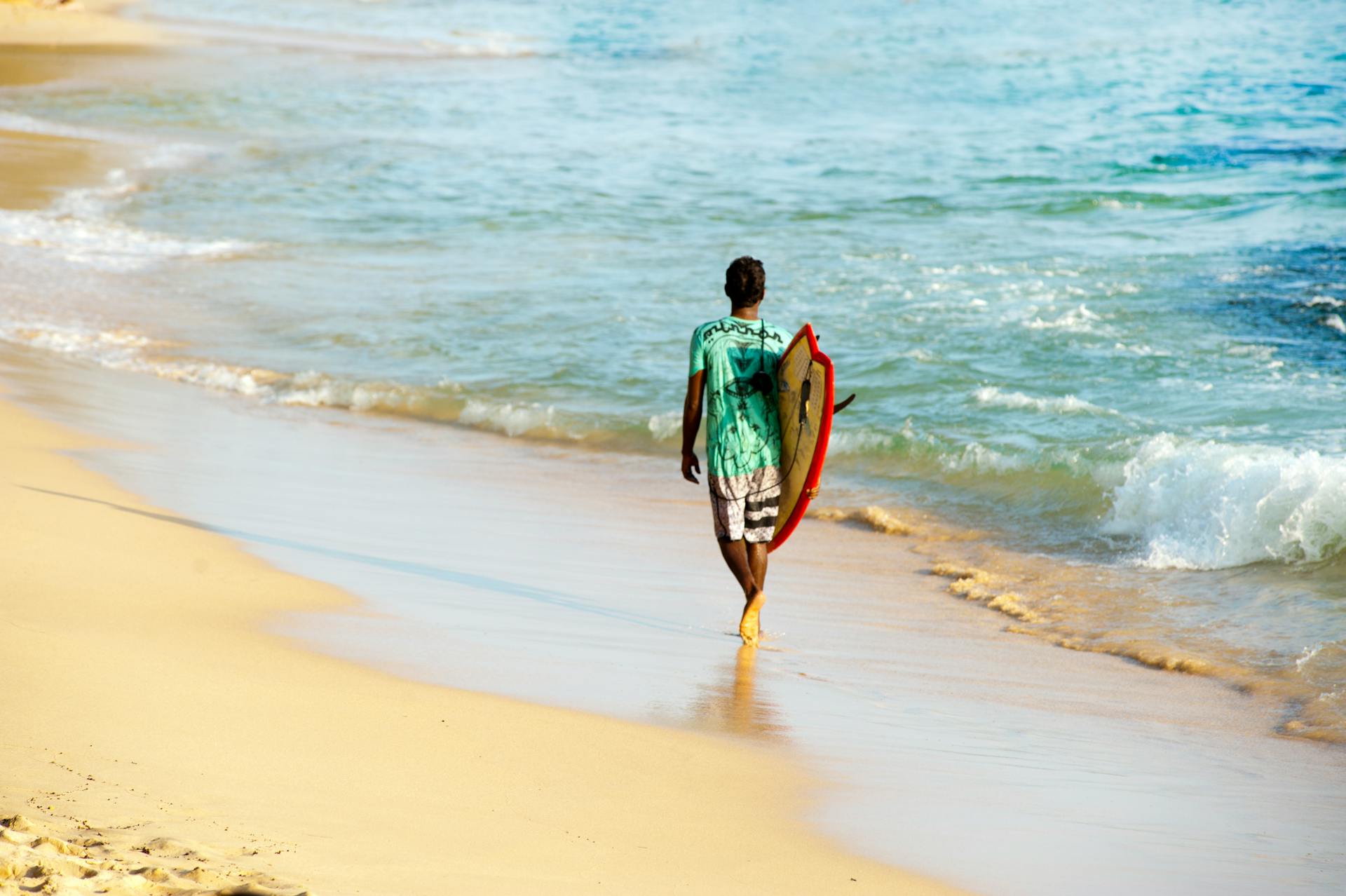
Even the coast offers wilder adventures beyond postcard beaches. Near Arugam Bay, I joined a pre-dawn paddle into the Pottuvil Lagoon – not for Instagram sunrises, but to witness kattumaran fishermen setting nets in the bioluminescent shallows. As our outrigger glided silently through water that sparked electric blue with every dip of the paddle, one fisherman, Sanjeewa, explained how monsoon swells reshape the lagoon’s mouth each year. “The ocean rewrites the map,” he said. “We learn the new script or we go hungry.” Later, surfing the left-hand peel of Peanut Farm break, I felt that same dialogue between force and flow – the wave not as opponent but as conversation partner.
What distinguishes Sri Lankan adventure is its refusal to separate thrill from meaning. You can’t trek the Knuckles without understanding watershed politics. You can’t track leopards in Yala’s Block V without confronting human-wildlife conflict. Even surfing here carries cultural weight: the kattumaram fishermen who taught colonial traders to ride waves now watch foreign surfers chase the breaks their ancestors named.
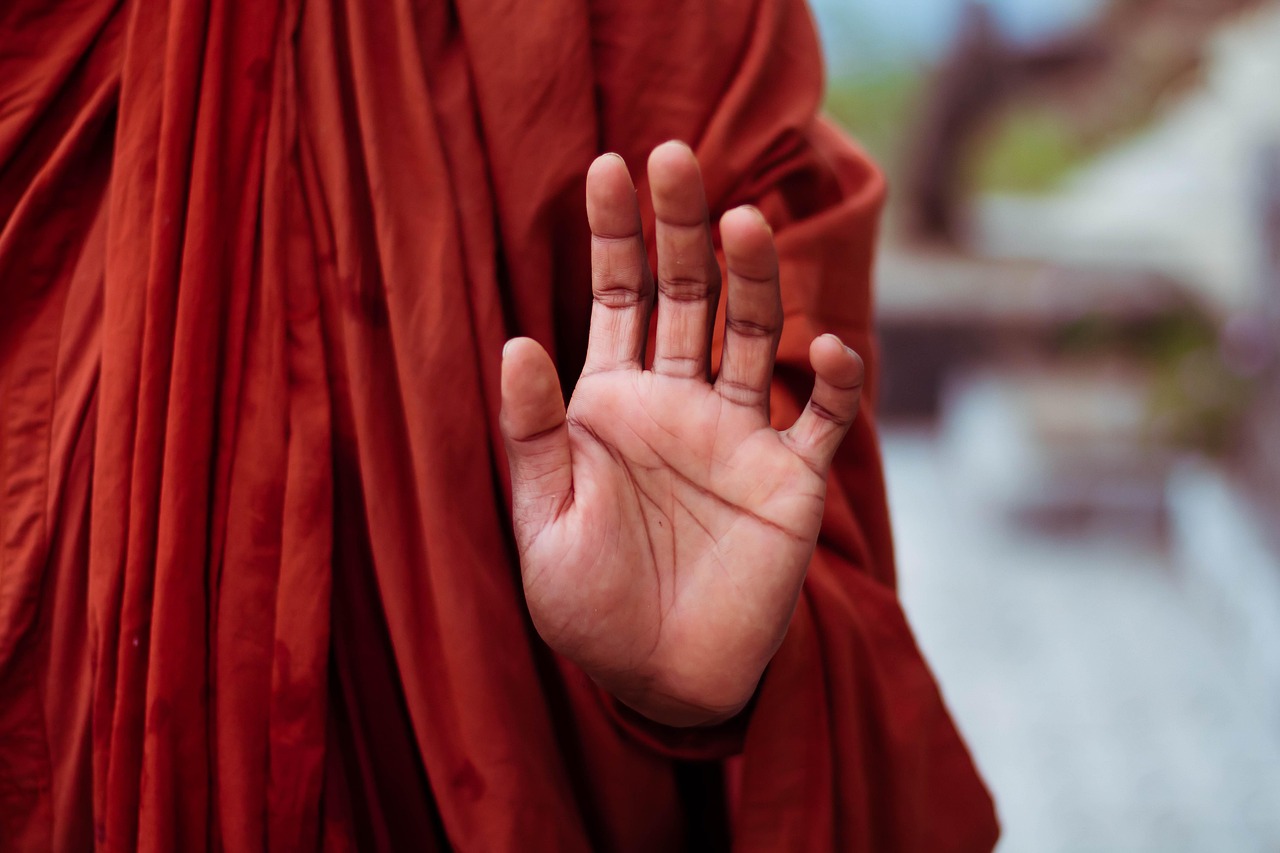
This depth transforms adrenaline into insight. On a Sunday morning, I hiked a forgotten path up Little Adam’s Peak near Ella – not for the view, but for the silence. Halfway up, I met an elderly monk collecting medicinal herbs. He didn’t speak much. We sat on a mossy rock and shared water from his flask. He pointed to a kohomba tree (neem), crushed a leaf between his fingers, and let me smell its bitter perfume – used for centuries to ward off fever. No transaction. No photo. Just a moment of shared presence in a breathing landscape.
Descending as mist cleared, I realised Sri Lanka’s greatest adventure isn’t found in heart-pounding moments alone. It’s in the spaces between: the shared meal with strangers, the silent understanding with wildlife, the humility of walking paths older than nations. This island doesn’t give up its wildness easily. It asks you to move slowly, listen deeply, and leave lighter than you arrived – not just in luggage, but in ego.
The rope bridge over the Mahaweli has taught me rhythm. The mountains teach respect. The river, patience. And the monk on the trail taught me that the most profound adventures aren’t measured in kilometres covered, but in connections made. Sri Lanka’s wild heart beats not for those seeking conquest, but for those willing to be changed.