Main Takeaways
- Weligama’s sandy-bottomed bay creates uniquely forgiving waves ideal for absolute beginners (waist-high, gentle rollers)
- Book certified surf schools affiliated with the Sri Lanka Surfing Association – avoid unlicensed operators prioritising volume over safety
- November-April offers most consistent beginner conditions; September-October provides uncrowded lineups and lower rates
- Prioritise locally owned accommodation to ensure tourism revenue benefits coastal communities directly
- Morning sessions (6–9 a.m.) deliver cleanest waves before afternoon winds create chop
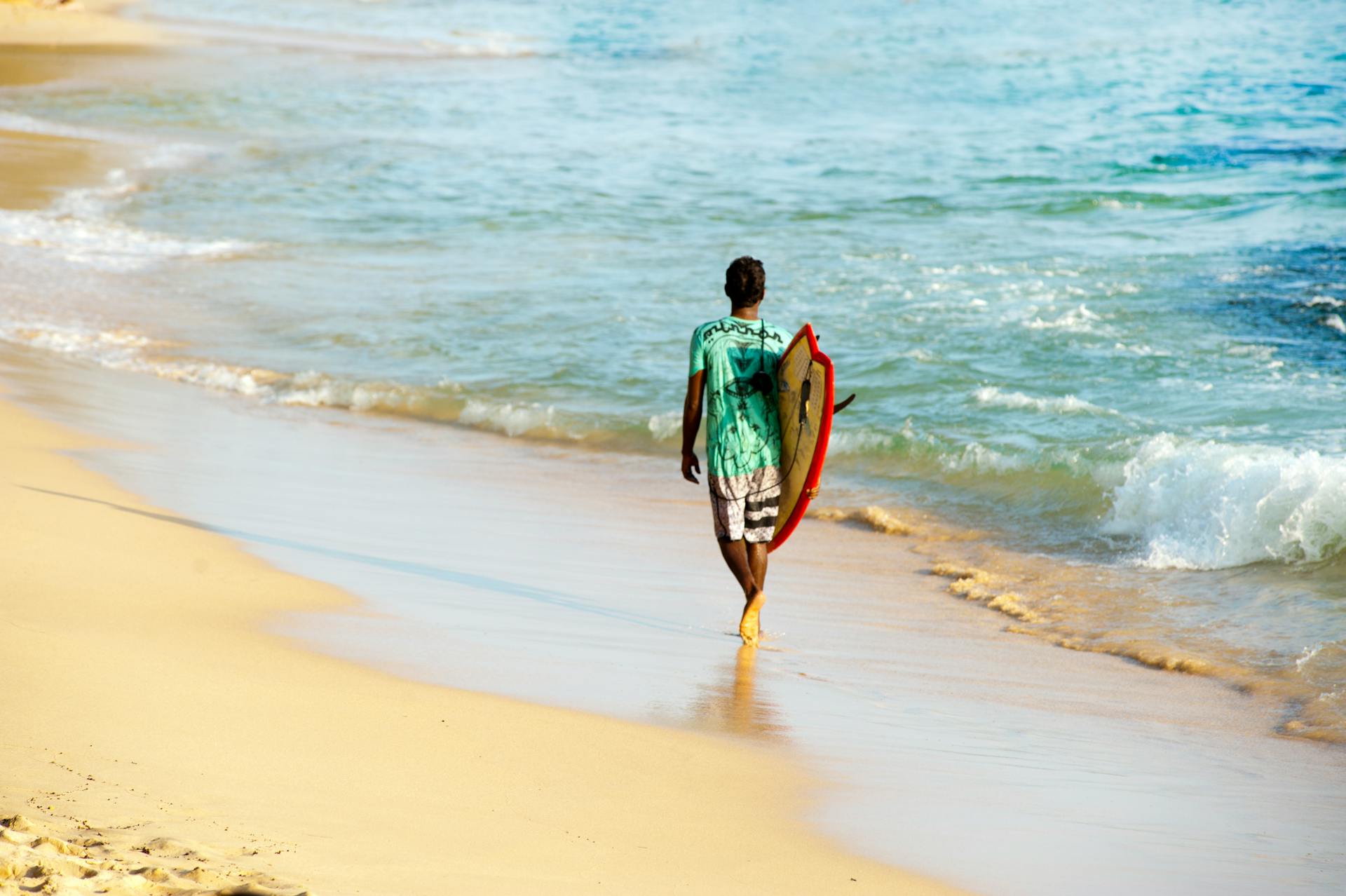
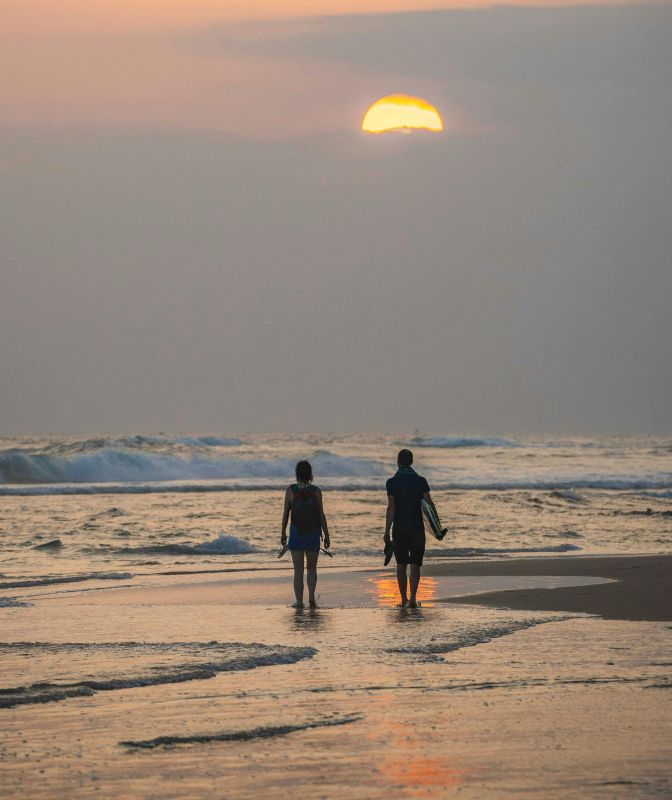
Let’s dispense with the fantasy first. That viral clip of you effortlessly carving down a glassy wall on your first attempt? Pure fiction. Real surfing in Weligama begins not with triumph, but with humility: saltwater up the nose, sand in places sand shouldn’t be, and the gentle, persistent push of the Indian Ocean reminding you who’s in charge. And that’s precisely why this crescent-shaped bay on Sri Lanka’s south coast remains the planet’s most forgiving classroom for wave-riding newbies. The magic isn’t in perfection – it’s in permission. Permission to wobble. To fall. To laugh when a wave deposits you unceremoniously onto the sandy bottom. Here, the ocean doesn’t judge; it teaches.
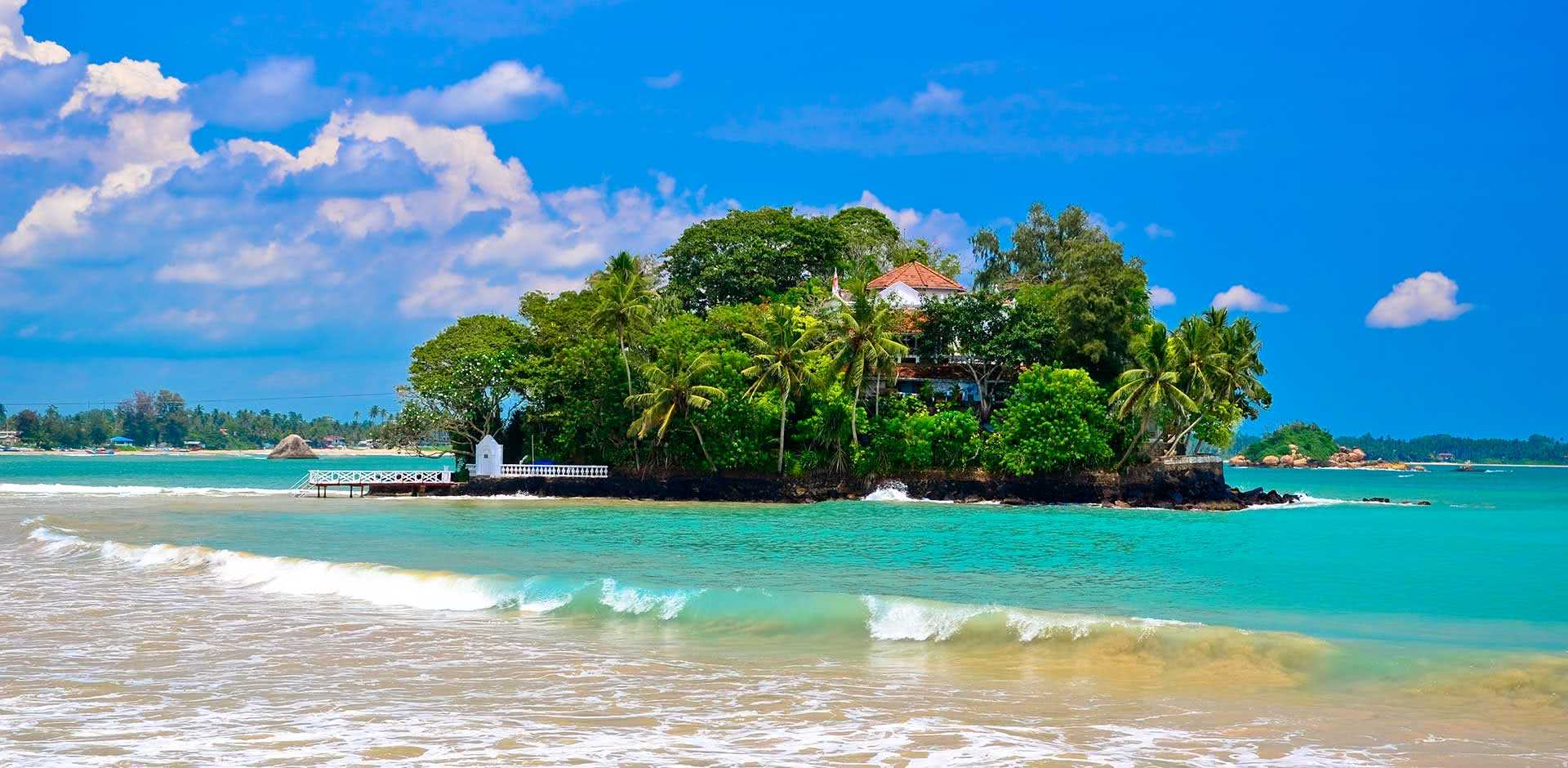
Weligama’s geography is its greatest gift. The bay’s natural curve – Weligama means “sandy village” in Sinhala – creates a sheltered bowl where swells wrap gently around Taprobane Island, peeling into forgiving, waist-high rollers ideal for pop-up practice. Unlike the reef breaks of nearby Mirissa or the power of Arugam Bay, Weligama’s sandy bottom means wipeouts hurt about as much as a firm hug. From November to April, consistent 2-4 foot waves roll in with metronomic reliability. Even during the shoulder months (May–October), the bay often holds smaller, playful sets when other coasts go flat. This isn’t about chasing barrels; it’s about building muscle memory while pelicans glide past your shoulder and stilt fishermen cast shadows against the morning light.
But 2026 demands a more conscious approach to surf tourism. The days of cowboy instructors charging €20 per head for a chaotic group lesson are fading – and rightly so. Seek out schools certified by the Sri Lanka Tourism Authority or Surfing Association: Weligama Surf Camp (run by former national champ Nishantha Silva), Bay Surf Weligama, and Sri Lankan Surf Tours all prioritise safety briefings, proper board sizing, and ocean awareness over quick cash. A proper beginner lesson (€35–45 for 2 hours) includes: understanding rip currents, reading wave sets, and the sacred art of not dropping in on others. Your instructor should be local – not a transient expat chasing endless summer. These men and women grew up reading these waves like scripture; their knowledge is your safety net.
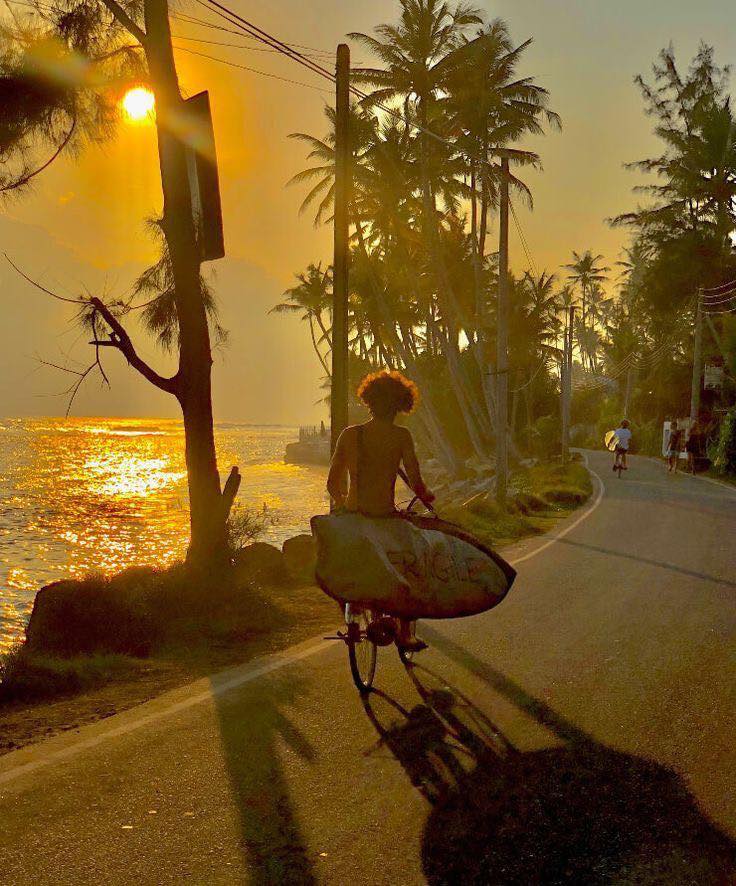
Beyond the lineup, Weligama’s soul reveals itself slowly. At dawn, before the first lesson group arrives, walk to the southern headland where stilt fishermen still practice their vanishing craft – not for tourist photos, but to feed families. Share a kottu roti with your instructor at a beachside kade where the curry powder is roasted daily. Cycle inland to the 12th-century Kushta Raja Gala Buddha statue carved into living rock, then cool off at secret freshwater pools locals call diya dura. Surfing here isn’t a standalone activity; it’s a gateway to understanding coastal life. The best days end not with Instagram uploads, but with sore shoulders, salt-caked hair, and the quiet pride of having danced with the ocean on its terms.
Where you rest your tired limbs matters as much as where you catch waves. For 2026, I’ve curated stays that balance comfort with conscience:
For mindful minimalists: The Sandhya – a nine-room eco-retreat tucked behind the main beach road, built with reclaimed timber and powered by solar. Owner Anoja sources breakfast ingredients from her family’s farm 20km inland. Rooftop yoga at sunset, zero plastic policy, and staff who remember your coffee order by day two. (From £65/night)
For surf-and-stay simplicity: Cinnamon House – not the chain, but a family-run guesthouse where Uncle Sarath has been renting boards since 1998. Basic rooms, hot water that works, and a backyard where local kids teach you carrom between sessions. The real perk? Sarath’s uncanny ability to read the swell and tell you exactly when the sets will clean up. (From £28/night)
For design-conscious travellers: Taru Villas – a boutique hideaway perched on a coconut grove ridge with infinity pools overlooking the bay. Not cheap (£140+), but their community fund supports the Weligama Surf Club’s youth programme. Worth it for the open-air shower under a frangipani tree after a long day in the salt.
Avoid: Any “surf camps” along the main drag with neon signs and promises of “guaranteed stand-up in one hour.” Surfing doesn’t work that way – and neither does dignity.
A note on seasons: While November-April delivers textbook conditions, consider visiting in September or October. The crowds thin, accommodation rates drop 30%, and the ocean often gifts playful two-footers under empty lineups. You’ll share waves with three locals instead of thirty tourists – a different kind of luxury.
Ethical engagement remains non-negotiable. Never photograph stilt fishermen without permission (many now charge for posed shots – a complex reality of survival tourism). Tip your instructor directly – cash in rupees, not vague promises of “good review.” And for heaven’s sake, don’t stand on the reef at low tide to get that “surfer on coral” shot. The ecosystem that creates these waves deserves reverence, not recklessness.
Leaving Weligama after a week of dawn patrols, my body hummed with a deep, saltwater fatigue. I’d caught maybe twenty proper waves – not the hundreds I’d naively imagined. But I’d also learned to read the ocean’s mood, to respect its power, and to find joy in the attempt rather than the outcome. On my last evening, a fourteen-year-old local girl named Nadeesha paddled out beside me. We chatted in Sinhala while waiting – watching sets roll in. When a gentle wave approached, she pointed, grinned, and gave me a thumbs-up. I caught it. She cheered. Priceless.
That’s Weligama’s real gift – not perfect waves, but perfect moments of connection. Between human and ocean. Between traveller and local. Between who you were when you arrived, and who you become after seven days of humble practice. The waves will always be here. Come not to conquer them, but to converse. And when you finally stand – even for two seconds – you’ll understand: surfing isn’t about the ride. It’s about the return.
More Takeaways
- Always receive safety briefing covering rip currents, right of way, and reef awareness – even in sandy-bottom breaks
- Respect stilt fishermen as working professionals – ask permission before photographing, understand many now charge for posed shots
- Pack reef-safe sunscreen, rash guard for sun protection, and reusable water bottle (single-use plastic banned on many beaches)
- Surfing success here is measured in small victories – celebrate the pop-up, not just the ride
- Support businesses contributing to local initiatives like the Weligama Surf Club’s youth programme
- Avoid overcrowded “surf camp” rows on main beach road; seek family-run guesthouses with authentic local knowledge
- The true value lies not in wave count, but in mindful immersion within coastal rhythms and community