Main Takeaways
- Discover a hidden natural gem close to Colombo, perfect for a day trip without the crowds, with deep ecological significance.
- Learn how ethical birdwatching directly supports wetland conservation and community-led initiatives in Sri Lanka.
- Experience Sri Lanka’s biodiversity beyond the usual tourist spots through mindful observation and local expertise.
- Understand the critical role of urban wetlands in climate resilience and sustainable urban planning.
Dawn breaks over Muthurajawela Marsh like a slow exhale. The air is cool and damp, thick with the scent of wet earth and blooming water lilies. As the mist lifts, the marsh reveals itself – a mosaic of waterways, reeds, and mudflats stretching toward Colombo’s skyline. This isn’t the Sri Lanka of postcards; it’s a place where nature thrives quietly, just 15 minutes from the city’s chaos.
I met Ravi, a local guide, at the marsh’s entrance. He wore a faded khaki shirt and carried a well-worn field guide. “Most tourists come for the elephants,” he said, adjusting his binoculars. “But this place is about the small things.” As we glided through the waterways in a traditional kattumaran – a small wooden canoe – he pointed to a spot-billed pelican preening on a mudflat. “They’ve been here for centuries,” he whispered. “But only recently did we realise how much they need us.”
Muthurajawela, Sri Lanka’s largest urban wetland, spans 425 hectares between Colombo and Negombo. It’s a sanctuary for over 100 bird species, including migratory visitors from Siberia, Australia, and the Himalayas. Yet unlike Yala or Bundala, it’s rarely crowded. Here, the experience isn’t about ticking off species on a checklist – it’s about listening.
Ravi explained how the marsh functions as Colombo’s “kidney,” filtering pollutants and preventing floods. “Without this wetland, the city would drown every monsoon,” he said. “But it’s also a home for creatures most people never see.” As we drifted past a cluster of mangroves, a purple heron stepped delicately across the water, its long legs trailing like threads. “That bird has been here since before Colombo was built,” Ravi added. “It’s seen everything.”
What makes Muthurajawela special isn’t just its biodiversity – it’s how tourism here supports the community. The Muthurajawela Wetland Conservation Society, founded by local residents, manages the area through eco-tours. Revenue funds mangrove reforestation, anti-poaching patrols, and school scholarships for children in nearby villages. “Tourism isn’t just about seeing birds,” Ravi said. “It’s about protecting the whole system.”
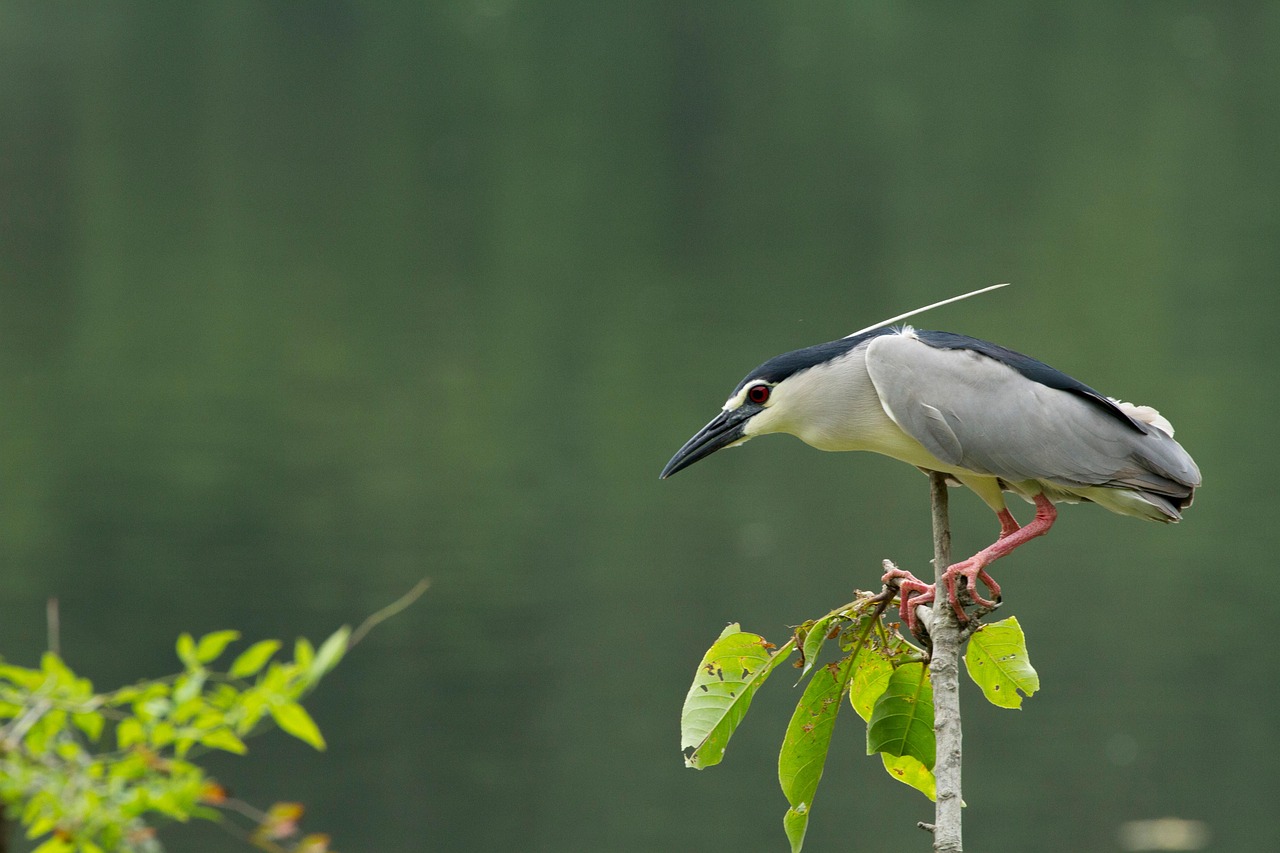
Ethical practices are non-negotiable here. No loudspeakers, no chasing animals for photos – just quiet observation. Ravi taught me to spot the difference between a resident purple heron and a migratory black-winged stilt by their posture. “The stilt stands taller,” he whispered, “because it’s still adjusting to the climate.” We saw a rare black-crowned night heron nesting in the reeds, its chicks hidden from view. “This is why we stay on the path,” Ravi said, “to avoid disturbing them.”
As the sun rose higher, the marsh came alive. A flock of painted storks flew overhead, their wings slicing the air like scissors. Nearby, a fisherman cast his net, his movements slow and deliberate. “We’ve lived with this wetland for generations,” he said. “It’s not just water – it’s our life.”
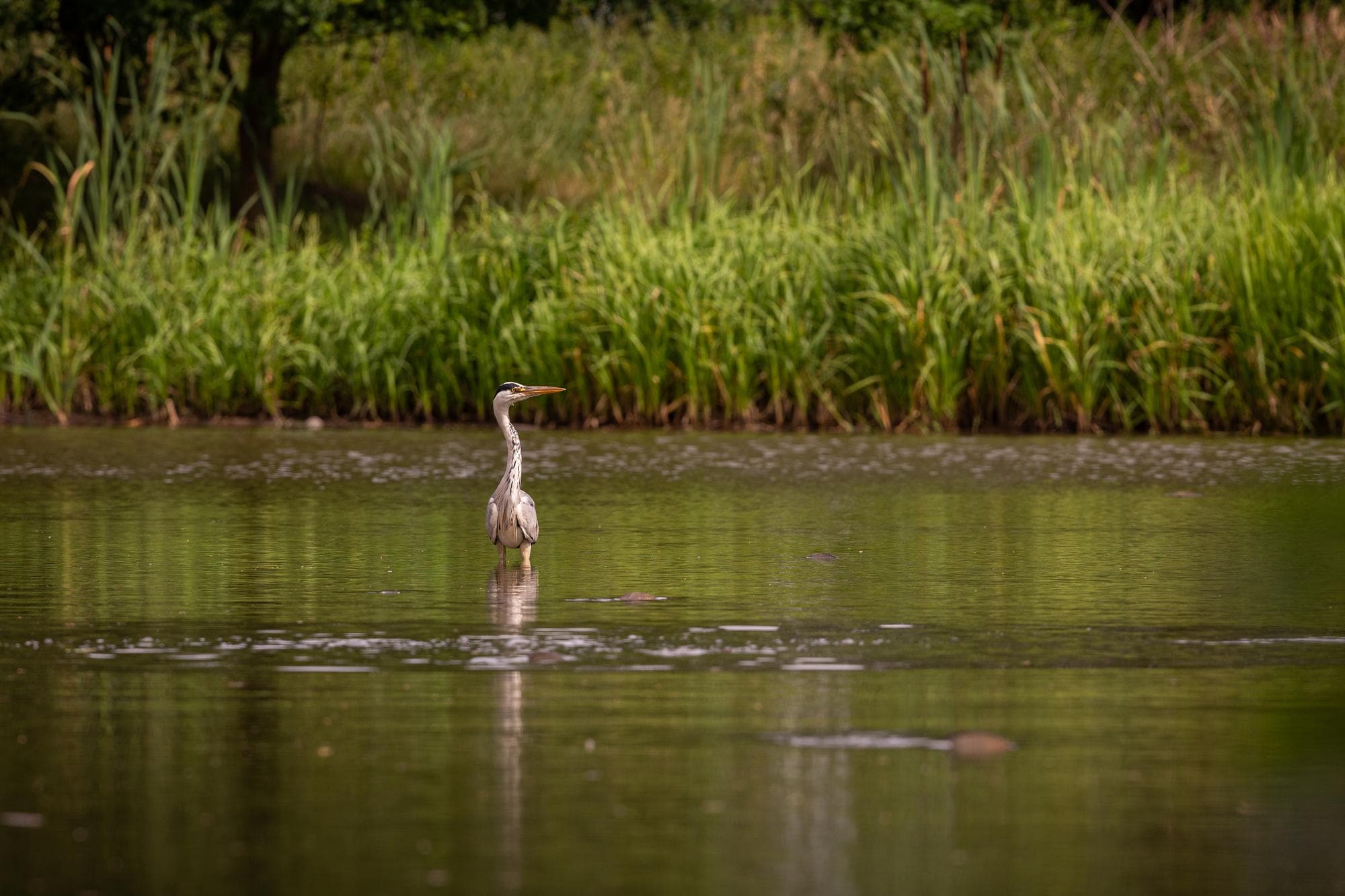
The conservation society’s work is changing lives. I met a young guide trained by the society. “I used to work in a garment factory,” she said, shily. “Now I show people the beauty of this place. It’s not just a job to me – it’s a responsibility and I love it.” Her eyes lit up as she pointed to a pair of grey herons wading through the shallows. “See how they move? Like dancers.”
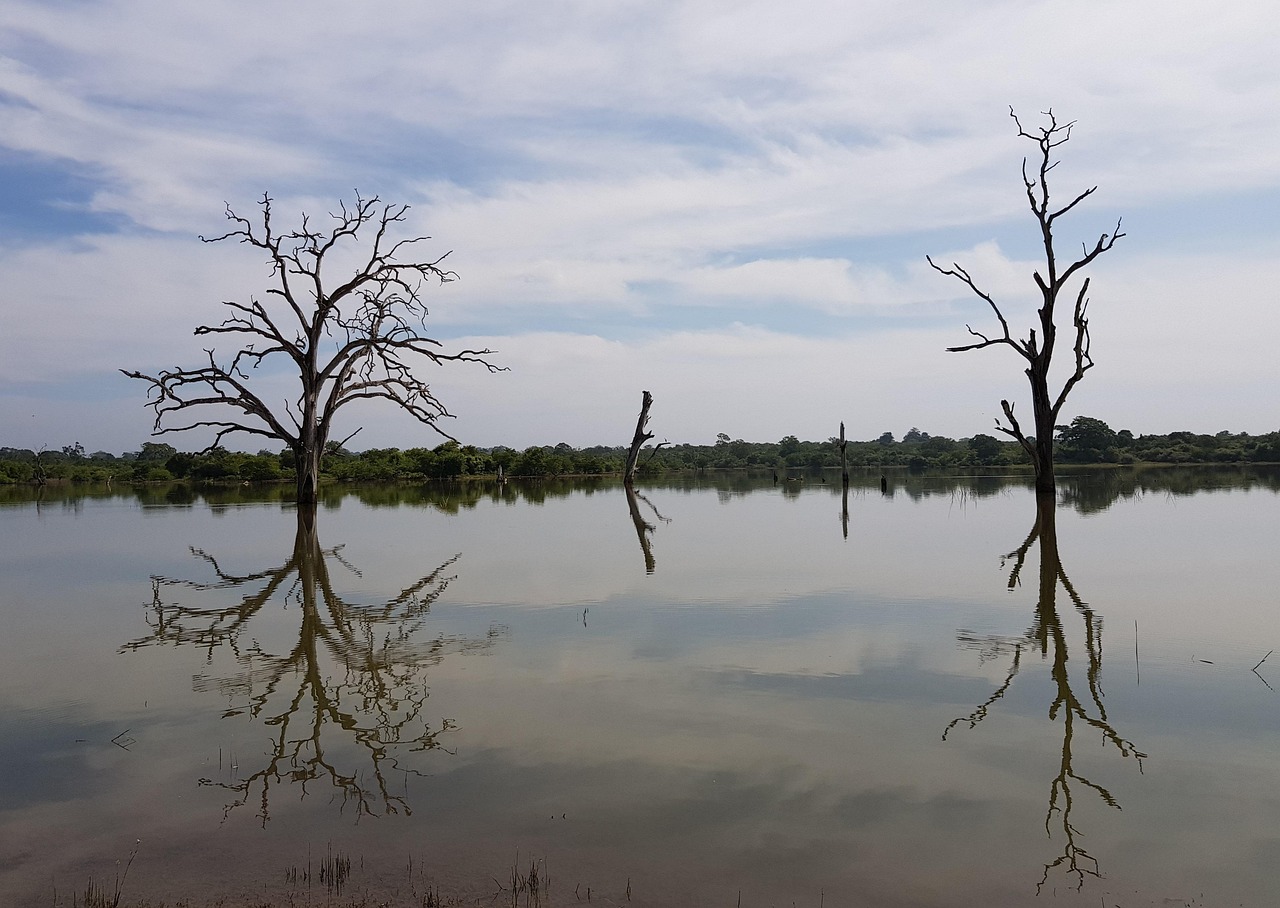
What struck me most was the marsh’s role as a bridge between urban and wild. Colombo’s skyscrapers loom in the distance, but here, the rhythm of nature dominates. During the monsoon season, the marsh swells to three times its size, absorbing excess rainwater and protecting the city from flooding. “It is climate action in action,” Ravi said. “We’re not just watching the world change – we’re helping to shape it.”
As we drifted toward the marsh’s edge, Ravi shared a story about a rare sighting: a white-bellied sea eagle, last seen in the area 15 years ago. “It returned last December,” he said. “That’s hope.” For him, the marsh isn’t just a habitat – it’s a symbol of resilience. “If we can protect this,” he said, “we can protect everything.”
Leaving, I realised this wasn’t just a birdwatching trip. It was a lesson in humility. In a world where tourism often exploits nature, Muthurajawela shows how it can heal it. The wetland’s survival depends on us – not as spectators, but as partners.